
Understanding 3-Phase Motors
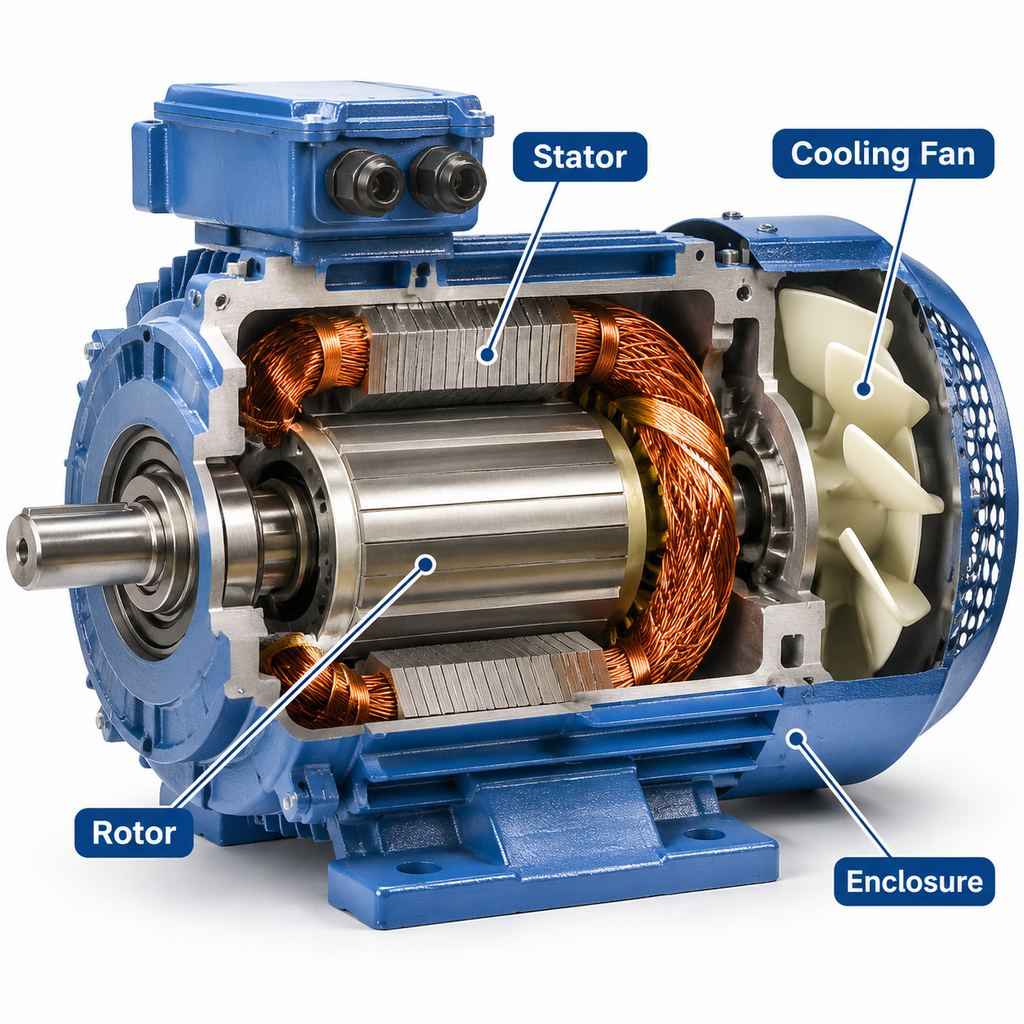
Three-phase motors are a cornerstone of modern industry, known for their efficiency and reliability in powering a wide array of heavy-duty applications. Unlike single-phase motors, three-phase induction motors use three alternating currents that are phase-shifted by 120 degrees from each other. This setup generates a rotating magnetic field in the stator, which creates a consistent and efficient torque for driving industrial equipment such as conveyors, pumps, fans, and compressors.
The compact design, high energy efficiency, and robust performance of three-phase motors make them a preferred choice for industries like manufacturing, HVAC, mining, and agriculture. Their reliability over prolonged periods of operation aligns well with continuous duty (S1) applications. These motors are also available in different efficiency classes, such as IE2, IE3, and IE4, which comply with international energy-efficiency standards. For businesses looking to improve operational efficiency and lower costs, upgrading to high-efficiency models like YE3 series motors or Y2 series motors can offer significant benefits.
Given their central role in power-intensive settings, understanding “how to test a 3 phase motor” is critical to ensure seamless functionality, minimize downtime, and maintain operational safety. Testing methodologies include checking winding continuity, measuring resistance balance between U-V-W phases, and assessing insulation integrity with tools such as multimeters and meggers. These techniques are essential for preventing potential motor failures and optimizing equipment lifespan.
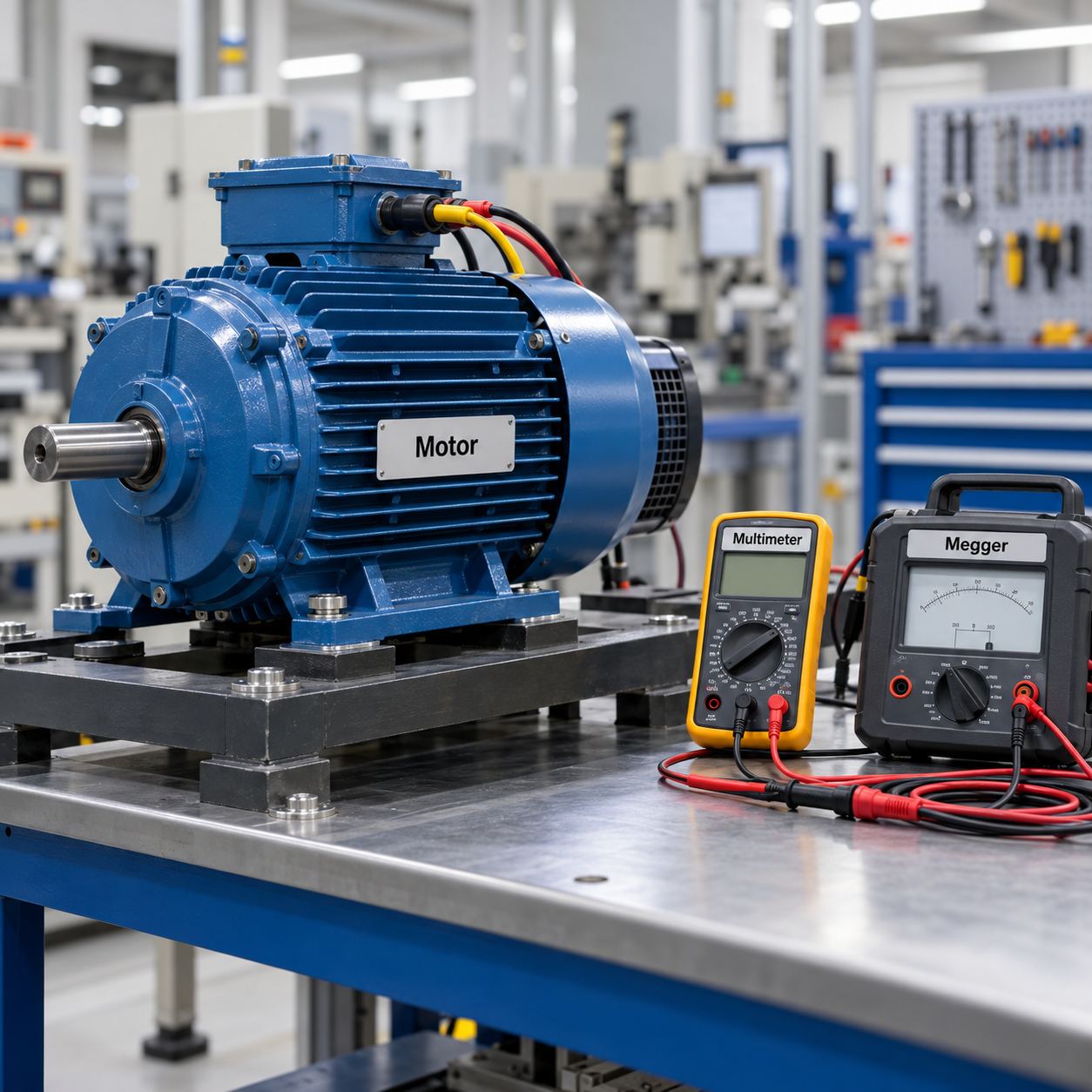
Steps to Test a 3-Phase Motor
- Set your multimeter to the continuity testing mode. This is a preliminary and essential step to check for broken or shorted connections within the motor windings. Take one probe and connect it to the U phase terminal, and the other probe to the V phase terminal. A beep or a reading on the meter indicates continuity, confirming the windings are in good condition. Repeat the same process for U-W and V-W connections to ensure proper phase continuity across the motor.
- Switch your multimeter to resistance mode and measure the resistance balance between U-V, V-W, and W-U windings. Note down the readings and compare them; the values should be similar. Unequal resistance could indicate winding issues, such as partially shorted windings or poor connections.
- Test the insulation of the motor windings using a megger or insulation resistance tester. Disconnect the motor from the power supply and attach one lead of the megger to the motor’s grounding terminal and the other lead to each individual phase terminal (U, V, and W) one at a time. A healthy motor typically has insulation resistance readings above 1 MΩ; lower readings can indicate insulation degradation or moisture ingress.
- Confirm the absence of continuity between phases using your multimeter. For three-phase motors, the U, V, and W windings should not have continuity between each other under normal conditions, except indirectly through electrical load sharing when energized. If continuity is detected directly, it could indicate a short circuit, requiring immediate attention.
- Perform a final ground testing step using both the multimeter and the megger to validate insulation health. Place one probe on the grounding terminal and measure the resistance to the U, V, and W terminals separately with both tools. A properly operating motor should show high resistance values, typically across the megohm range, ensuring no electrical leakage to ground.
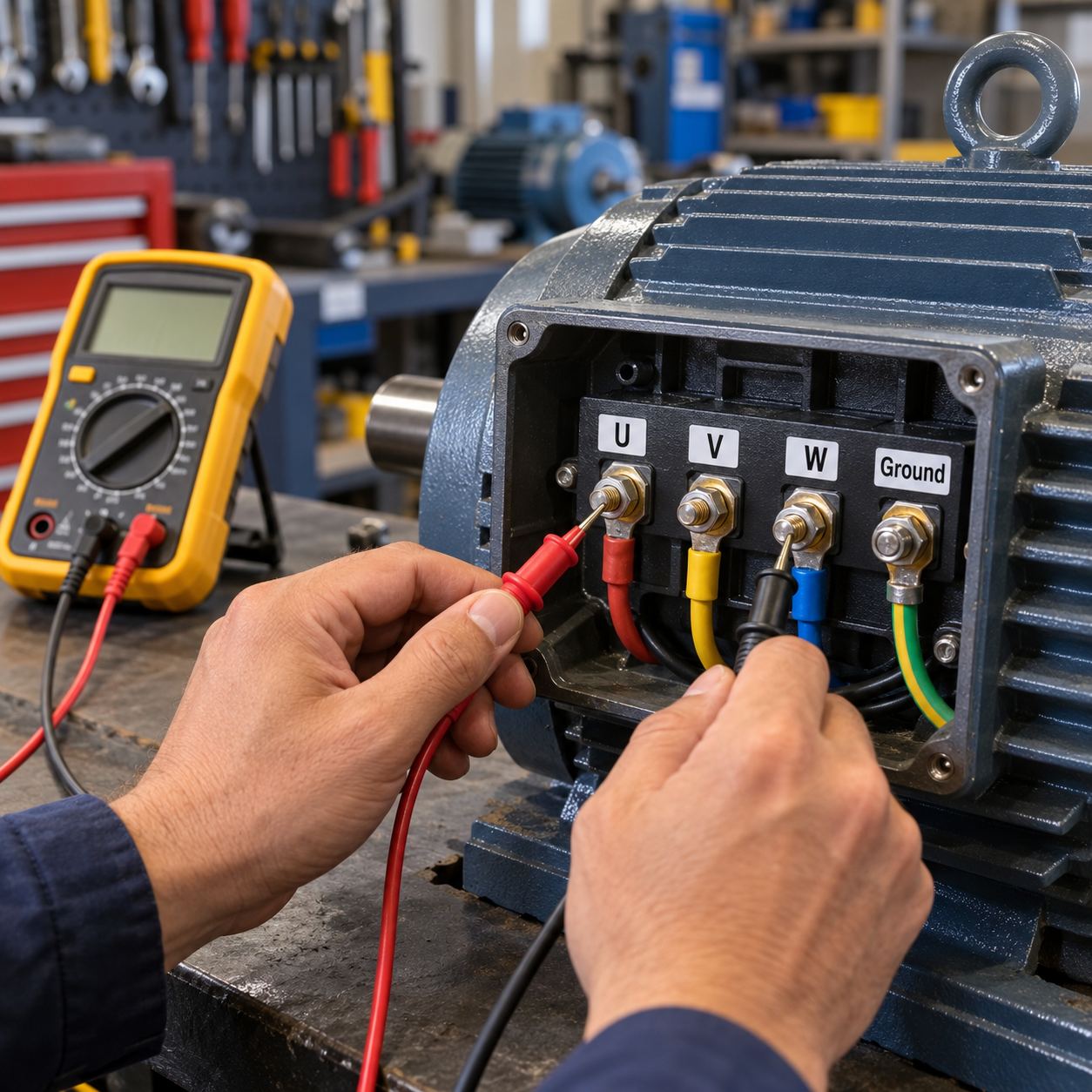
An engineer testing a three-phase motor with a multimeter
Frequently Asked Questions about Testing 3-Phase Motors
How can I check the windings of a 3-phase motor using a multimeter?
Set your multimeter to resistance mode and measure the connections between each pair of terminals (U-V, V-W, and W-U). The readings should be similar for all pairs. If there are significant differences, it may indicate a fault such as shorted or damaged windings.
Should a 3-phase motor have continuity between phases?
Yes. Continuity between the U, V, and W terminals is essential in a functional 3-phase motor. If continuity is absent between any pair, the winding may be open or defective, requiring repair or replacement.
How do you test a 3-phase motor with a megger?
Using a megger involves checking the motor’s insulation resistance. Disconnect the motor from its power supply and connect one lead of the megger to the motor casing for grounding and the other lead to each terminal (U, V, and W) sequentially. Ensure the megger shows high resistance, typically above one megohm, to confirm sound insulation.
What should I do if the winding resistance readings are unbalanced?
Unbalanced readings often point to winding issues, such as partial shorts or loose connections. Inspect and verify the motor’s internal windings for visible damage. If troubleshooting reveals severe issues, consult with a professional or consider replacing the motor entirely.
Key Testing Terms and Tools
- Continuity Testing: This ensures there are no broken or shorted connections in the motor windings. A digital multimeter set to continuity mode can confirm whether the windings form closed electrical paths between the U-V, V-W, and W-U phase terminals.
- Resistance Measurement: A multimeter set to measure resistance (ohms) helps verify the balance between U-V, V-W, and W-U windings. Readings should be closely aligned, as significant variations could indicate winding faults.
- Insulation Resistance Testing: A megger or insulation resistance tester is used to measure the insulation integrity of the windings. Healthy motors typically display resistance above 1 MΩ, indicating proper insulation and protection against moisture or electrical faults.
- No Continuity to Ground: A 3-phase motor should not exhibit electrical continuity between any phase (U, V, or W) and the ground terminal. Such continuity is a symptom of insulation breakdown, possibly caused by wear or exposure to contaminants.
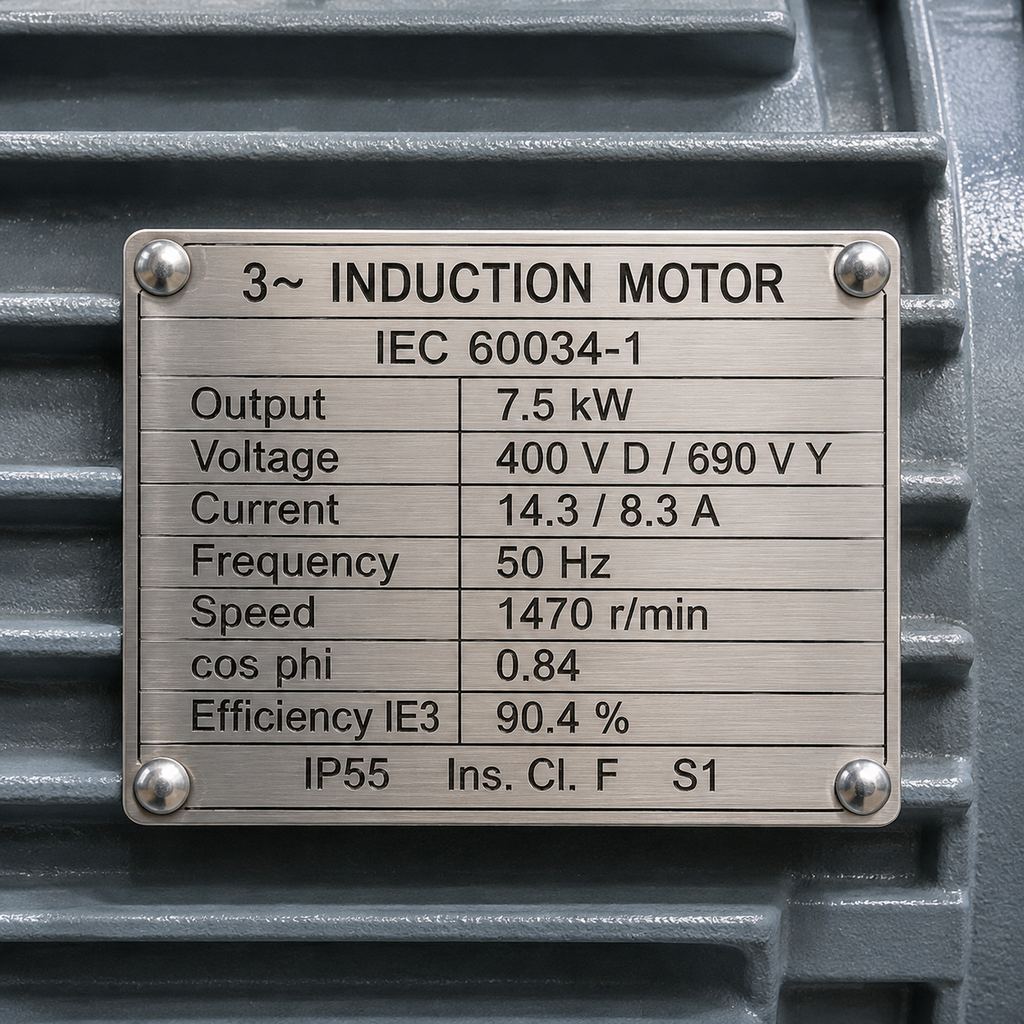
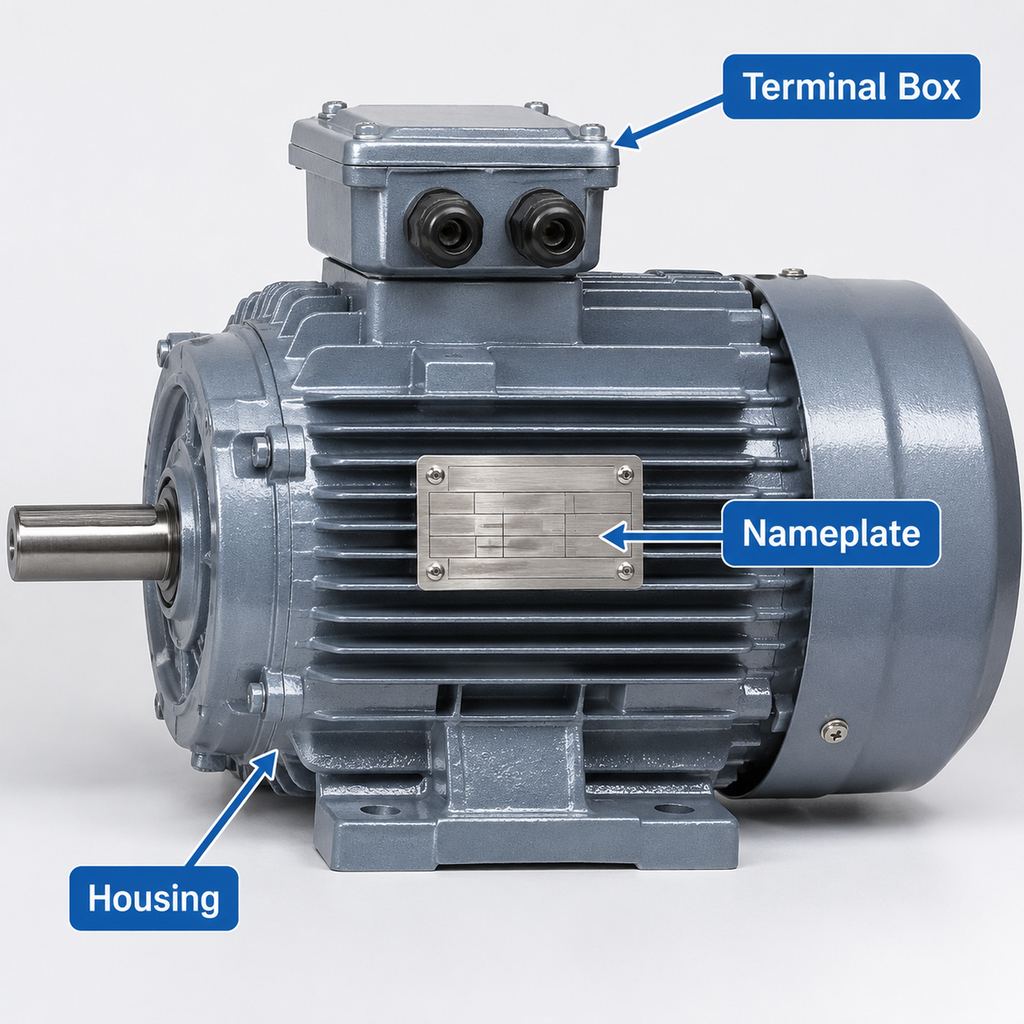
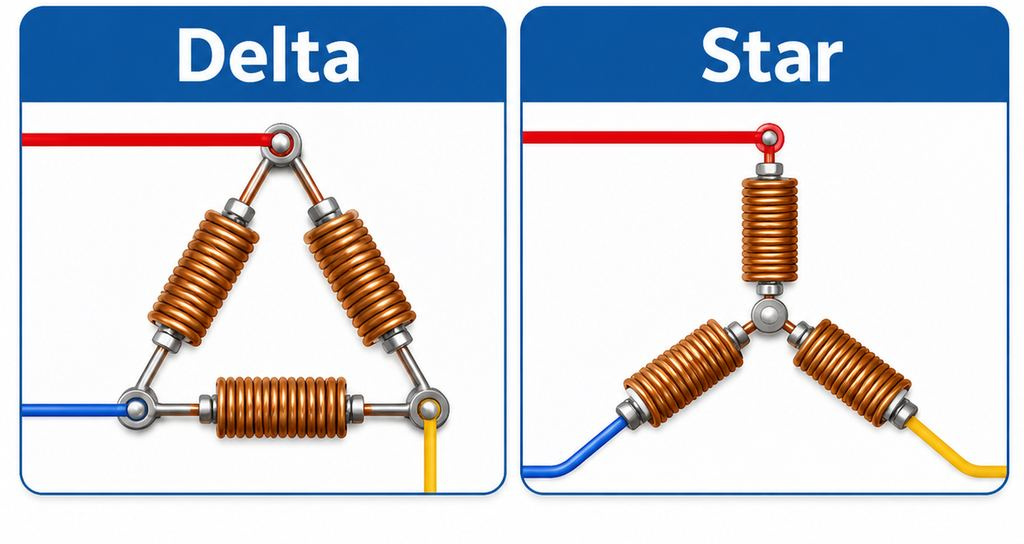
- Motor Nameplate Data: The nameplate contains vital details like voltage rating, frequency, and wiring configuration. It provides guidance for proper testing and confirms compatibility with the testing tools.
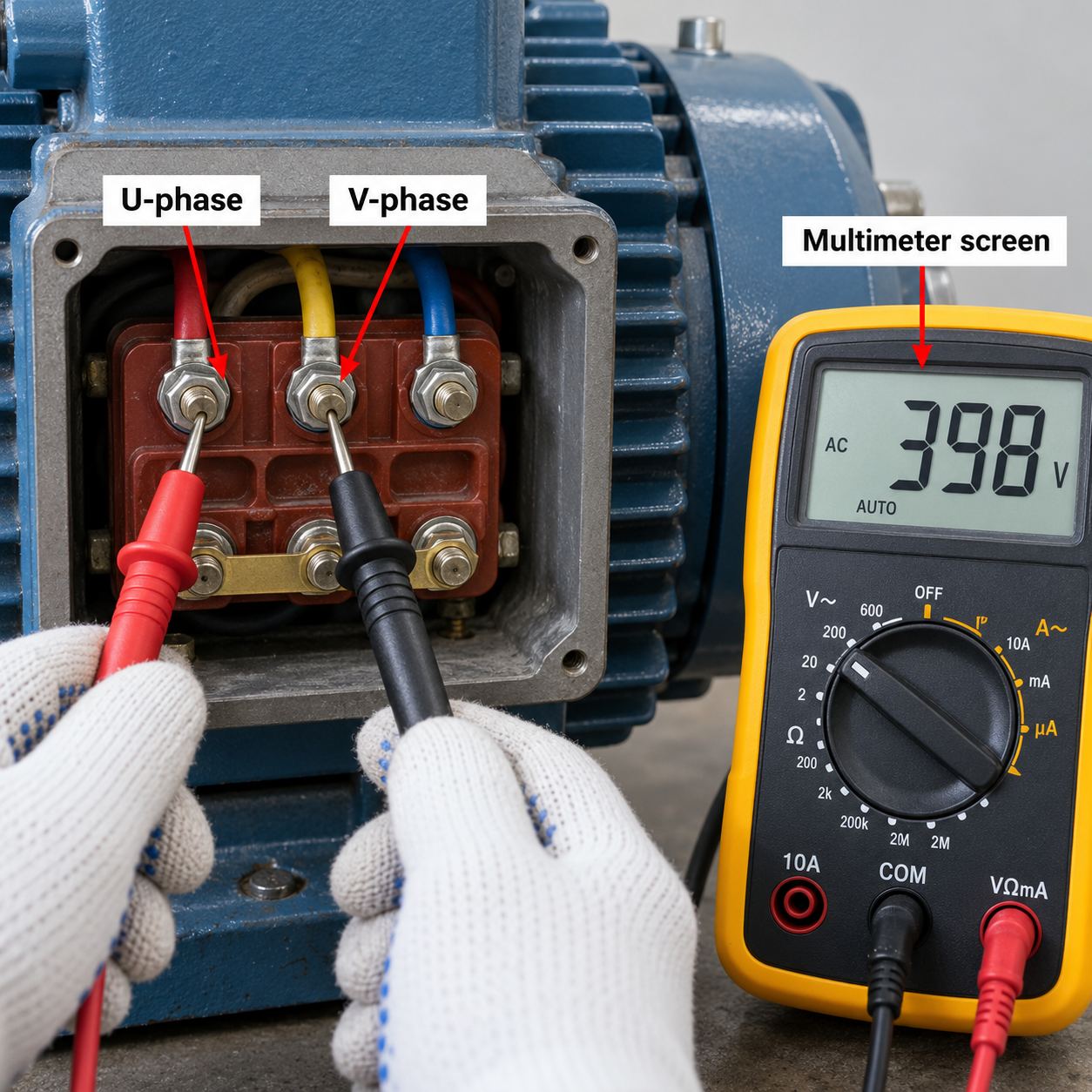
Close-up of a multimeter connected to a 3-phase motor showing results
Safety Precautions for Testing 3-Phase Motors
When conducting testing procedures on a 3-phase motor, safety must be your top priority to prevent accidents and ensure the reliability of both the equipment and personnel. This section outlines essential precautions to follow:
-
Disconnect Power Before Testing: Always ensure the motor is completely disconnected from the power source. Verify this by testing the terminals using a multimeter set to voltage mode. Residual electricity can lead to severe shocks or damage equipment.
-
Use Insulated Tools: Ensure that all tools, including multimeters and insulation testers, are properly insulated to prevent accidental electrical shock.
-
Wear Appropriate PPE: Personal protective equipment—such as safety gloves, goggles, and insulated boots—is crucial when working with electrical equipment.
-
Beware of Rotating Parts: If the motor was in operation recently, give it adequate time to come to a complete stop. Avoid contact with moving parts to reduce the risk of injury.
-
Check for Signs of Damage: Visually inspect the motor for signs of wear, corrosion, or broken components before testing. A damaged motor can behave unpredictably during testing.
-
Understand Insulation Resistance Testing Hazards: When using an insulation resistance tester (commonly known as a megger), keep in mind that high voltage is temporarily applied during testing. Ensure that no other testers or equipment are connected to the motor and that you are working in a dry environment.
Adhering to these precautions is foundational when learning how to test a 3-phase motor. For details on insulation properties and testing standards, refer to this guide.


2 thoughts on “How to Test a 3-Phase Motor: Procedure and Tips”