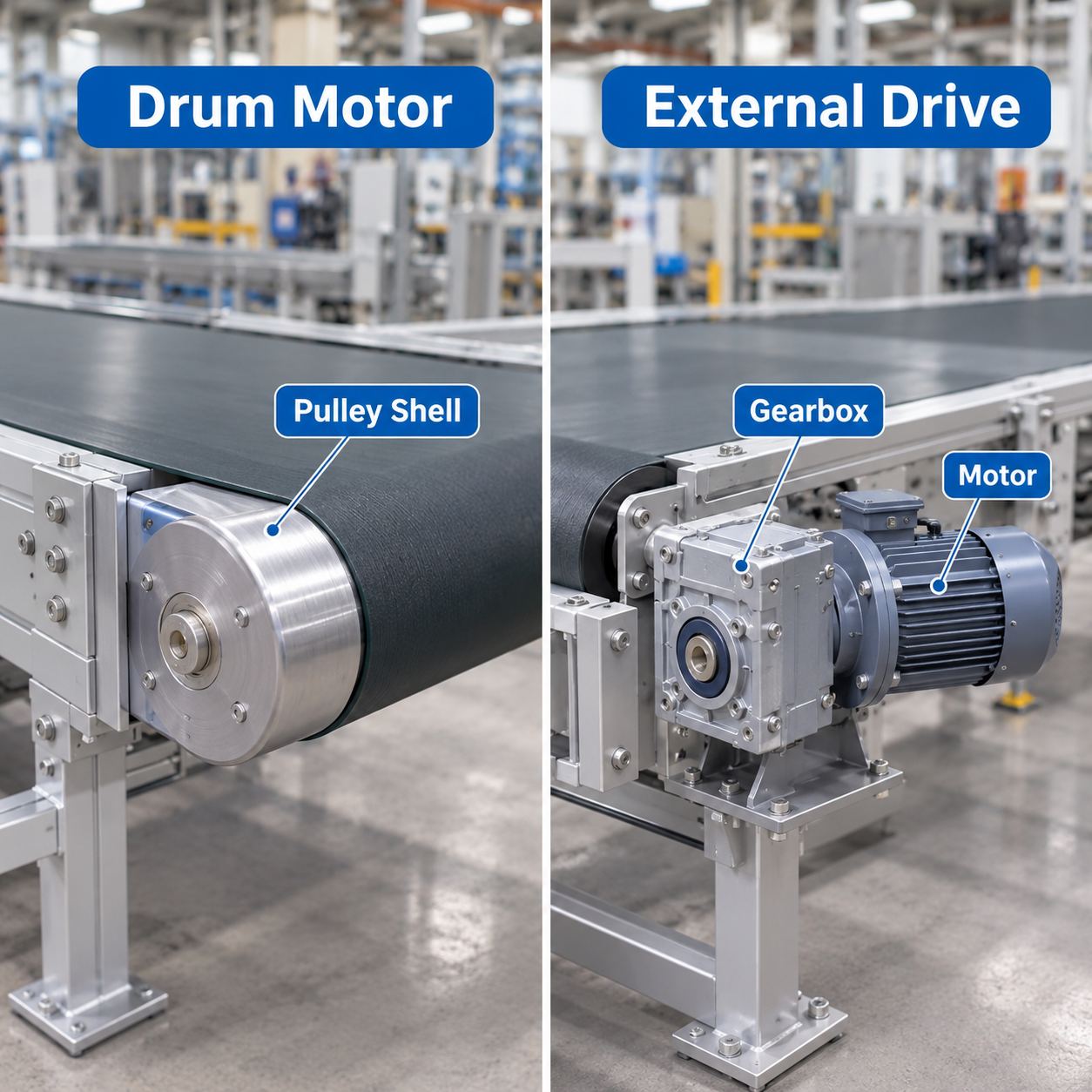
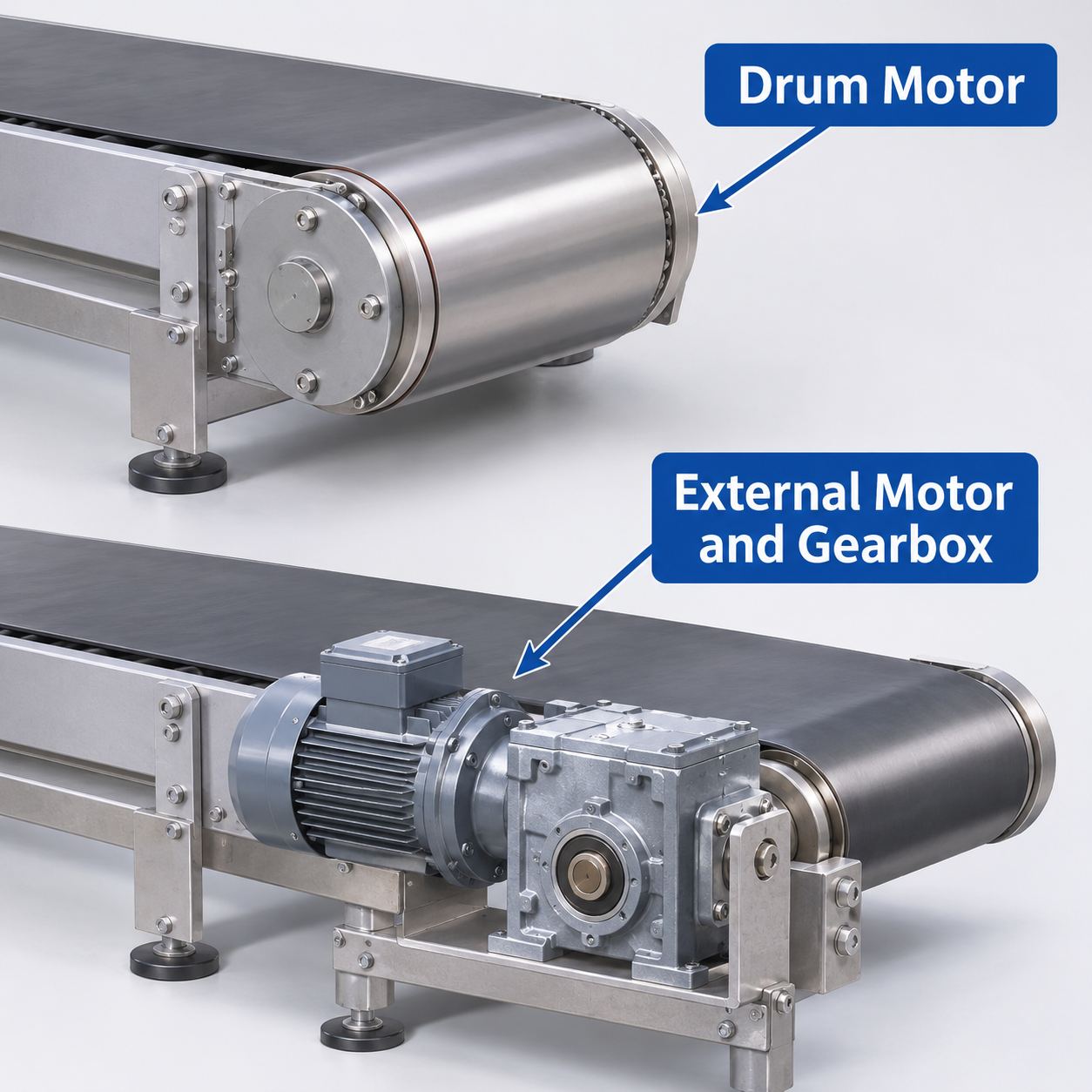
A drum motor, also called a motorized pulley, is a conveyor drive in which the electric motor, gearbox and bearings sit inside the drive-pulley shell. The shell typically rotates around stationary shafts mounted in the conveyor frame and drives the belt by contact with that shell. That is a different architecture from an external drive, where a motor and gearbox are mounted outside the frame and turn the drum through a coupling, chain, belt, or a shaft-mounted gearmotor.
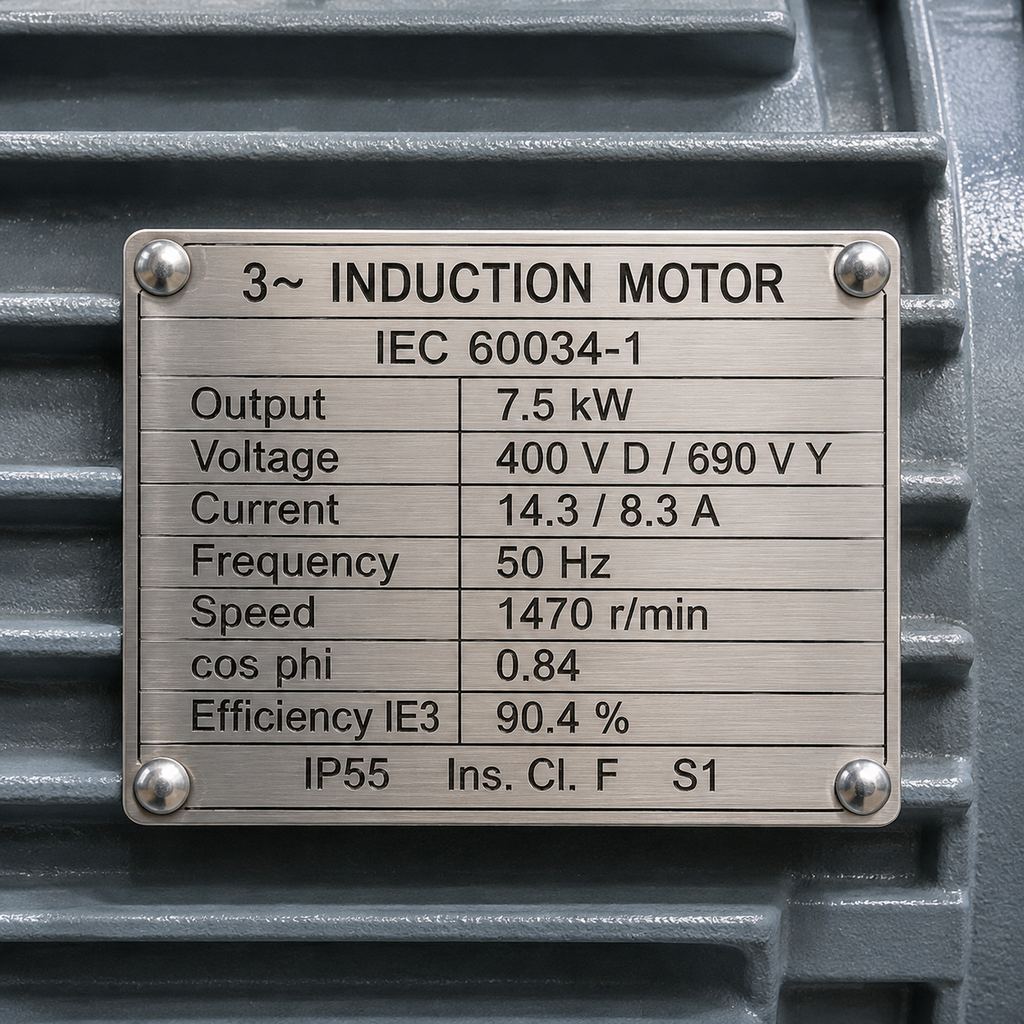
This is an educational comparison, not a JWMotors catalog or supply offer. The public JWMotors range does not include an integrated drum motor or motorized pulley. General-purpose motors and gearmotors such as YE3, RFKS, YEJ or YVF2 should not be specified as units that can be installed inside a pulley shell. External conveyor drives—a motor or gearmotor beside or on the drum—are the arrangement described on the material handling motors page.
Understanding Drum Motors and Their Applications
In a typical drum motor the stator is fixed to a stationary shaft, so power can be brought in through that shaft without slip rings. An in-line gearbox transfers torque to the rotating shell. Oil inside the shell is commonly used to lubricate the gears and bearings and to carry heat to the shell; the belt then often helps carry heat away. Those cooling and lubrication details vary by design, so they should be taken from the manufacturer’s data, not treated as a single industry rule.
Drum motors are used mainly on belt conveyors—flat, modular or other belts specified by the maker—where a compact head or tail drive is wanted, or where fewer exposed rotating parts would help with guarding, cleaning or layout. They are not the same product as motor-driven rollers (MDR). An MDR is typically a powered roller for a roller conveyor or a zone-controlled line; a drum motor typically drives a belt from the pulley.
Overview of Drum Motors vs. External Gearbox Drives
The two approaches put the same functions in different places. A drum motor packages the motor, gearbox and bearings inside the pulley. The shafts are normally stationary in the frame; it is the shell, not the whole internal assembly, that rotates with the belt. There is usually no external coupling, chain or belt drive between a separate gearmotor and the drum.
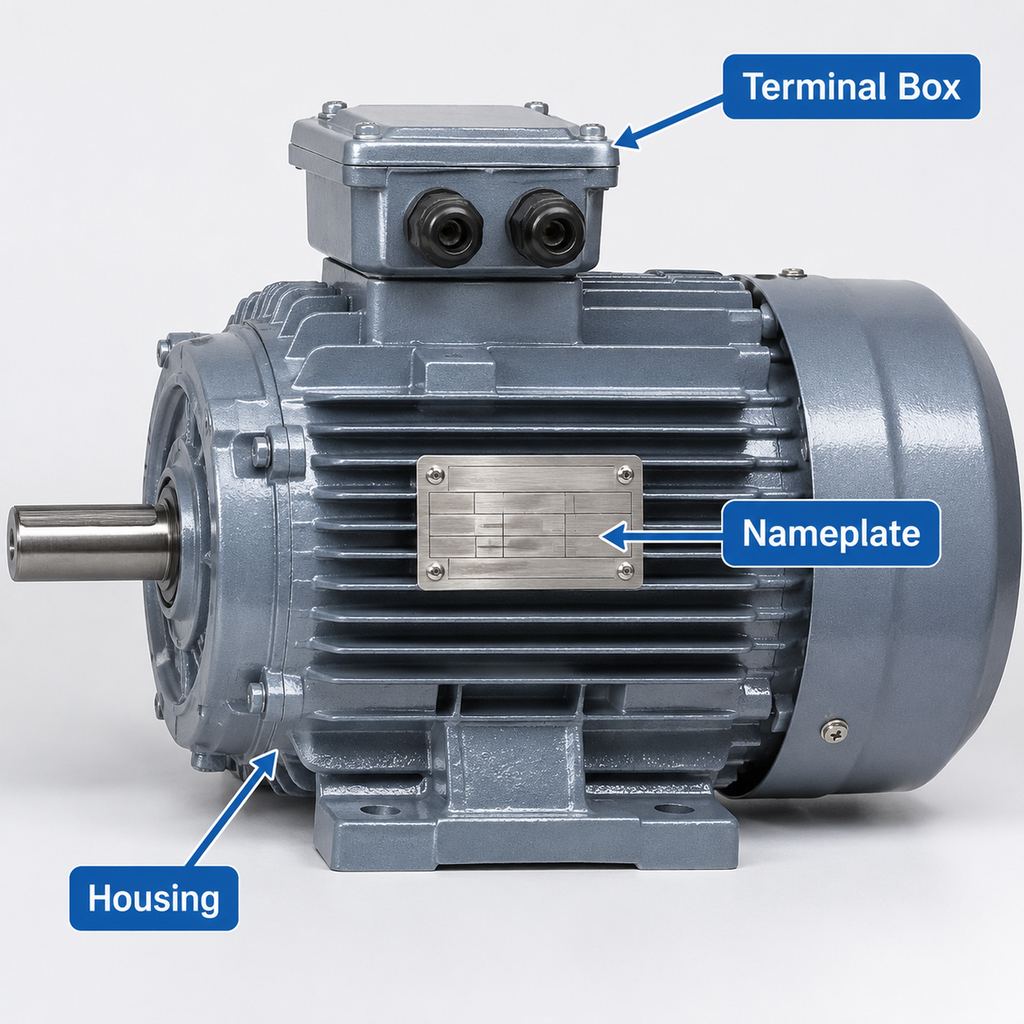
An external motor-plus-gearbox drive keeps those components outside the frame. Torque reaches the drum through a coupling, chain, belt, or a shaft-mounted gearmotor on the drum shaft. The motor and gearbox can often be replaced independently, but the drive needs space beside or below the conveyor and may need extra guarding for exposed parts. On JWMotors pages, a mention of “drums” in line with a helical gearmotor still means this external arrangement: the drum is the driven pulley, and the gearmotor sits outside the shell. See what is a gear motor for that packaged motor-and-gearbox idea, which is not a motorized pulley.
Typical selection trade-offs follow from that structure. A drum motor can save width when space beside the conveyor is tight, and a smooth enclosed shell can be easier to clean than a finned motor and a chain drive—especially if the specified unit is built for wash-down. An external drive is often easier to service on site, may have a wider choice of standard motors and gearboxes, and can be the more practical option where the drum motor’s available size, torque or service model does not fit. Neither layout is automatically better on cost, efficiency or maintenance; those outcomes depend on the actual catalog ratings and how the conveyor is maintained.
Key Selection Criteria for Drum Motors
- Available space. If there is little room beside or below the conveyor, an in-drum drive avoids a projecting motor and gearbox. If space is not the constraint, an external drive remains a normal choice.
- Cleaning and hygiene. An enclosed pulley has fewer external crevices than a chain, coupling and finned motor. Wash-down capability, stainless construction and a given IP rating are product-specific; they are not automatic properties of every drum motor, and this page does not assign a universal IP or hygiene certificate.
- Belt pull, speed and width. Size the unit from the belt type, required belt pull, speed, width and any incline, using the manufacturer’s selection data. Do not assume a general-purpose motor rating can be transferred into a pulley shell.
- Service model. Many drum motors are exchanged or returned as a complete pulley if the motor or gearbox fails. An external drive more often allows the motor or the gearbox to be changed on its own. Choose the model that matches how the site actually maintains conveyors.
- Environment and options. Ambient temperature, dust, water and chemicals matter because heat leaves through the shell and, often, the belt. Brakes, backstops, encoders, lagging and variable-frequency operation are options on some designs; confirm them on the nameplate and the data sheet.
Frequently Asked Questions about Drum Motors
What are drum motors used for on conveyors?
They are used mainly as the drive pulley on belt conveyors, including some food, packaging, logistics and baggage lines, when a compact or enclosed drive is wanted. They are not a substitute for motor-driven rollers on a roller conveyor, and they are not a general-purpose IEC motor mounted beside the belt.
How does maintenance differ from an external motor and gearbox?
A sealed drum motor has no external chain or coupling to tension, but internal work usually means removing or exchanging the whole pulley. An external drive is often more accessible for component-level repairs, at the cost of more exposed parts to inspect and guard. “Low maintenance” is not the same as maintenance-free.
Can a drum motor be used outdoors or in a wash-down area?
Only if the specific unit is built and rated for that environment. Enclosure, materials and IP rating come from the manufacturer’s data, not from the fact that the drive is inside a drum. Verify the nameplate against the site conditions.
Does JWMotors supply drum motors?
The public catalog does not list a motorized pulley line, and YE3, RFKS and similar products should not be treated as in-drum drives. For an external motor or gearmotor on a conveyor, start from the material handling motors overview.