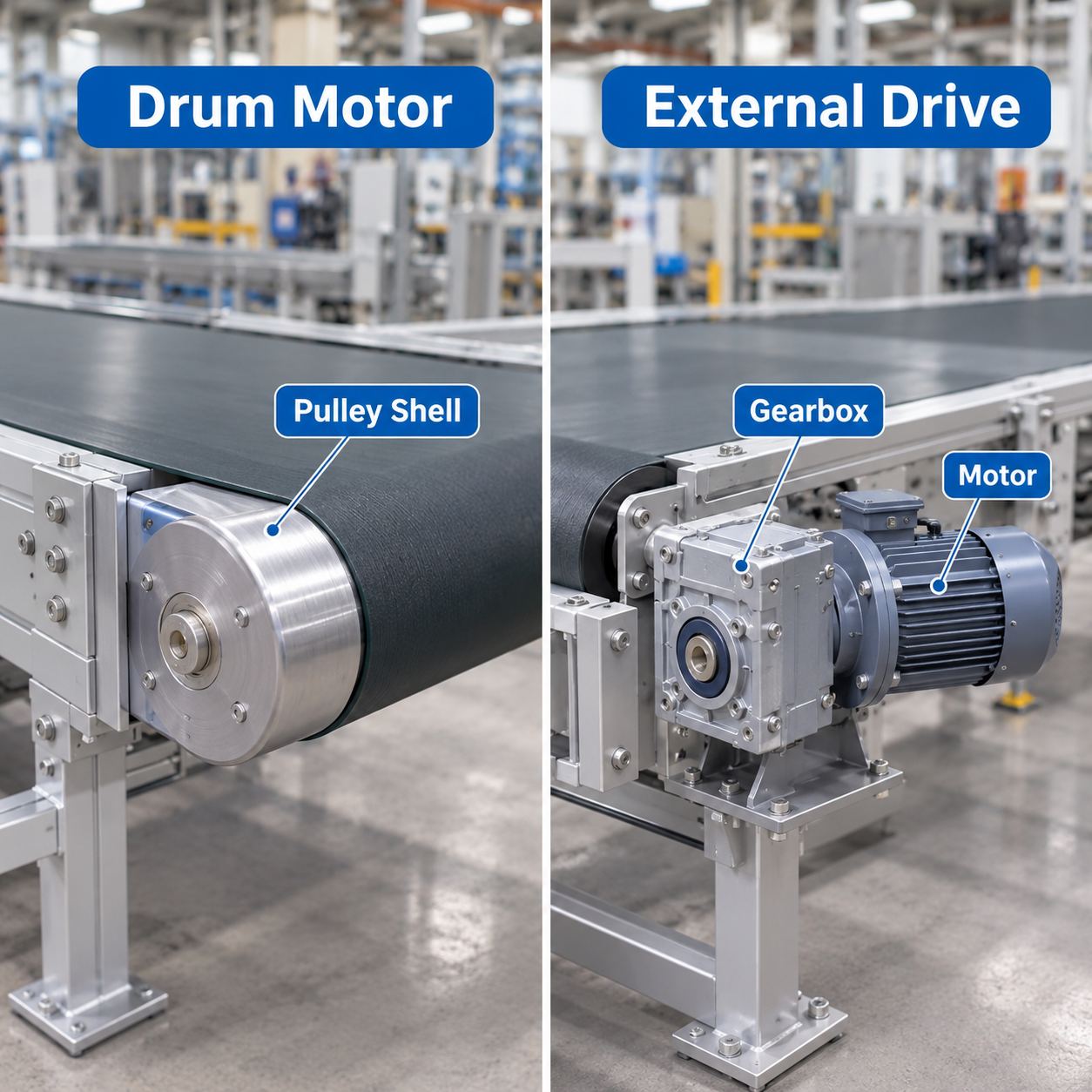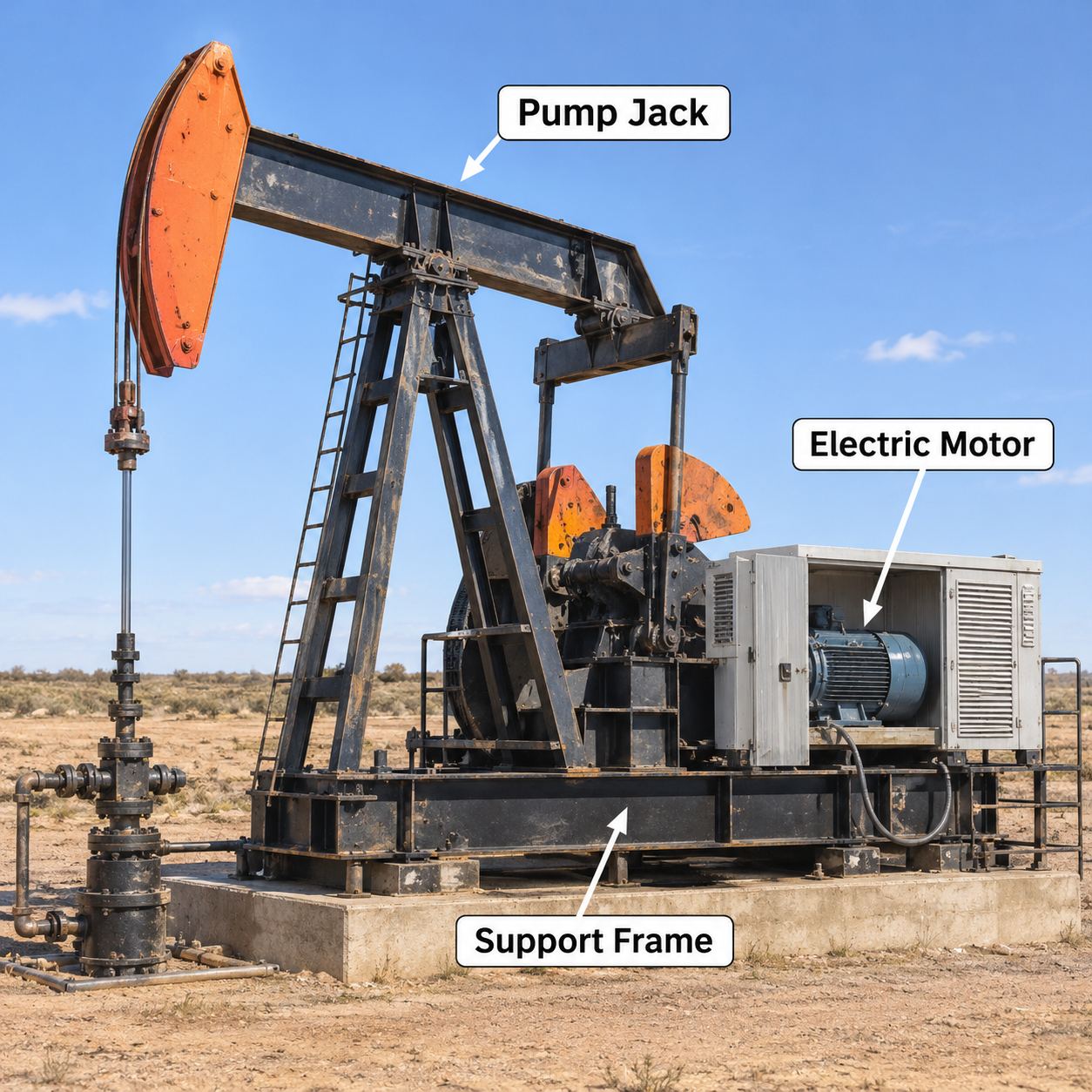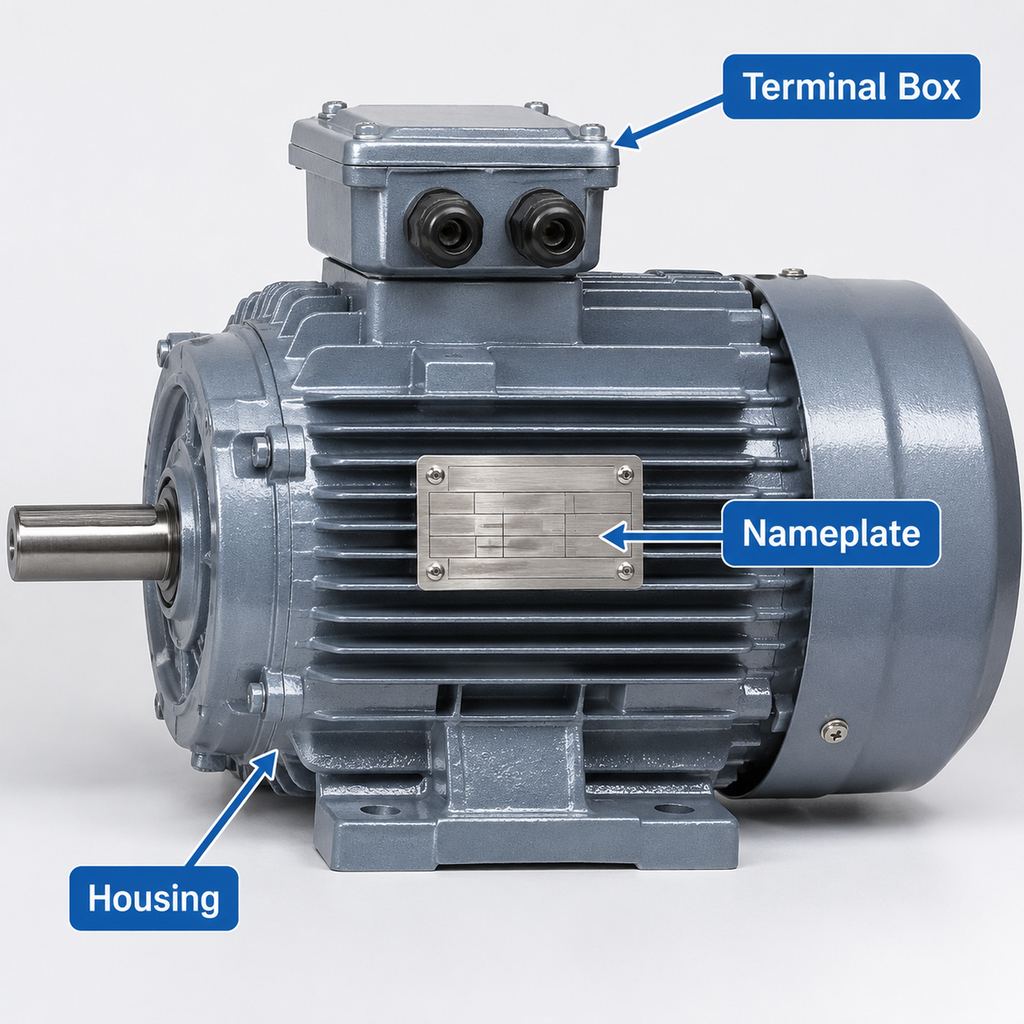
Many small workshops, farms, woodshops and small factories only have a single-phase supply, yet much of the equipment they want to run (larger pumps, table saws, planers, air compressors, mills and lathes) is built around three-phase motors. There are two ways to solve this: get a real three-phase service from the electricity utility, or create three-phase power on site from your single-phase supply with a phase converter or a variable frequency drive (VFD). This guide covers the options, where each one makes sense, and what to check on the motor side.
This article is about the power source. If you would rather adapt the motor itself, see how to convert a 3 phase motor to single phase.
What Three-Phase Power Is and Why Motors Need It
A three-phase supply carries three alternating voltages of the same frequency, each shifted 120 electrical degrees from the next. Because the three phases peak one after another, a three-phase motor receives power continuously. It is self-starting, runs smoothly and, for the same output, is usually smaller and simpler than a single-phase motor.
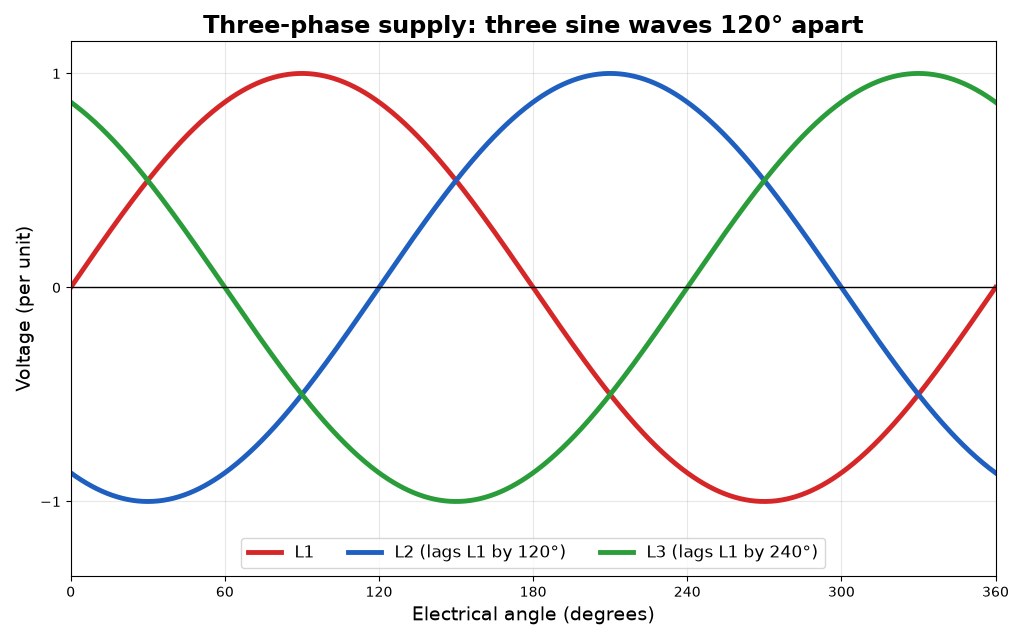
A three-phase supply: three sine waves (L1, L2, L3) displaced by 120°.
Single-phase supplies are practical for lighting and small appliances, but single-phase motors above a few kilowatts become large and expensive, and the utility may limit how big a single-phase motor you can connect. That is why general-purpose industrial motors such as the YE3 and YE4 series are three-phase designs.
Option 1: Request Three-Phase Service From the Utility
A utility three-phase supply is the most robust solution. It supports multiple machines at once, gives full motor output without derating, and leaves room for future equipment.
How the process usually works
- Check what you already have. Your bill, the meter, or a call to the local distribution network operator will confirm whether the property is single- or three-phase and whether three-phase lines run nearby. Do not open the meter cabinet or break seals; the incoming service is utility property and stays live.
- Prepare a load list. List each machine with its power rating, along with any planned additions. A licensed electrician can turn this into a load calculation that shows the supply size you need.
- Apply for a connection or upgrade. The utility checks transformer and cable capacity and then issues a quote and the conditions of connection.
- Complete site work and internal wiring. This can include a new service cable, a meter, a three-phase distribution board and balanced circuits, installed and tested by a licensed electrician. Permits and inspections depend on local rules.
- Energize and check phase rotation. Before running motors, confirm that the rotation is correct so machines turn the right way.
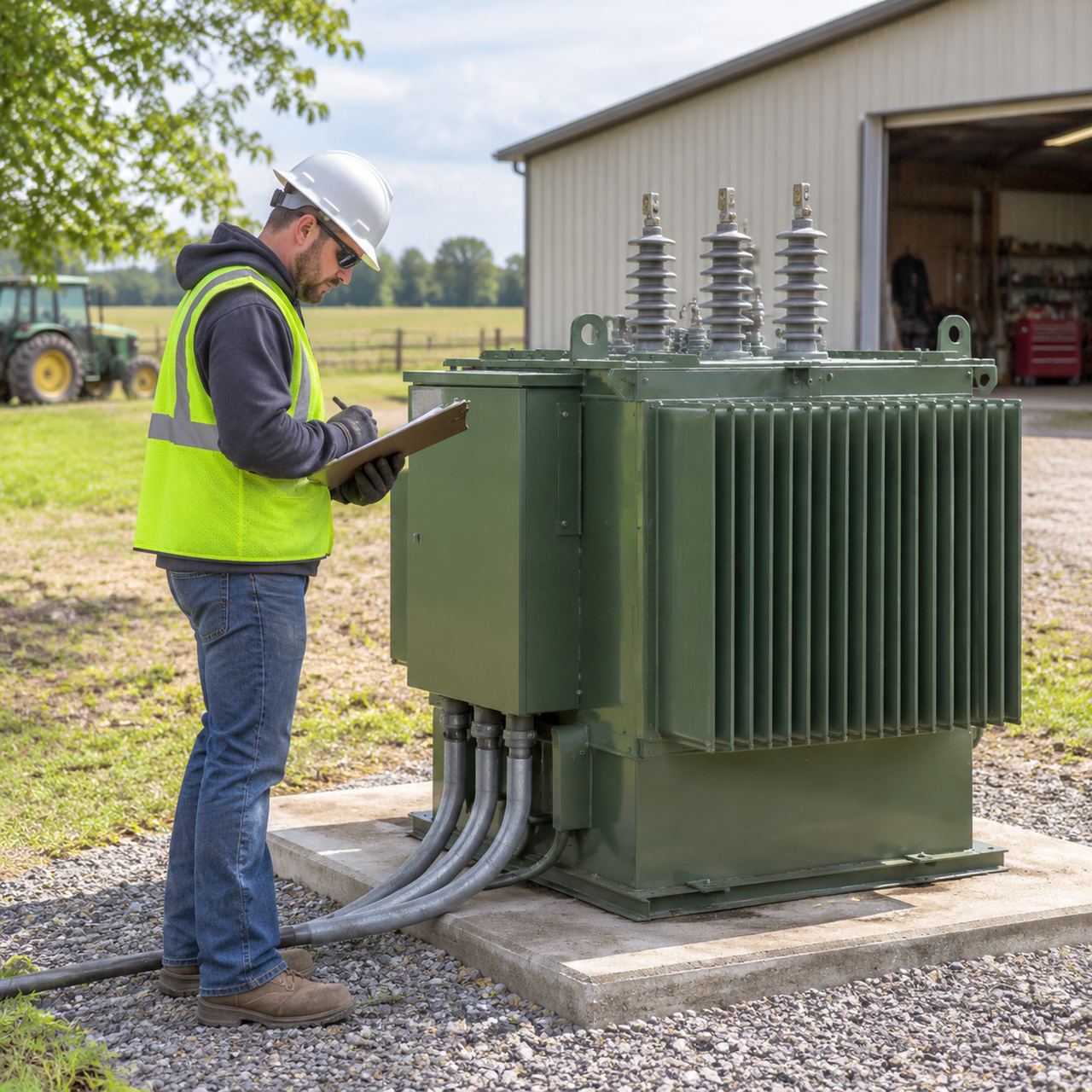
Where the nearest transformer is single-phase, a three-phase connection may require a new or upgraded transformer.
What drives cost and lead time
No universal price exists, and the quote can range from modest to very high. The main factors are:
- Distance to existing three-phase lines. If three-phase already runs past the property, the job may only need a new service drop and meter. If the nearest three-phase line is far away, poles, cable and trenching quickly add cost.
- Network capacity. A larger supply can require a transformer replacement or reinforcement of the street network.
- Groundworks and access. Underground cables, road crossings and easements or wayleaves over neighbouring land add time and cost.
- Internal work. A new distribution board, re-feeding existing circuits and earthing changes are usually the customer’s cost.
- Tariffs. Some utilities charge different standing or demand charges for three-phase supplies, so check the ongoing cost as well as the connection cost.
Lead times run from a few weeks for a simple upgrade to several months when line extension, permits or transformer work are involved.
When requesting utility three-phase makes sense
- You plan to run several three-phase machines, or machines in the larger motor sizes (roughly 7.5 kW / 10 HP and up).
- Loads run for long hours, such as irrigation pumps, grain handling or production equipment.
- The business is growing, and converters would have to be replaced or multiplied later.
- Three-phase lines are already close to the property, which keeps the connection cost low.
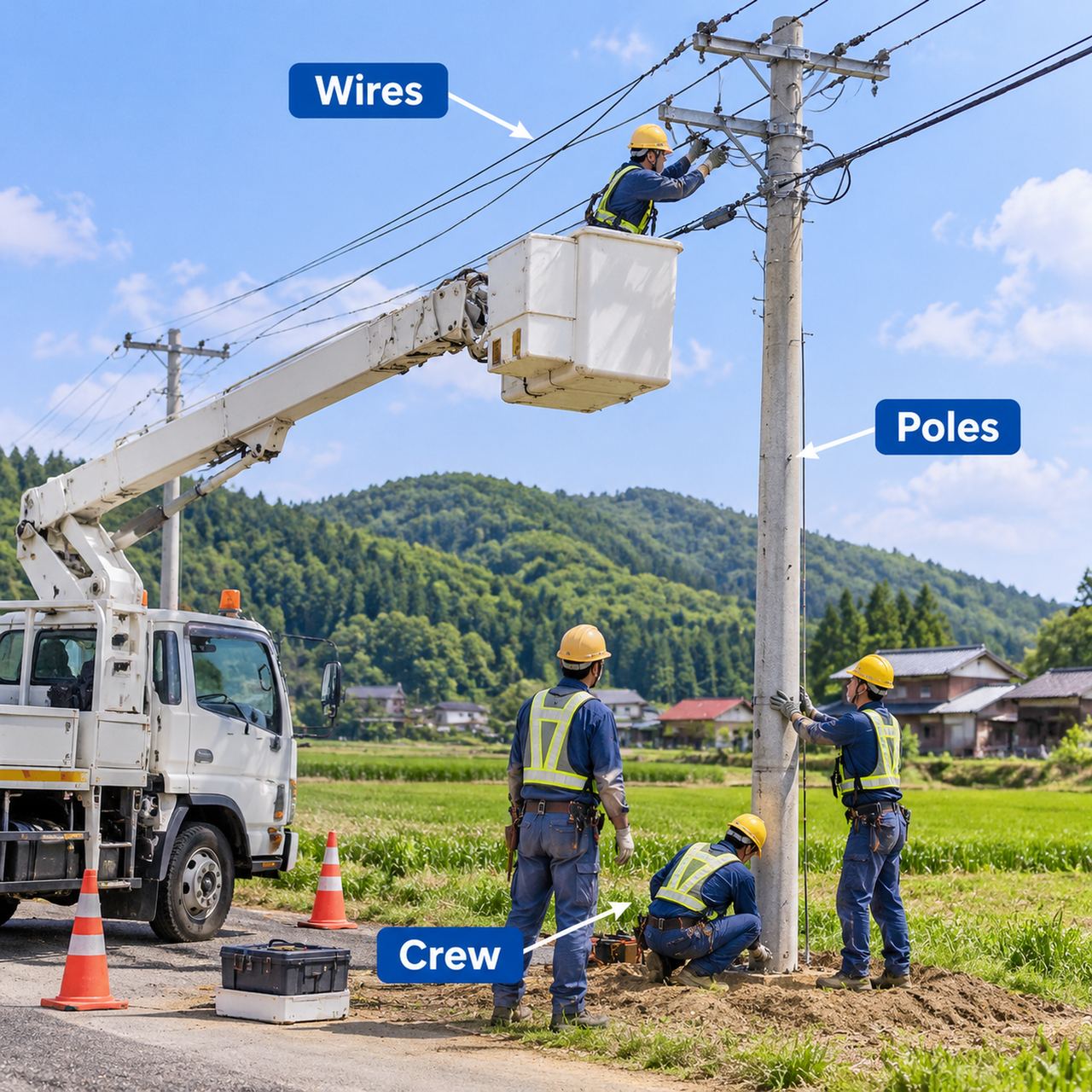
Line extensions to rural sites are often the biggest cost and time factor.
Option 2: Rotary Phase Converter
A rotary phase converter uses a three-phase idler motor, run from the single-phase supply, together with capacitors and a control panel. Once spinning, the idler generates the missing third phase, and the converter delivers a three-phase output that can feed several machines.
- Pros: runs multiple machines from one unit, handles motor starting reasonably well, needs no speed-control settings, and is robust and simple.
- Cons: larger and noisier than electronic options; the idler draws power even when no machine is working; the generated phase voltage can vary with load unless the converter is well balanced; and it needs space and occasional maintenance.
- Typical range: from a few kilowatts to several tens of kilowatts. Size the converter on the largest motor’s starting demand and on how many machines run at once, not just on the sum of nameplate ratings. Hard-starting loads such as compressors usually need extra margin.
- Good fit: a woodshop or machine shop with several three-phase machines of mixed sizes, used one or two at a time.
Option 3: Static Phase Converter
A static converter uses capacitors and a starting relay to give a three-phase motor enough phase shift to start. After start-up, the motor effectively runs on two lines, much like a single-phase motor with an extra winding.
- Pros: inexpensive, compact and easy to install.
- Cons: the motor typically delivers only about one-half to two-thirds of its rated output, phase currents are unbalanced and the windings run hotter. It serves one motor at a time, is not suitable for hard-starting loads, and gives no speed control. Some equipment makers do not recommend it.
- Typical range: small, lightly loaded motors, usually a few kilowatts at most.
- Good fit: an occasional-use, lightly loaded single machine where reduced output is acceptable. For most professional use, a VFD or rotary converter is the better choice.
Option 4: Single-Phase-Input VFD
A VFD rectifies the single-phase supply to DC and then uses power electronics to synthesize a variable-voltage, variable-frequency three-phase output for one motor.
- Pros: soft starting with a controlled ramp that limits inrush current, adjustable speed, built-in motor protection, compact size and good efficiency. On fans and pumps, running at reduced speed can save significant energy.
- Cons: normally one VFD per motor, and the drive must be set up correctly. Above the sizes sold for single-phase input, a three-phase-input drive must be derated on single-phase (often to about half its rating; check the maker’s data). Long motor cables can raise voltage stress at the motor, and the drive may need EMC filtering.
- Typical range: drives rated for single-phase input are common up to roughly 2.2 to 4 kW. Larger motors are possible with derated drives, subject to your single-phase supply capacity.
- Good fit: a single machine that benefits from speed control or soft start, such as a pump, fan, lathe, conveyor or small compressor.
Standard three-phase motors run well on VFDs over a moderate speed range. For long periods at low speed, wide speed ranges or high switching frequencies, an inverter-duty motor such as the YVF2 variable-frequency series is a better match, since it is designed for inverter supply and has independent forced cooling for low-speed operation. YVF2 motors are listed under special-purpose motors.
Rotary Phase Converter vs VFD
| Factor | Rotary phase converter | Single-phase-input VFD |
|---|---|---|
| Machines served | Several, from one converter | Usually one motor per drive |
| Speed control | No, fixed speed | Yes, adjustable |
| Starting | Direct-on-line start; size the converter for starting demand | Soft start with controlled ramp |
| Output quality | Generated phase can vary with load | Balanced, controlled output |
| Typical size | A few kW to tens of kW | Up to about 2.2 to 4 kW native single-phase input; larger with derating |
| Space and noise | Larger; idler motor hums when running | Compact; fan noise only |
| Standby losses | Idler draws power while running | Low |
| Best for | Shops with several fixed-speed machines | One machine that benefits from speed control or soft start |
In practice, many shops combine both: a rotary converter for a group of fixed-speed machines, and a dedicated VFD on the one machine that benefits from variable speed.
Motor Considerations on Converter or VFD Power
- Derating: on a static converter, plan for reduced output. On a rotary converter, check the voltage balance under load; unbalanced voltages cause disproportionately unbalanced currents and extra heating, and motors should be derated if the imbalance is significant. On a VFD, standard self-cooled motors lose cooling at low speed, so check the continuous torque at the lowest operating speed.
- Starting: across-the-line starting of a large motor on a converter can cause voltage dips. Hard-starting loads such as loaded compressors, conveyors and crushers need a larger converter or a VFD. Starting current itself is covered in a separate article.
- Insulation class: the switched output of a VFD stresses the winding insulation, especially with long cables. Motors with Class F insulation, which usually operate with a Class B temperature rise, have thermal margin. Inverter-duty designs add reinforced insulation for voltage spikes. Read more about motor insulation classes.
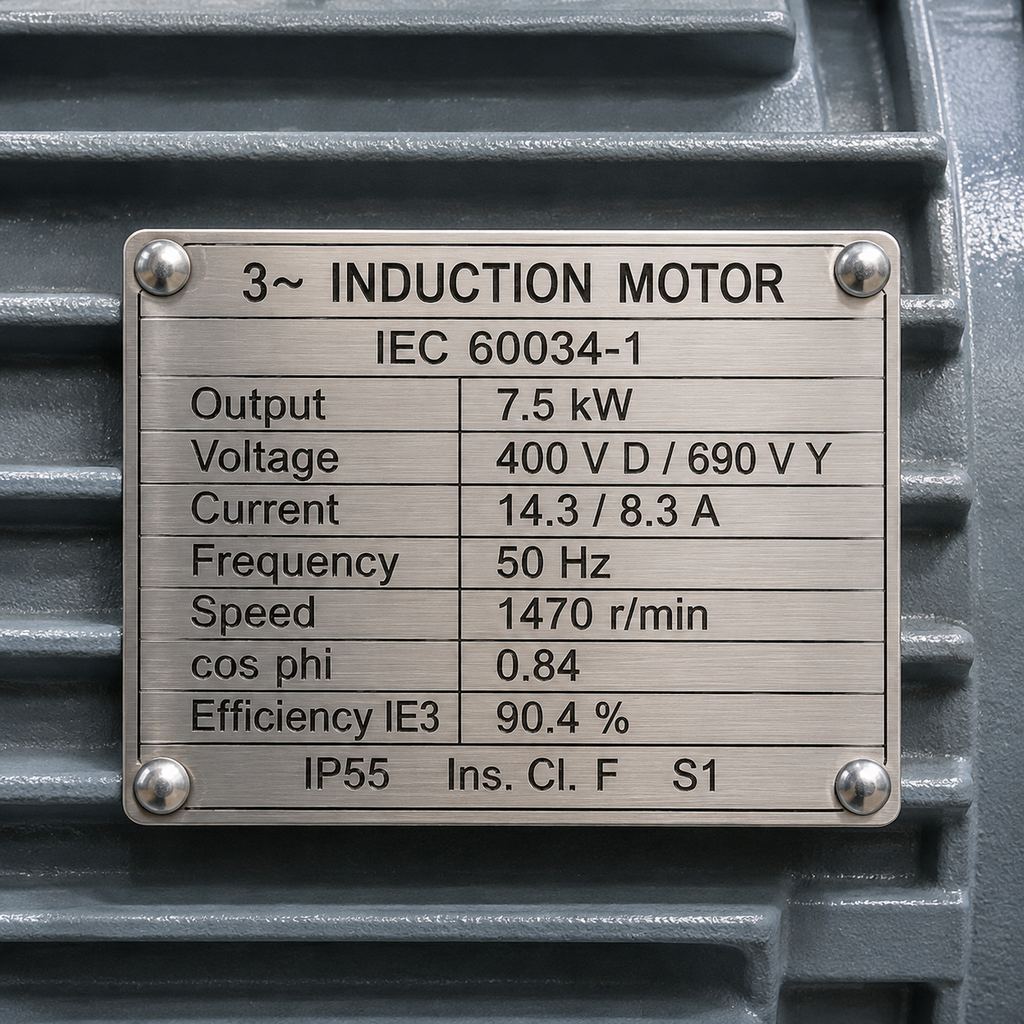
- Efficiency: IE3 (YE3) and IE4 (YE4) motors cut running cost on long-duty loads such as farm pumps and compressors, whatever the power source.
How to Choose: Practical Selection Advice
- List your machines. Note the motor ratings, how many run at the same time, the starting load and duty hours.
- Ask the utility first. Find out whether three-phase is available nearby and get an approximate quote. If the cost is reasonable and your loads are significant, a real three-phase supply is the long-term answer.
- One machine, especially a small one: use a single-phase-input VFD and gain soft start and speed control.
- Several fixed-speed machines in a small shop: size a rotary phase converter for the largest motor’s start plus the loads that run at the same time.
- Light, occasional single-motor use only: a static converter can work if reduced output is acceptable.
- Match the motor to the source: use YE3/YE4 three-phase motors for fixed-speed duty on farm pumps and agricultural equipment and woodworking machines, and YVF2 variable-frequency motors where a VFD controls speed over a wide range.
- Check your single-phase supply capacity. Converters and VFDs draw higher current on one phase, so make sure the service and breaker can carry it.
- Use a licensed electrician. Protection, earthing and local code compliance apply to every option.
For non-standard voltages, frequencies or mounting, see customization, or browse all products.
Frequently Asked Questions
How do I get 3 phase power at home?
Ask your local utility or distribution network operator whether three-phase is available at your address and request a quote for an upgrade. If it is not available or too expensive, run three-phase machines from a rotary phase converter, a static phase converter or a single-phase-input VFD.
How much does it cost to get three-phase power installed?
It depends mainly on how far the nearest three-phase line is, whether the transformer or network needs reinforcement, groundworks, and internal wiring. Only the utility can give a firm quote for your site.
Which is better, a rotary phase converter or a VFD?
A VFD is usually better for a single motor, especially if speed control or soft start helps. A rotary converter is usually better for running several fixed-speed machines from one unit.
What is the best three-phase power supply for a workshop?
For a busy workshop with multiple or larger machines, a utility three-phase service is the most capable option. For smaller shops, a rotary converter for the general machines plus VFDs on individual machines is a common and cost-effective setup.
Do I need a special motor to run on a VFD?
Not always. Standard three-phase motors work on VFDs over moderate speed ranges. For extended low-speed running, wide speed ranges or long cable runs, an inverter-duty motor such as YVF2 with forced cooling and reinforced insulation is recommended.