Understanding AC and DC Motors
At their core, AC (alternating current) and DC (direct current) motors differ primarily in how they convert electrical energy into mechanical motion. AC motors use alternating current, which periodically reverses direction, while DC motors run on direct current that flows steadily in one direction. This distinction significantly impacts their internal construction and applications.
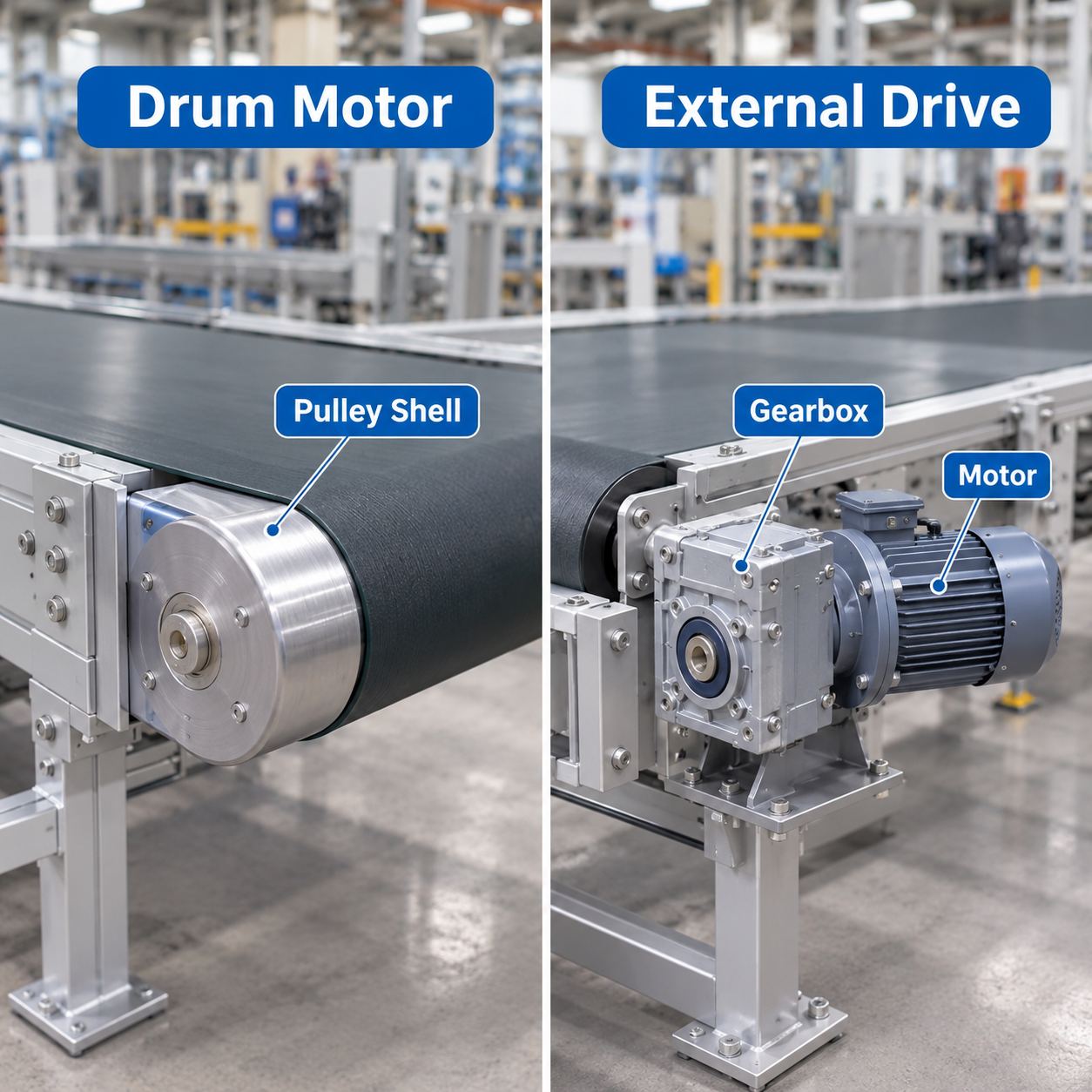
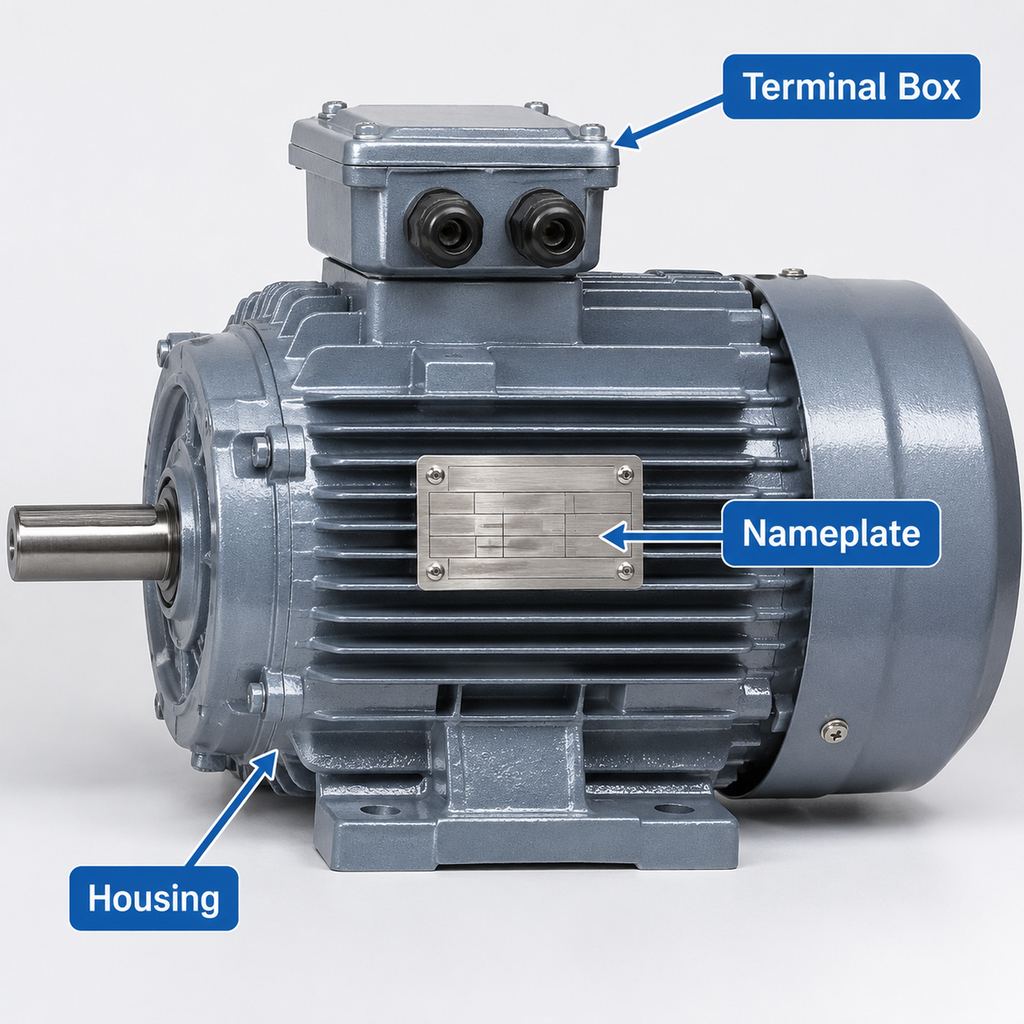
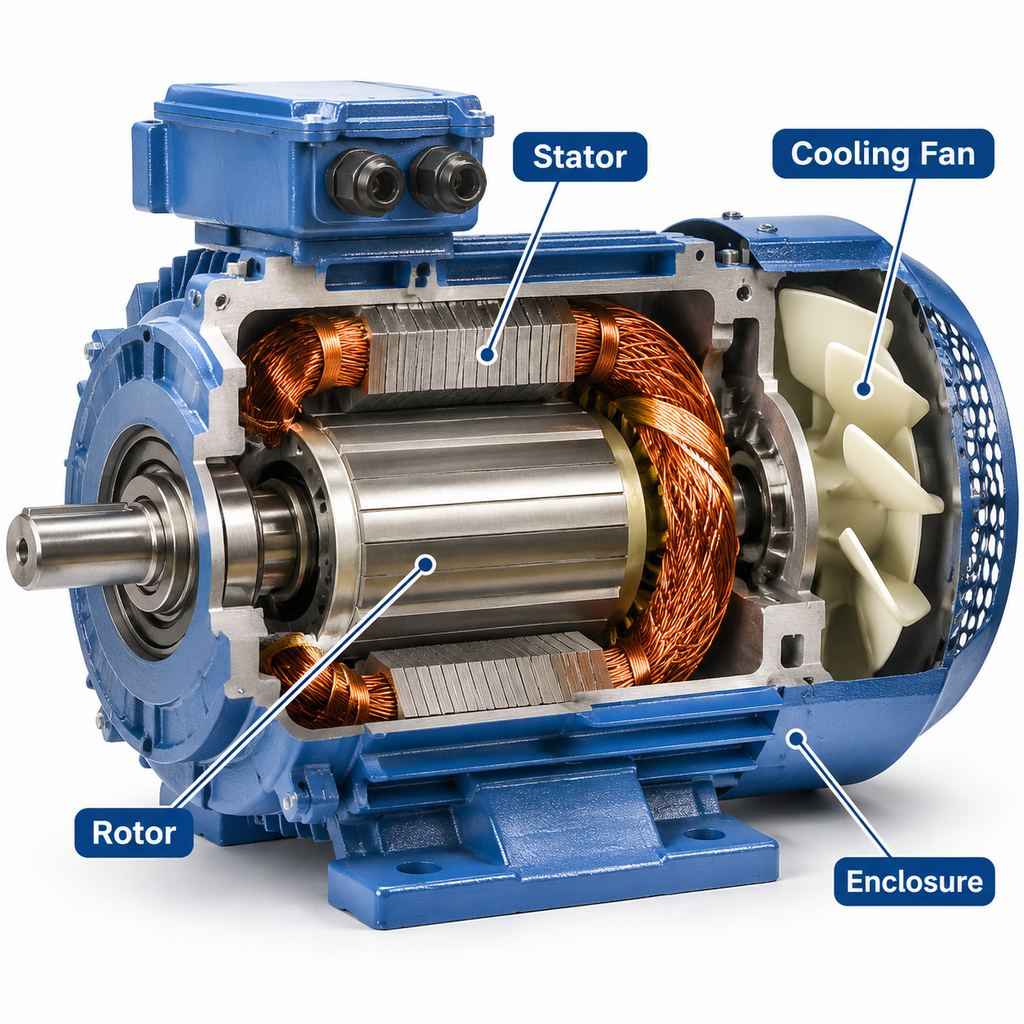
AC motors typically consist of a stator and a rotor, with the changing magnetic fields of the alternating current inducing rotation in the rotor. They are well-suited for constant-speed applications such as fans, conveyor systems, and pumps, thanks to their simplicity and durability. On the other hand, DC motors rely on a commutator and brushes or an electronic controller (in brushless models) to maintain unidirectional current flow and produce motion. This design enables precise speed control and high starting torque, making DC motors a preferred choice for applications such as robotics, forklifts, and variable-speed machinery.
Understanding these operating fundamentals helps engineers and buyers make informed decisions when selecting motors for specific industrial purposes, considering factors like efficiency, control complexity, and maintenance requirements.
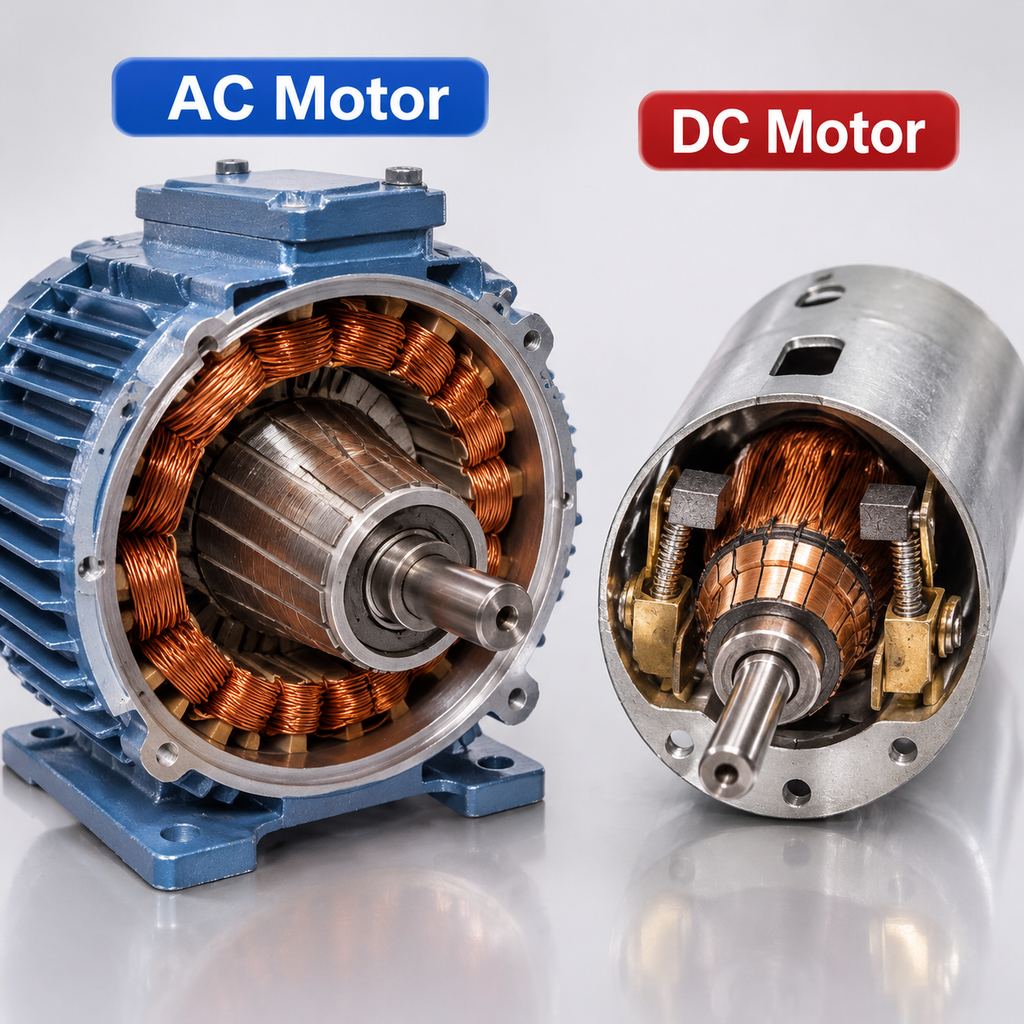
Side view comparison of an AC and DC motor, showing internal components
Key Differences Between AC Motors and DC Motors
- Current type: AC motors operate on alternating current which changes direction periodically, while DC motors work with direct current flowing in one consistent direction.
- Speed control: DC motors provide precise and adjustable speed control, making them ideal for applications requiring variability, whereas AC motors are better suited for constant-speed tasks.
- Internal components: DC motors use brushes and a commutator or electronic controllers for brushless types, whereas AC motors rely on induction or synchronous mechanisms with no brushes.
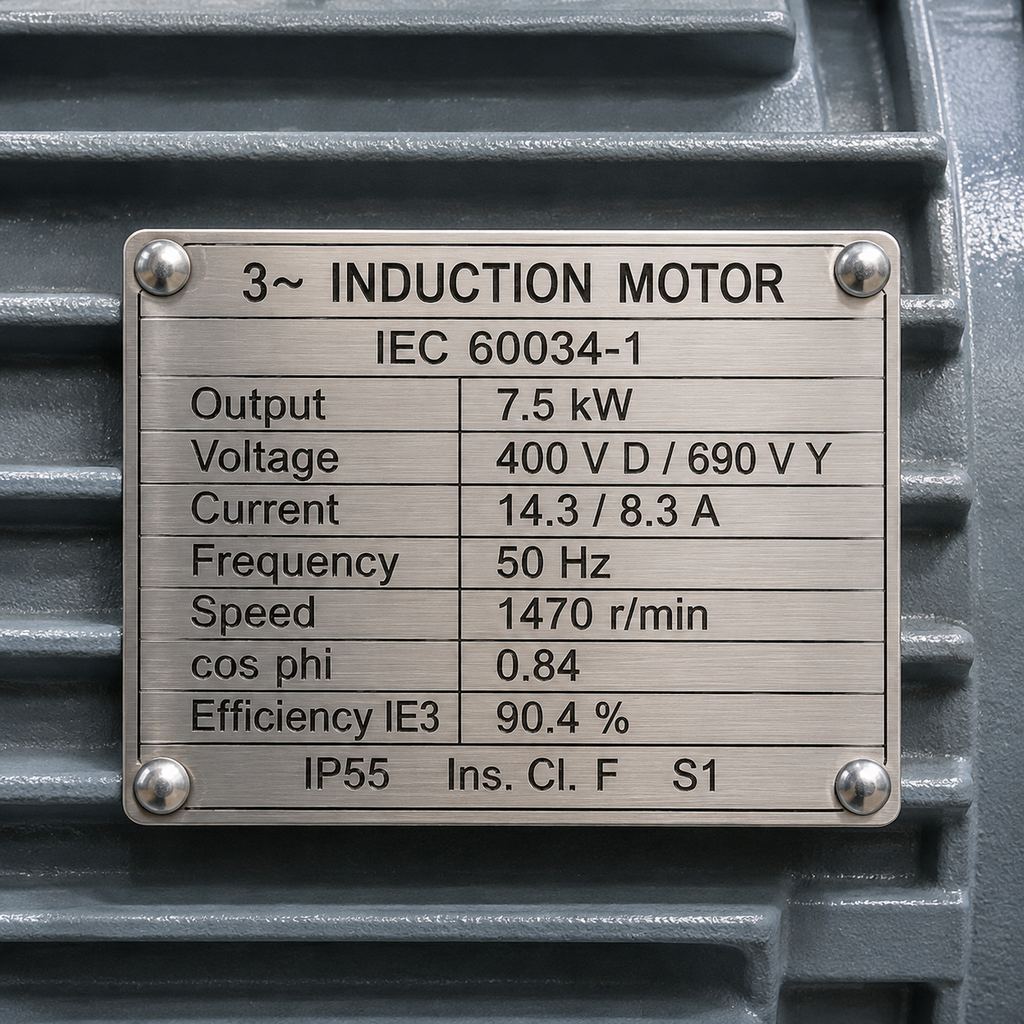
- Energy efficiency: AC motors, particularly IE3 and IE4 classes, are more energy-efficient for continuous operation, while DC motors excel in applications requiring high starting torque.
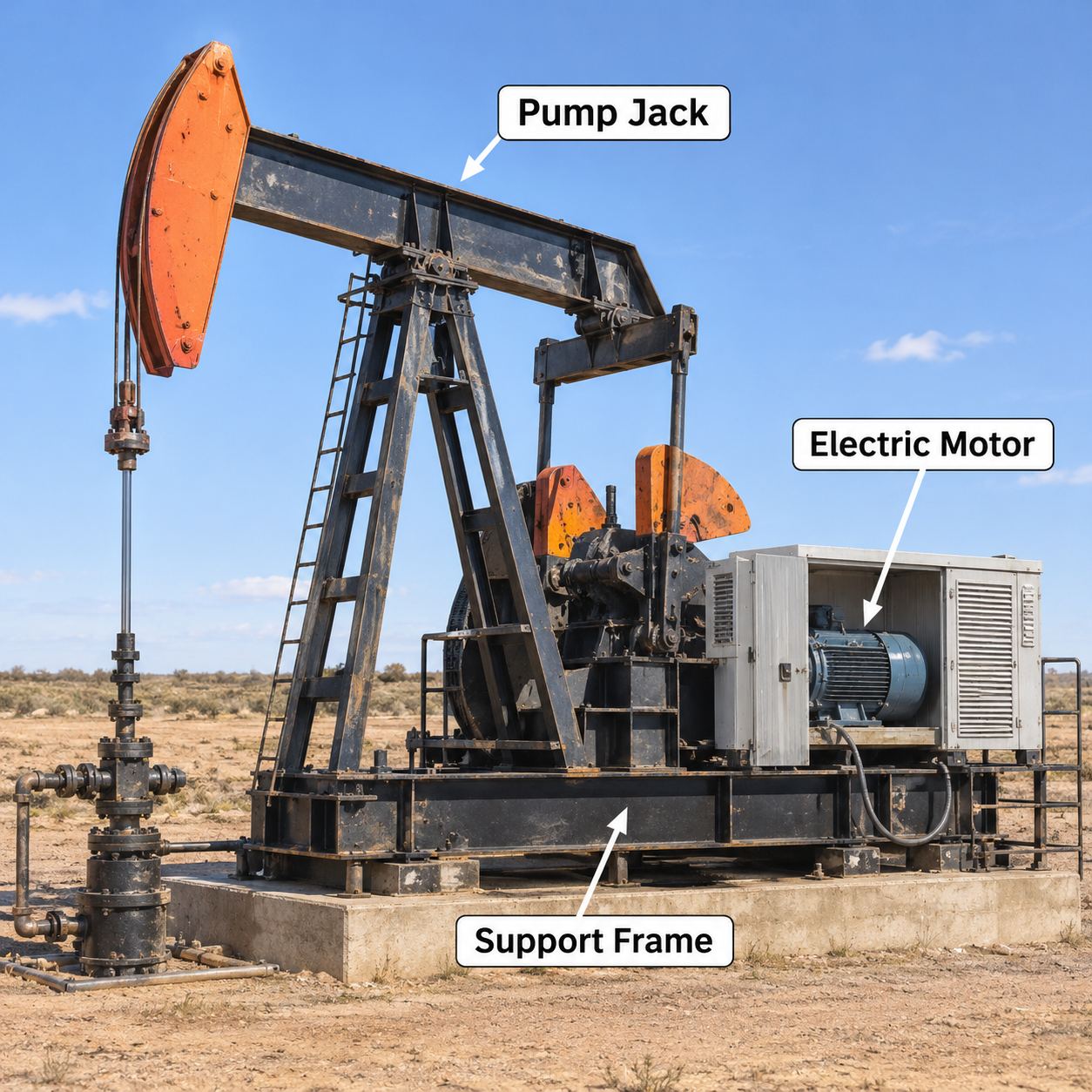
- Applications: AC motors dominate large-scale industrial uses like pumps, fans, and compressors, while DC motors are commonly seen in robotics, electric vehicles, and machine tools.
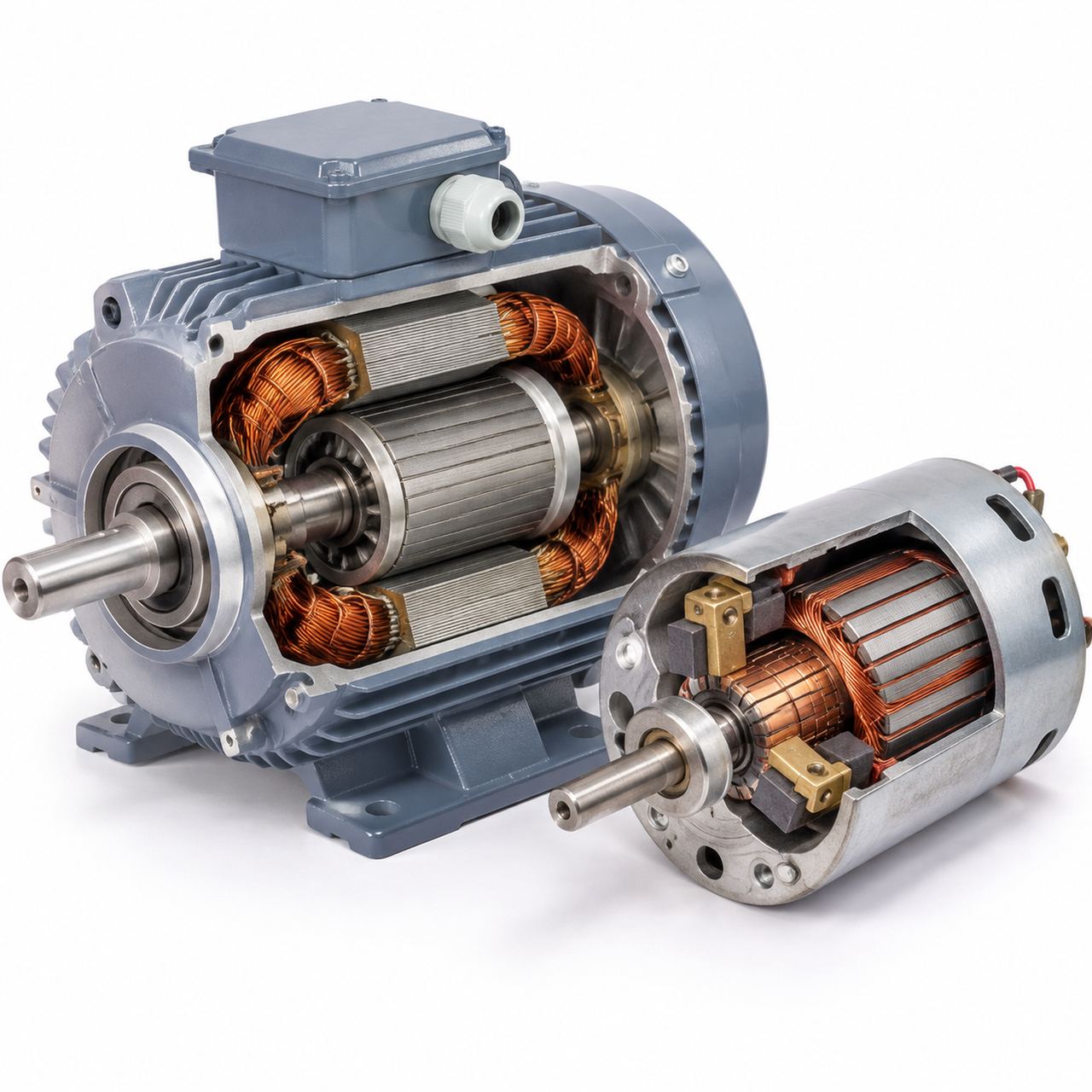
Angle view of AC and DC motors highlighting their components
Frequently Asked Questions
What are the advantages of AC motors over DC motors?
AC motors typically have simpler designs with no brushes or commutators, reducing maintenance costs and improving durability. Additionally, modern high-efficiency AC motors (like IE3 and IE4 models) are more energy-efficient during continuous operation and better suited for heavy-duty industrial applications.
Can DC motors achieve better speed control than AC motors?
Yes, DC motors offer superior speed control thanks to their design, which allows easy adjustment of speed and torque. This makes them ideal for applications like robotics, elevators, and variable-speed machinery. However, modern technologies like variable frequency drives (VFDs) have improved speed control in AC motors.
Are brushless motors considered AC or DC motors?
Brushless motors are a type of DC motor. Instead of brushes and a mechanical commutator, they use electronic controllers to regulate the flow of current, which makes them more efficient and durable compared to traditional brushed designs.
Which motor is more cost-effective over its lifetime, AC or DC?
AC motors are generally more cost-effective over their lifetime due to lower maintenance requirements, longer durability, and higher energy efficiency at industrial scales. DC motors may have lower upfront costs but higher maintenance expenses due to worn brushes and commutators.
AC vs. DC Motor Comparison Table
| Feature | AC Motor | DC Motor |
|---|---|---|
| Power Source | Alternating Current (AC) | Direct Current (DC) |
| Construction | Composed of a stator and rotor without brushes and commutators | Typically includes a commutator with brushes or operates brushless with electronic control |
| Speed Control | Limited control unless paired with a variable frequency drive (VFD) | Precise speed and torque control over a wide range |
| Efficiency | Highly efficient for continuous operation when in IE3/IE4 designs | Less efficient for constant load, but highly efficient for variable-speed applications |
| Maintenance Requirement | Lower maintenance due to lack of brushes | Requires periodic maintenance for brushes (except brushless DC motors) |
| Durability | More durable under harsh conditions due to simpler design | May suffer wear and tear due to brushes (if present) |
| Applications | Ideal for pumps, fans, conveyors, compressors | Preferred for robotics, electric vehicles, variable-speed machinery |