A motor circuit protector (MCP) is a magnetic-only, instantaneous-trip circuit breaker built for motor branch circuits. It clears short circuits and ground faults quickly. It does not provide overload protection. That is why an MCP is always paired with a separate overload device, usually a thermal or electronic overload relay, as part of a combination starter. This guide is for buyers, panel builders and maintenance teams protecting three-phase motors on continuous-duty pumps, fans and conveyors. It explains what an MCP does, how it compares with an overload relay, an MPCB and an ordinary breaker, how settings follow from the motor nameplate, and what to give the motor maker when you place an order.
In panel terms, the MCP is one part of the motor control package. The contactor, overload protection and any drive make up the rest; see what is a motor controller for the full picture.
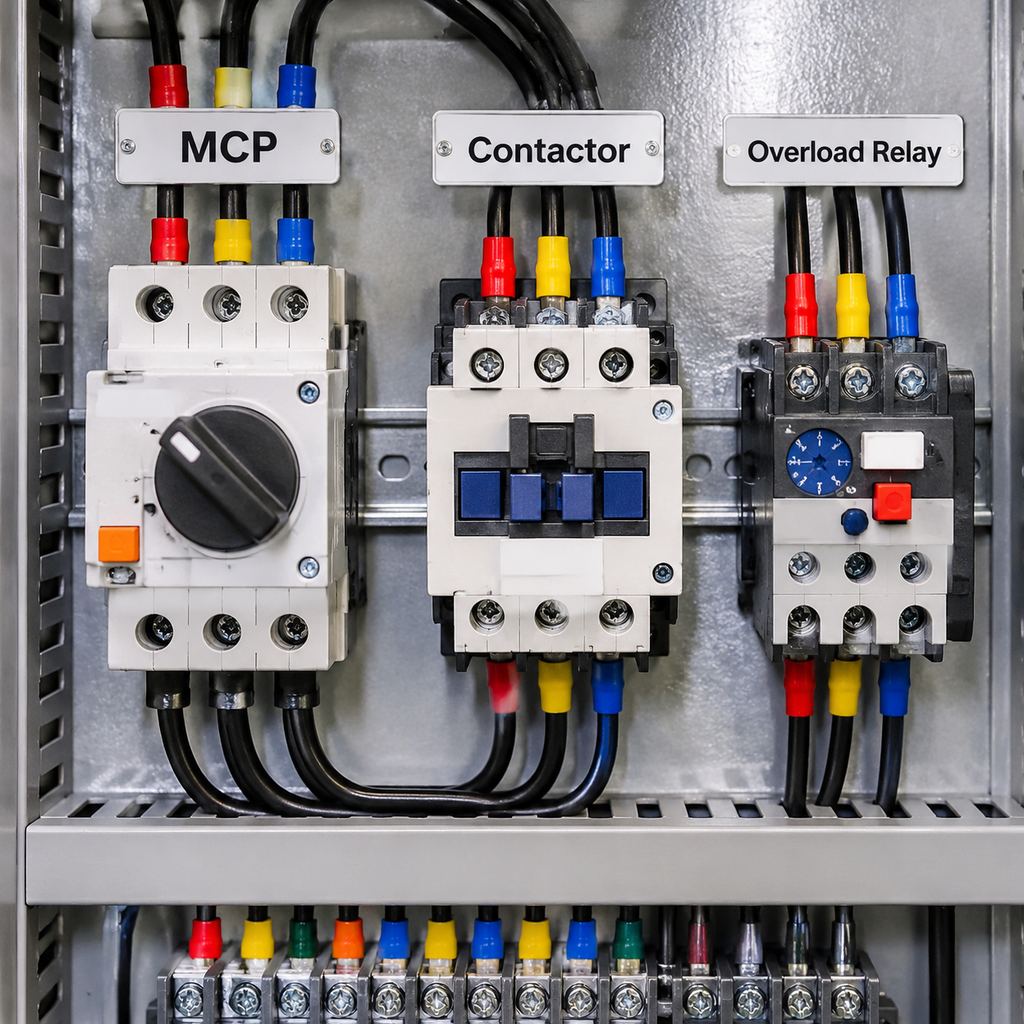
A typical combination starter: MCP (short-circuit protection), then the contactor (switching), then the overload relay (running protection).
What an MCP Does—and Doesn’t Do
- Does: trips instantly on high fault currents, such as phase-to-phase and phase-to-ground short circuits in the cable, terminal box or winding. The magnetic pickup is adjustable, so it can be set above the motor’s normal starting inrush and still clear real faults fast. It also often serves as the branch disconnect.
- Doesn’t: respond to moderate, sustained overcurrent. A motor drawing 120–150% of full-load current because of a jammed conveyor, a pump running off its curve or a clogged fan filter will not trip an MCP. Without an overload relay, the winding overheats while the MCP stays closed.
In North American practice (NEC Article 430), an MCP is accepted for branch short-circuit protection only as part of a listed combination motor controller that includes overload protection. IEC installations follow IEC 60947 coordination rules for the same pairing.
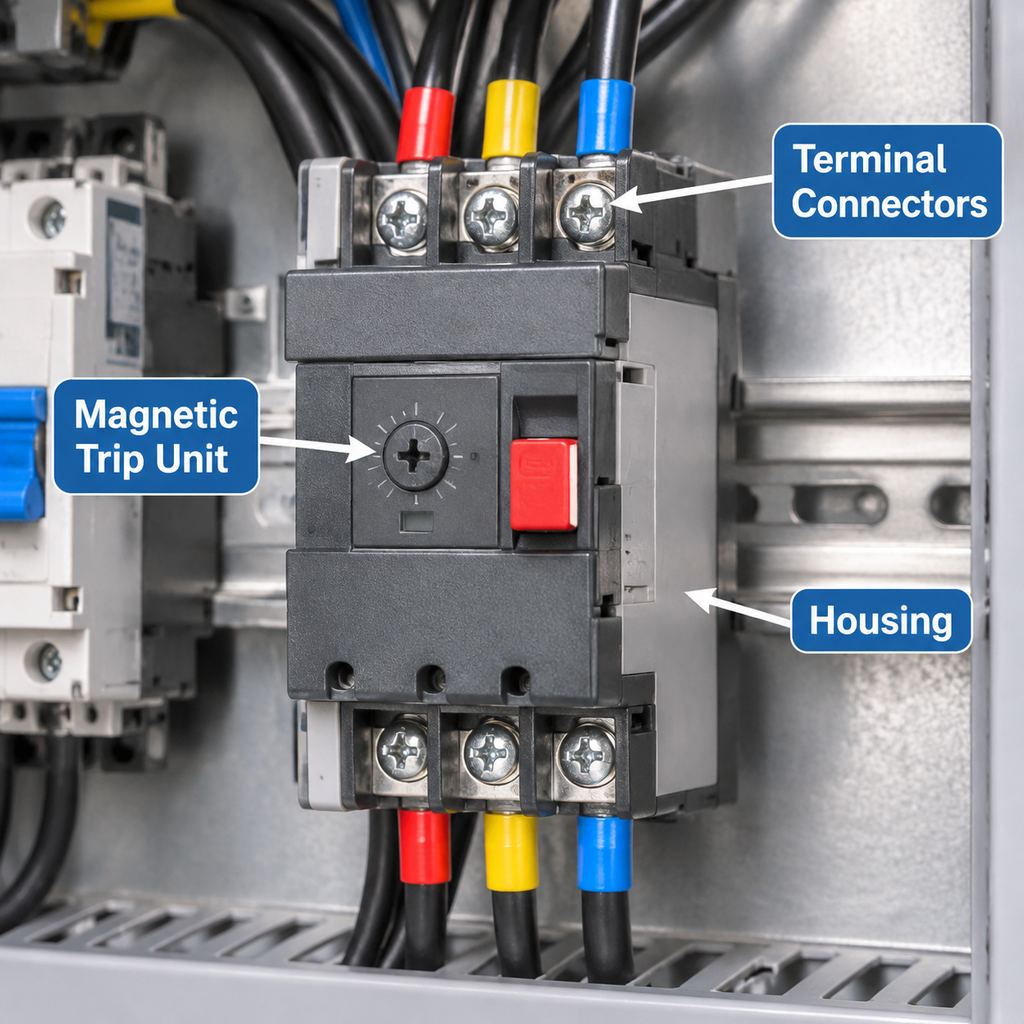
The MCP’s adjustable magnetic trip sets the instantaneous pickup level. There is no thermal element for overload.
Why Short-Circuit and Overload Protection Are Separate
Motor circuits face two very different threats. A short circuit produces fault current many times higher than normal within milliseconds and must be cleared instantly to limit damage and arc energy. An overload is a modest overcurrent that heats the winding over minutes. The protection has to tolerate the brief high current of a normal start and the short peaks of normal operation, yet trip before insulation temperature limits are exceeded.
A general-purpose thermal-magnetic breaker sized close enough to protect the motor thermally tends to trip during starting. Sized to ride through starting, it is too large to protect the motor against overload. Splitting the two jobs between the MCP (magnetic) and the overload relay (thermal time-current curve matched to the motor) solves this. A third device, the contactor, does the everyday switching.
MCP vs Thermal Overload vs MPCB vs MCB/MCCB
| Device | Short-circuit protection | Overload protection | Typical use | Notes |
|---|---|---|---|---|
| MCP (motor circuit protector) | Yes, adjustable instantaneous magnetic trip | No | Combination starters, larger motors, NEMA/NEC-style panels | Must be paired with an overload relay |
| Thermal / electronic overload relay | No | Yes, current setting plus trip class | Mounted with the contactor | Electronic types often add phase-loss and unbalance detection |
| MPCB (motor protection circuit breaker) | Yes | Yes, adjustable thermal setting | Compact IEC starters, small to medium motors | Combines both functions in one device; check its short-circuit breaking capacity against the site’s fault level |
| Ordinary MCB / MCCB (thermal-magnetic) | Yes | Generic cable protection, not motor-matched | Feeders, general loads | Can serve as the branch short-circuit device, but still needs a motor overload relay |
For an MCP vs thermal overload decision, the two aren’t alternatives. They complement each other. The real choice is between MCP + overload relay, an MPCB, or fuses + overload relay, based on motor size, fault level, standards and panel space.
Sizing and Setting: Principles From the Nameplate
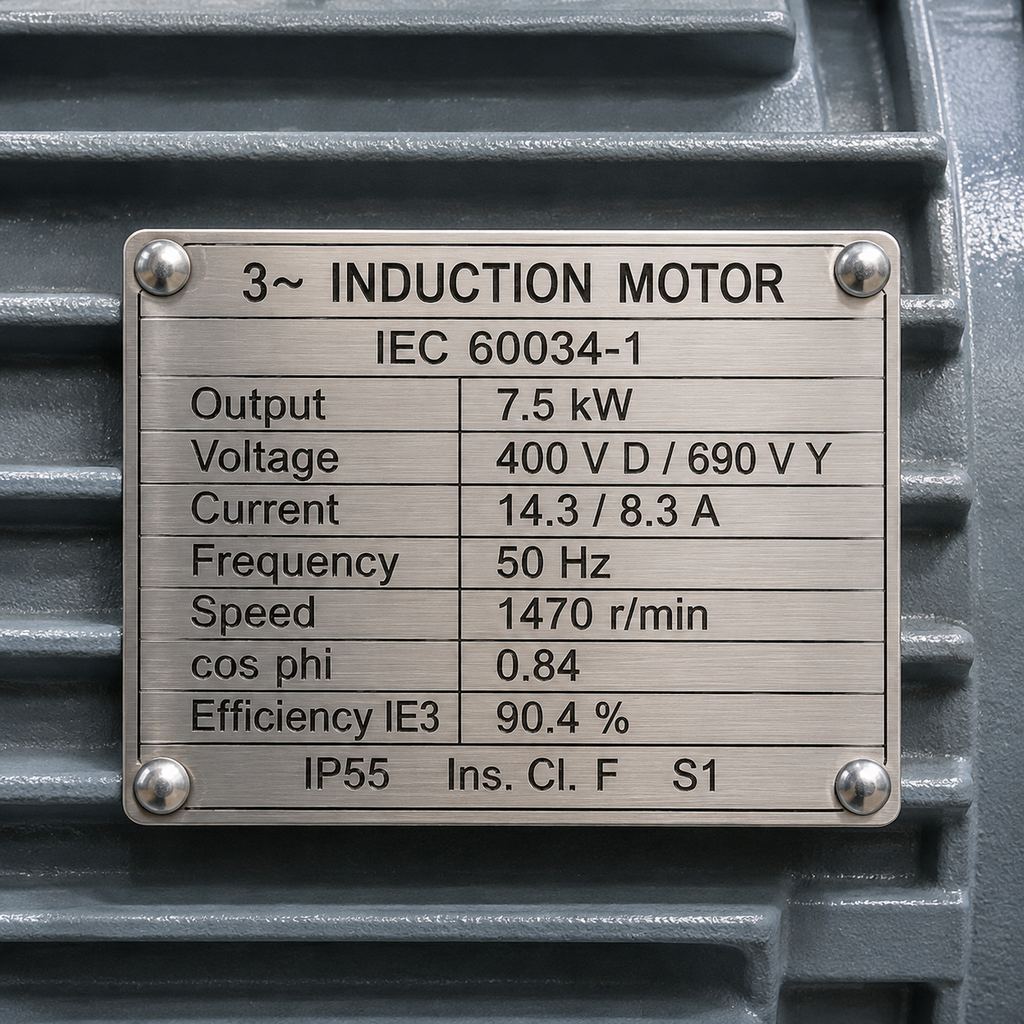
- Start from nameplate full-load amps (FLA) at the actual supply voltage and frequency. Don’t use the kW or hp rating alone. Note whether the motor is connected for the high or the low voltage on a dual-voltage nameplate, because FLA differs between the two.
- Overload setting: set it from nameplate FLA. Codes allow a somewhat higher setting when the nameplate service factor is above 1.0 or the rated temperature rise is lower. The exact percentages come from your local electrical code (NEC 430 in North America, the IEC/national rules elsewhere) and the relay maker’s instructions. See what is motor service factor for what the SF margin does and doesn’t mean.
- Trip class: choose a class (e.g. Class 10 or Class 20) that lets the motor start the driven load. High-inertia fans may need a slower class than pumps. Confirm that the motor’s locked-rotor withstand time is longer than the relay trip time.
- MCP magnetic setting: set it above the motor’s starting peak but as low as practical, within the maximum the code and the starter listing allow. Use the MCP maker’s tables or electronic auto-setting where available, and don’t guess multipliers.
- Coordination: check that the MCP or MPCB, contactor and overload relay are a tested combination with a short-circuit rating at least equal to the available fault current at the panel.
Common Nuisance Trips and Under-Protection
Nuisance tripping usually comes from an MCP magnetic pickup set too close to the starting peak (energy-efficient motors can have higher inrush peaks), an overload trip class too fast for a high-inertia load, a high ambient temperature inside the panel affecting thermal relays, or voltage dips that lengthen the start.
Under-protection is more dangerous because nothing visible happens until the winding fails. Typical causes:
- The overload set well above FLA to stop trips, or set to the motor’s kW rating rather than its current
- An MCP installed with no overload relay at all
- A relay without phase-loss sensitivity on a supply prone to blown fuses (see single phasing)
- Protection left unchanged after a motor was replaced with a different FLA
- No winding protection on motors with restricted cooling or frequent starts
PTC Thermistors as Supplementary Protection
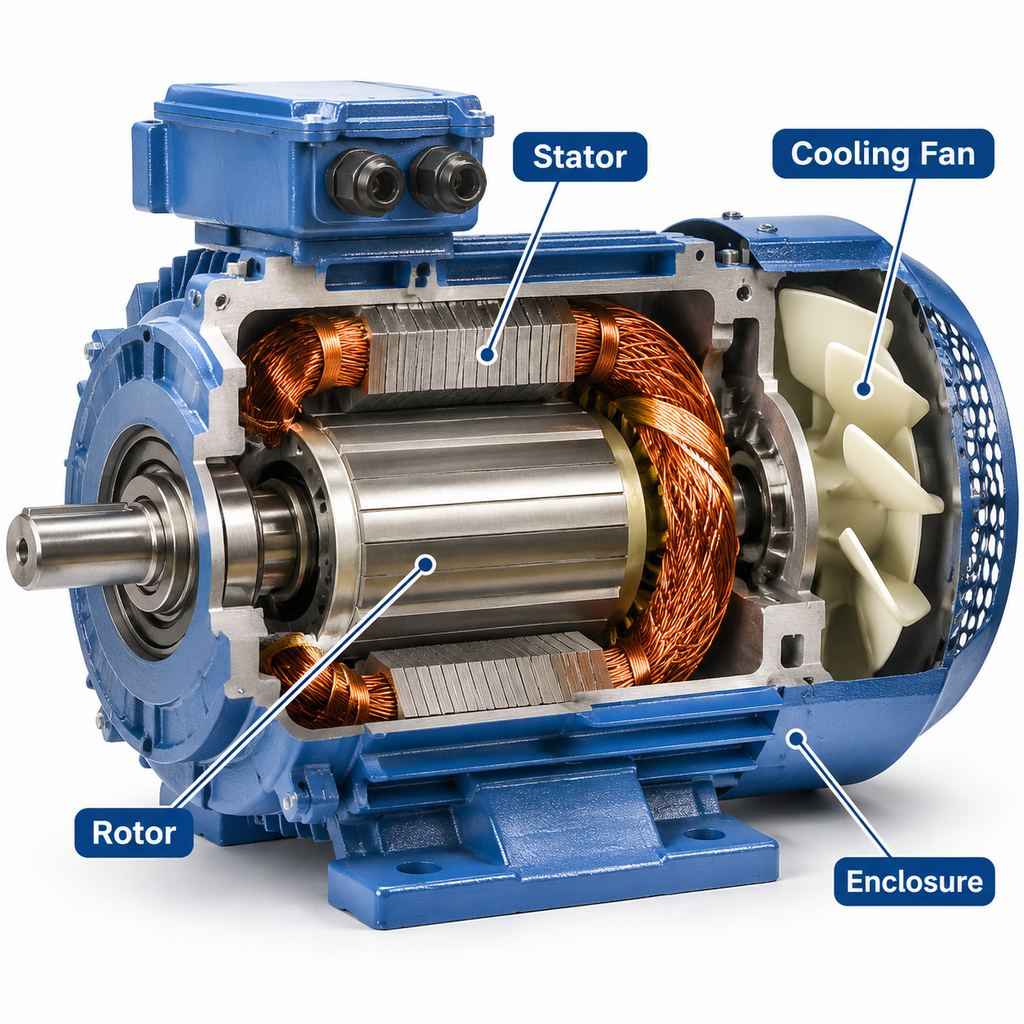
An overload relay estimates winding heating from current. It can’t see blocked cooling air, a high ambient temperature, frequent starting or extended low-speed operation on a drive. PTC thermistors embedded in the stator end windings measure temperature directly. Wired to a thermistor relay, they trip the contactor when the rated threshold is reached. They are a useful supplement for pumps in hot plant rooms, dusty conveyor drives, fans with variable airflow and VFD-fed motors. They complement current-based overload protection rather than replacing it. The trip temperature is chosen to suit the winding’s insulation class.
What to Tell the Motor Maker When Buying
Protection works only if the panel and the motor data match. When ordering cast-iron Y2, YE3 or YE4 three-phase motors from the general-purpose motors range, confirm:
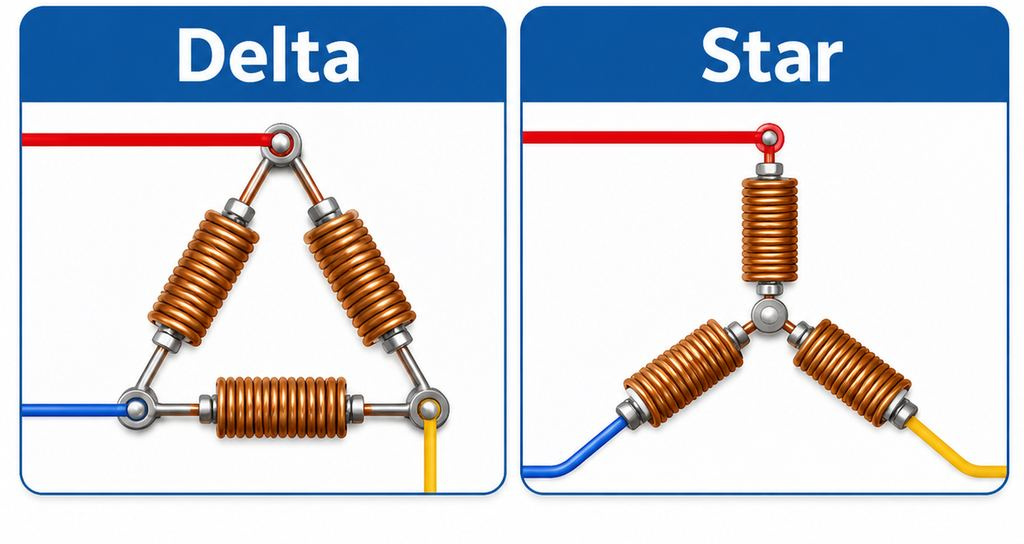
- Rated power (kW), voltage, frequency and connection (Δ/Y)
- Full-load current at your voltage, plus the starting current ratio from the datasheet
- Service factor required (1.0 or 1.15) and duty type (e.g. S1 continuous)
- Insulation class and permitted temperature rise
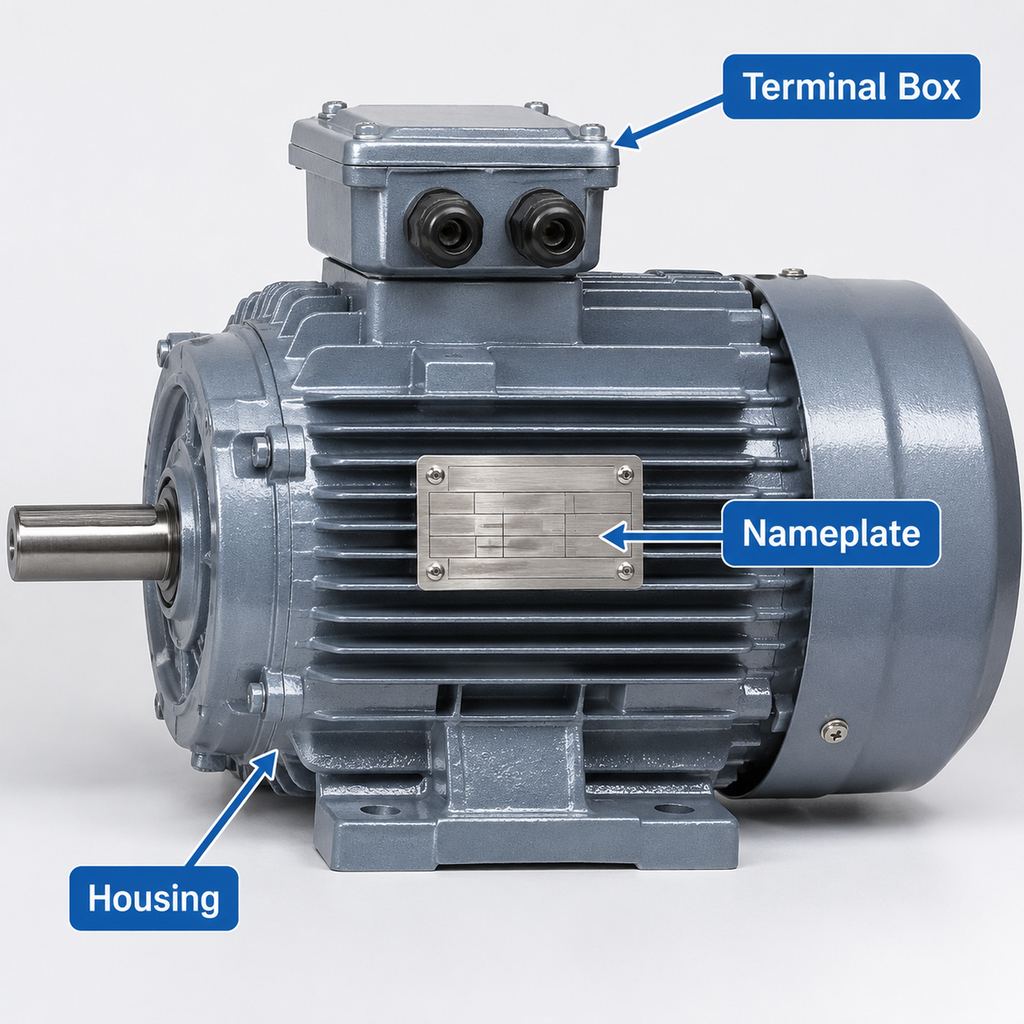
- Whether PTC thermistors (and their trip temperature) or other winding sensors are required, with leads brought into the terminal box
- Ambient temperature and altitude if they are outside standard conditions
- Whether the motor will be fed from a VFD
- Number of starts per hour for frequent-start duties
Non-standard requirements such as special voltages, sensor packages or terminal arrangements can be handled through customization.
Application Notes: Pumps, Fans, Conveyors
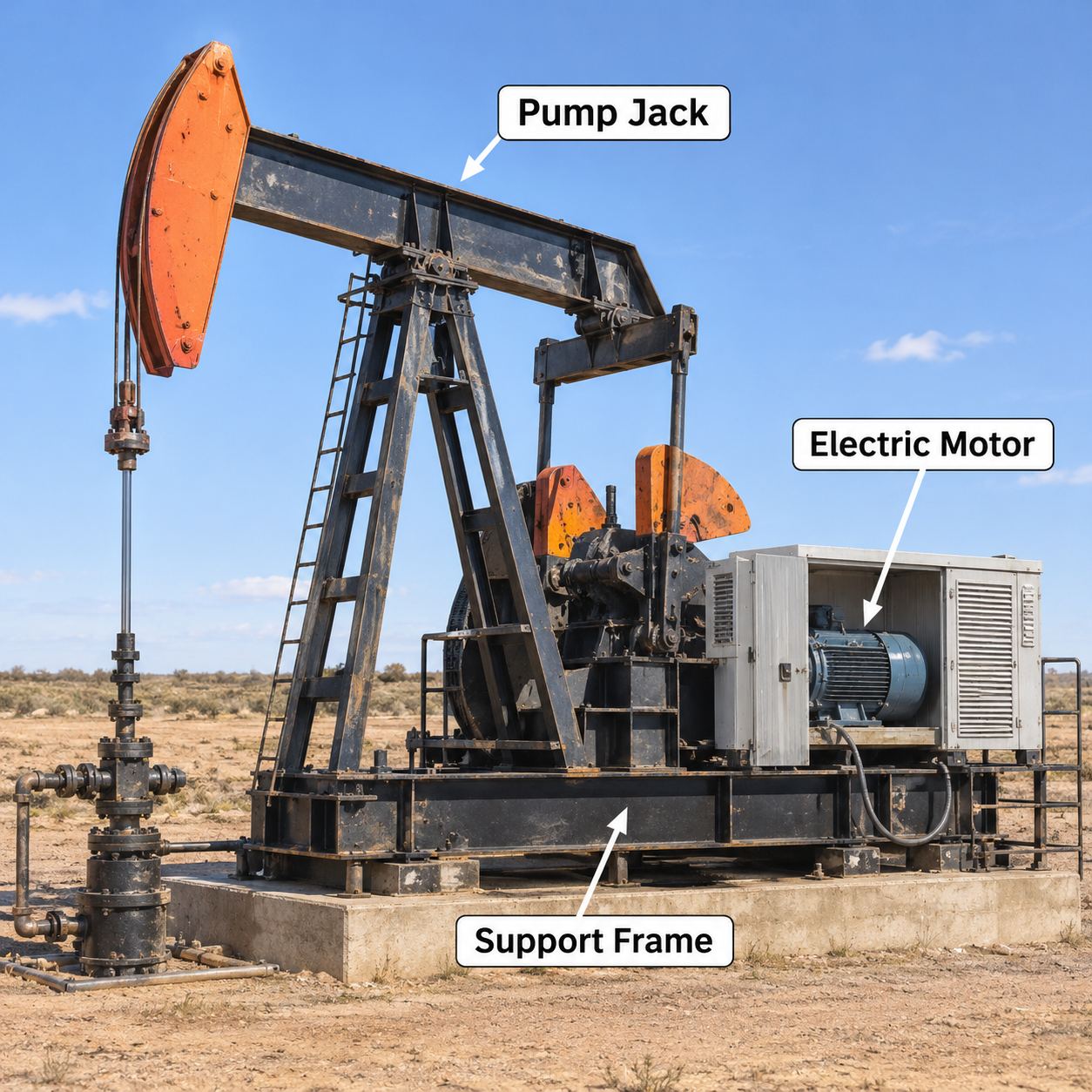
Water and wastewater pumps: long continuous runs and remote sites favor relays with phase-loss detection and, in hot pump rooms, PTC thermistors. Dry-run and blockage events typically appear as overload or underload, not as short circuits.
HVAC and ventilation fans: large fans take longer to reach speed, so check the trip class against acceleration time and the motor’s locked-rotor withstand time.
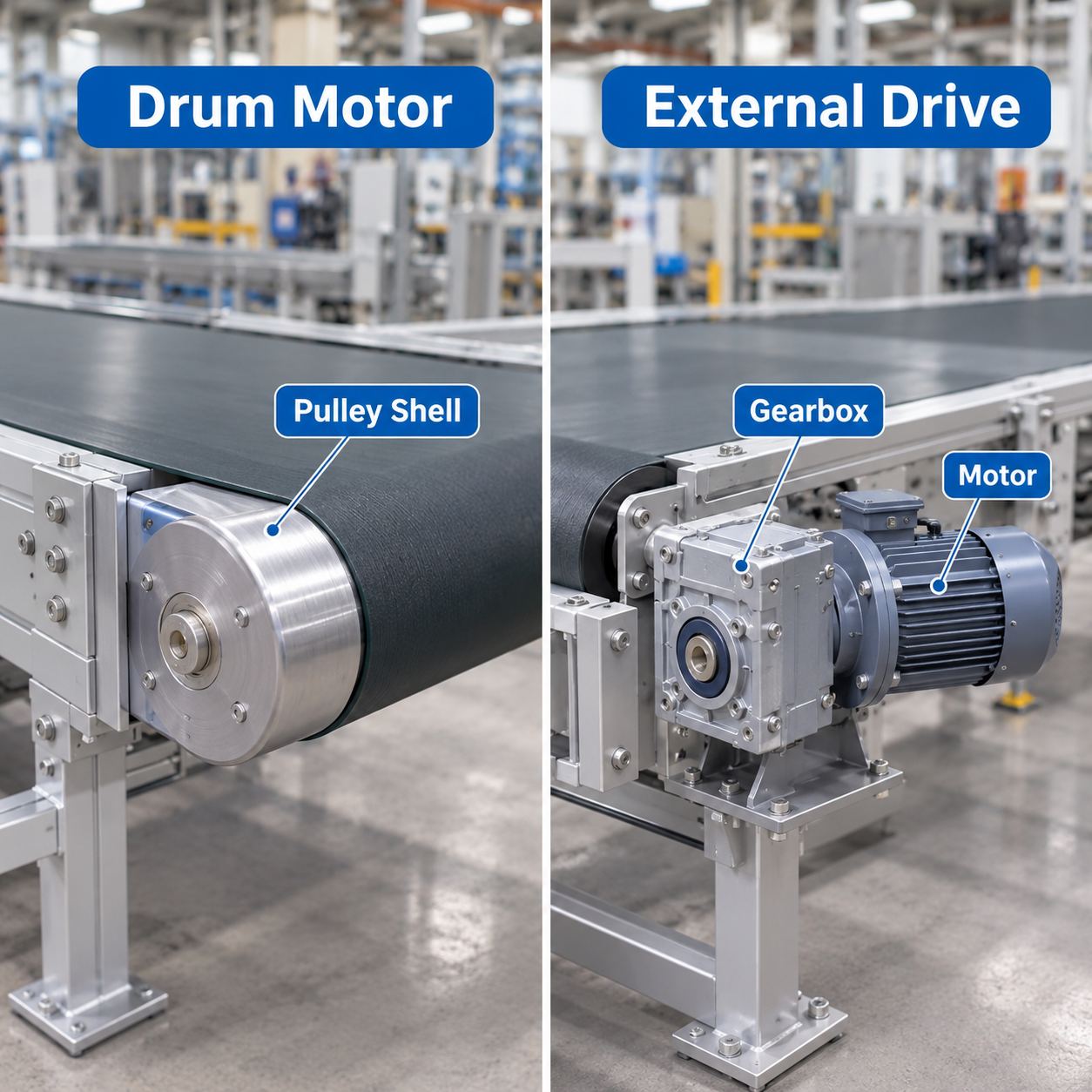
Conveyors and material handling: jams create sustained overloads that only the overload relay will catch. Repeated stop-starts add heat, which is a good case for PTC protection.
Browse the full range under all products.
FAQ
What is a motor short circuit protector?
Usually it means an MCP: a magnetic-only breaker that clears short circuits in a motor branch circuit and relies on a separate overload relay for running protection.
MCP vs thermal overload: do I need both?
Yes, unless you use a device that combines both functions, such as an MPCB. The MCP handles faults and the overload relay handles sustained overcurrent.
What is a motor protection circuit breaker (MPCB)?
A single device with adjustable thermal overload and magnetic short-circuit protection, common in compact IEC motor starters. Check its breaking capacity against the site’s fault level.
Can an MCP protect against phase loss?
No. Phase loss needs an overload relay with phase-loss sensitivity or a dedicated phase-monitoring relay.