Understanding TEFC Motors
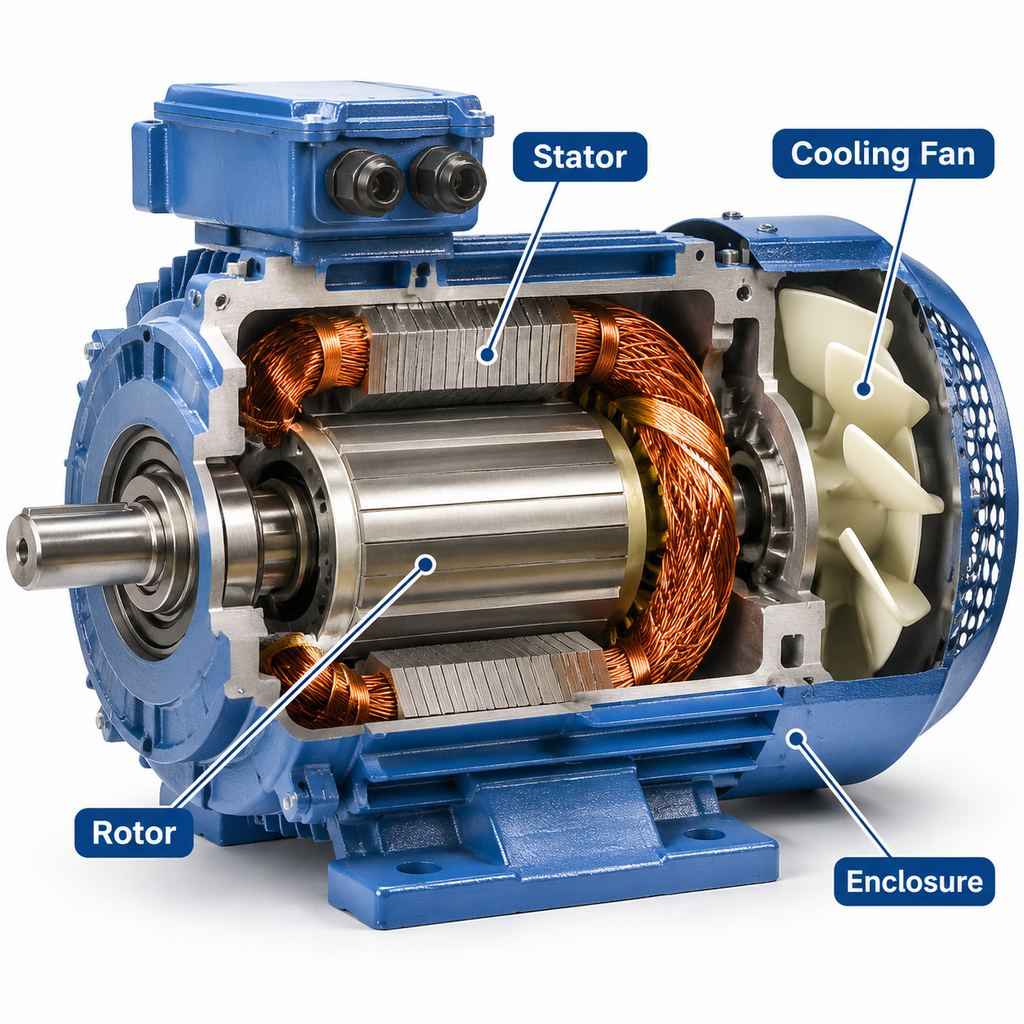
A Totally Enclosed Fan-Cooled (TEFC) motor is an electric motor designed with a sealed enclosure to prevent the exchange of air between the motor’s interior and the external environment. This design protects internal components from dust, dirt, and moisture, making it highly durable for a wide range of industrial applications. An external fan attached to the motor provides cooling by directing airflow over the exterior surface of the motor housing. This ensures efficient heat dissipation while maintaining the enclosure’s protective integrity. TEFC motors are commonly used in industries requiring robust and reliable performance in moderately harsh operating conditions. Their versatility and protective design make them a popular choice for pumps, fans, compressors, and conveyors in manufacturing, agriculture, and general-purpose settings.
Construction and Design of TEFC Motors
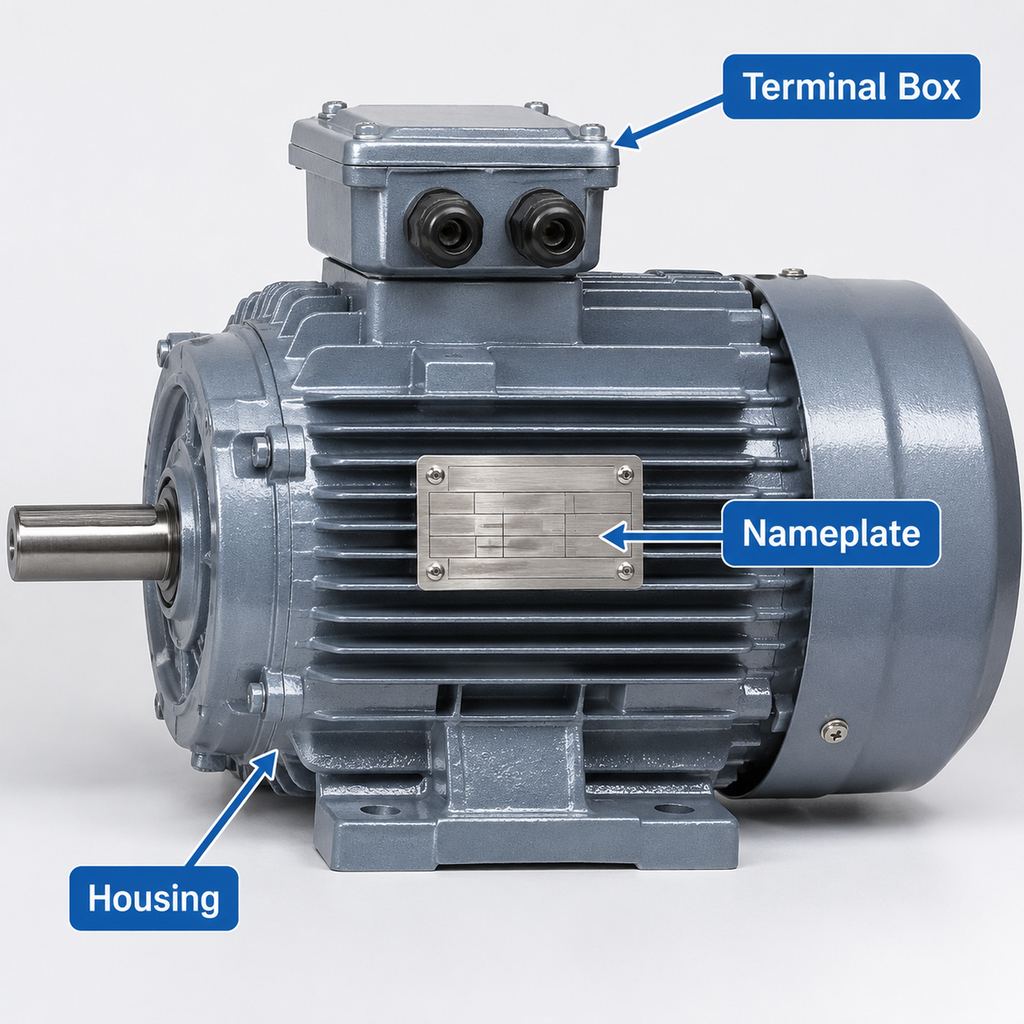
At the core of a TEFC (Totally Enclosed Fan-Cooled) motor’s construction is its robust enclosure, designed to prevent the ingress of external contaminants such as dust, dirt, and moisture. This critical feature enhances the motor’s reliability and longevity, especially in industrial environments where exposure to harsh conditions is common. The enclosure is not completely airtight but is engineered to stop the free exchange of air between the internal components and the external surroundings, thus providing an added layer of protection without compromising performance.
A key feature of the TEFC design is the external cooling fan, which is typically mounted to the motor shaft and surrounded by a protective shroud. As the motor operates, the fan rotates and blows air over the external surface of the motor housing, ensuring adequate heat dissipation. This external cooling mechanism is particularly important because it prevents overheating while maintaining the interior of the motor entirely sealed off. The fins on the outer housing further enhance the cooling efficiency by increasing the surface area available for heat transfer.
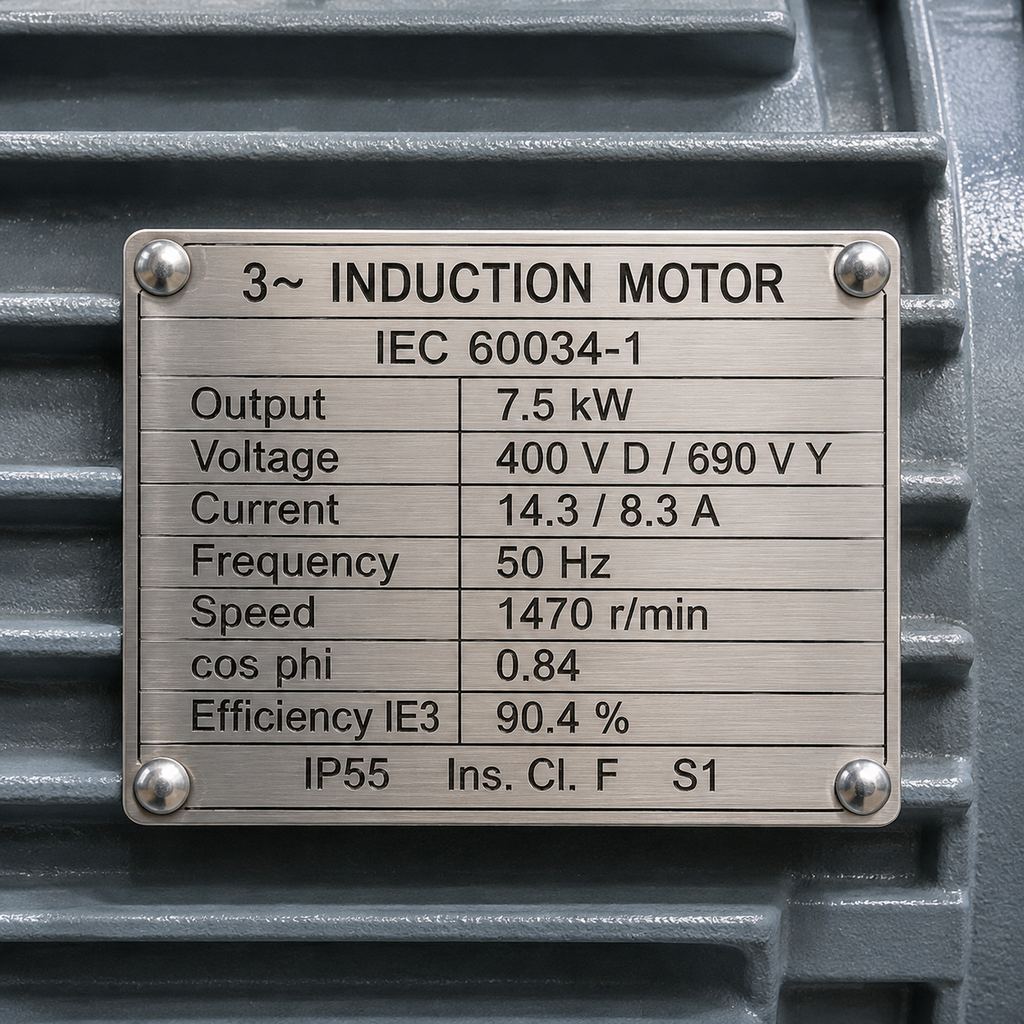
The materials used in TEFC motor construction contribute to their durability. Cast iron or heavy-duty aluminum is common for the housing as these materials offer excellent thermal conductivity and resistance to mechanical stresses. Inside the enclosure, the windings are usually insulated with materials rated for high temperatures, such as Class F insulation, which ensures reliability under continuous operation in demanding applications.
In terms of design standards, TEFC motors are often built to comply with IP55 or higher degrees of ingress protection according to IEC classifications. This means they are resistant to water jets and dust ingress, making them suitable for applications in damp or moderately hazardous locations. These features collectively define the TEFC motor as a workhorse in industrial settings, balancing durability, and performance without necessitating excessive maintenance.
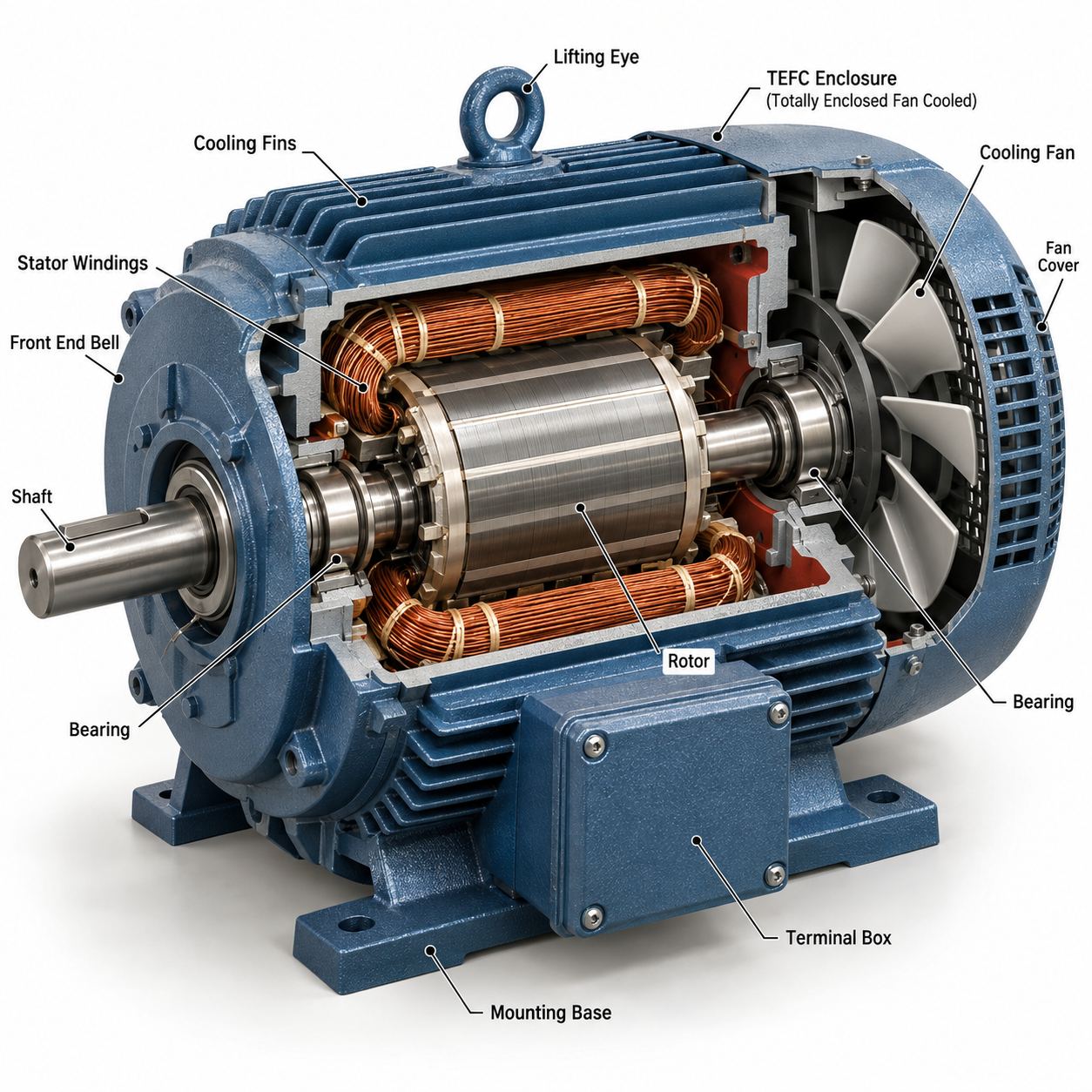
Cutaway view of a TEFC motor with fan and cooling fins highlighted.
Common Applications of TEFC Motors
- Industrial environments: TEFC motors are ideal for use in manufacturing facilities, where dust, debris, and moisture are prevalent. Their sealed construction ensures long-lasting performance despite exposure to contaminants.
- Pumping systems: TEFC motors are widely used in water and wastewater treatment plants, agricultural irrigation systems, and process industries for driving pumps that handle fluids.
- HVAC applications: These motors power fans, blowers, and compressors in heating, ventilation, and air conditioning systems, where their cooling capabilities are crucial for maintaining optimal temperature control.
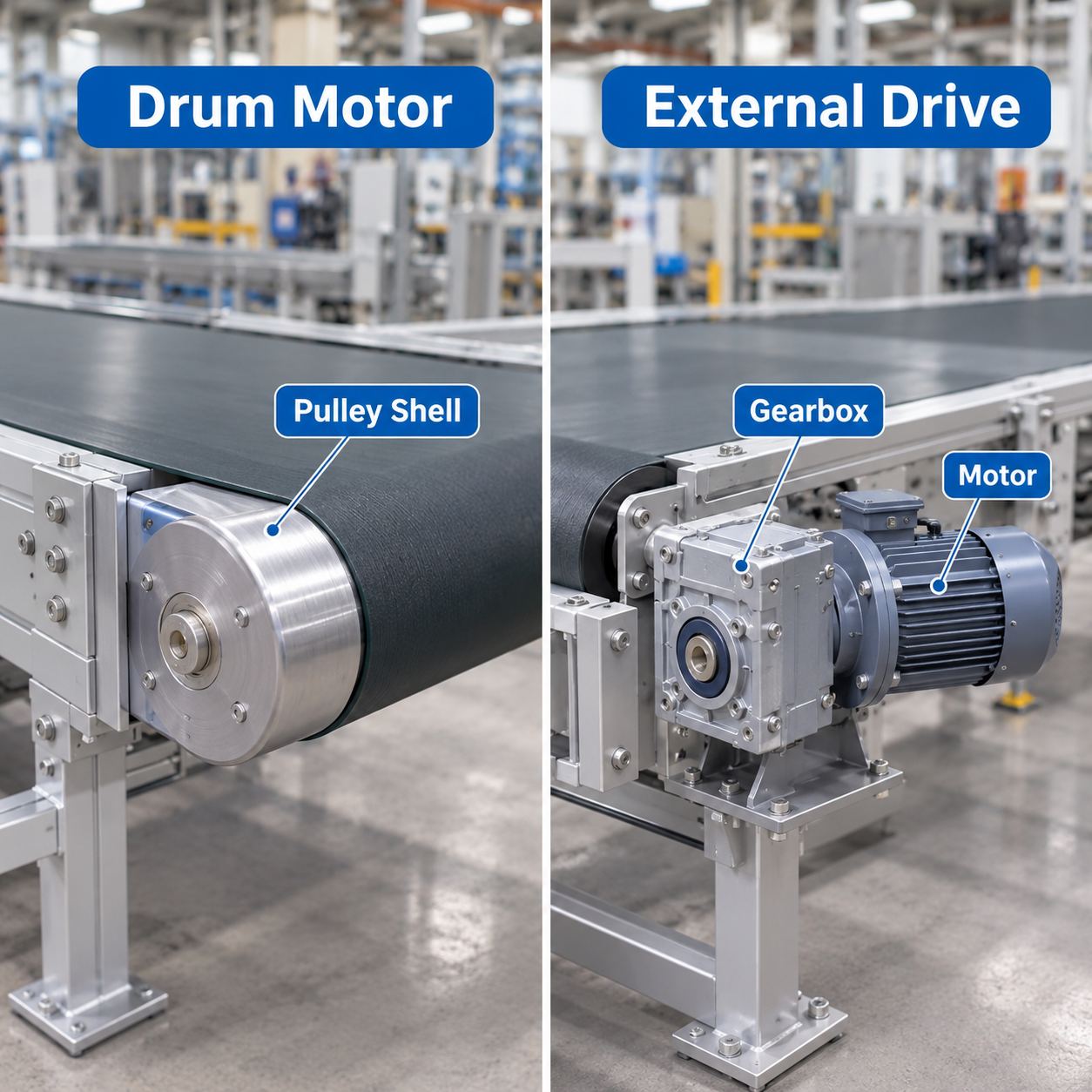
- Material handling: Conveyor belts and heavy-duty moving equipment in manufacturing plants often rely on TEFC motors due to their ability to resist dust and wear.
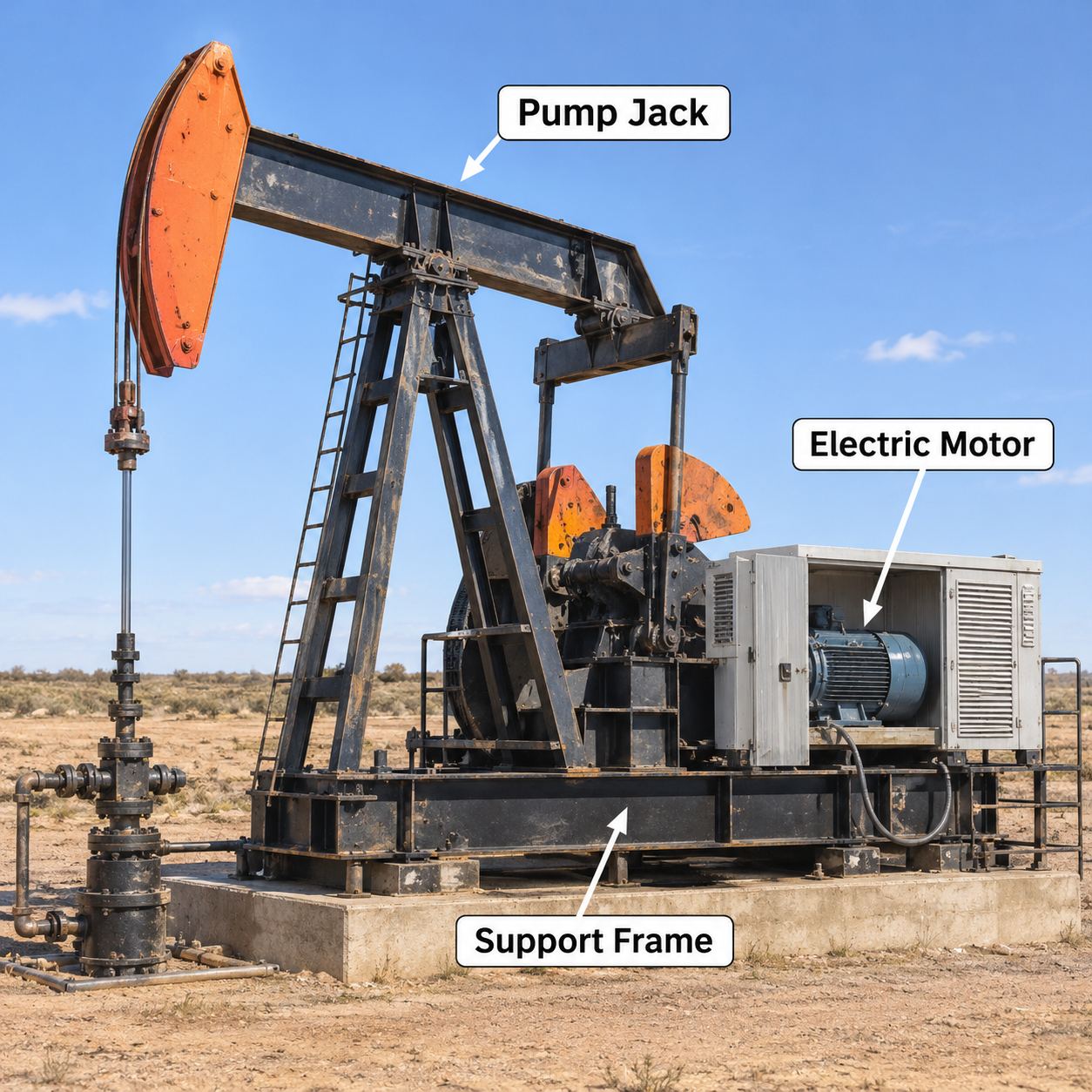
- Outdoor applications: TEFC motors perform well in outdoor settings, such as quarrying and mining, where they are exposed to harsh environmental conditions like rain, dirt, and temperature extremes.
- Agricultural machinery: From grain dryers to water pumps, TEFC motors are commonly employed in agriculture for their durable design and ability to withstand demanding environmental challenges.
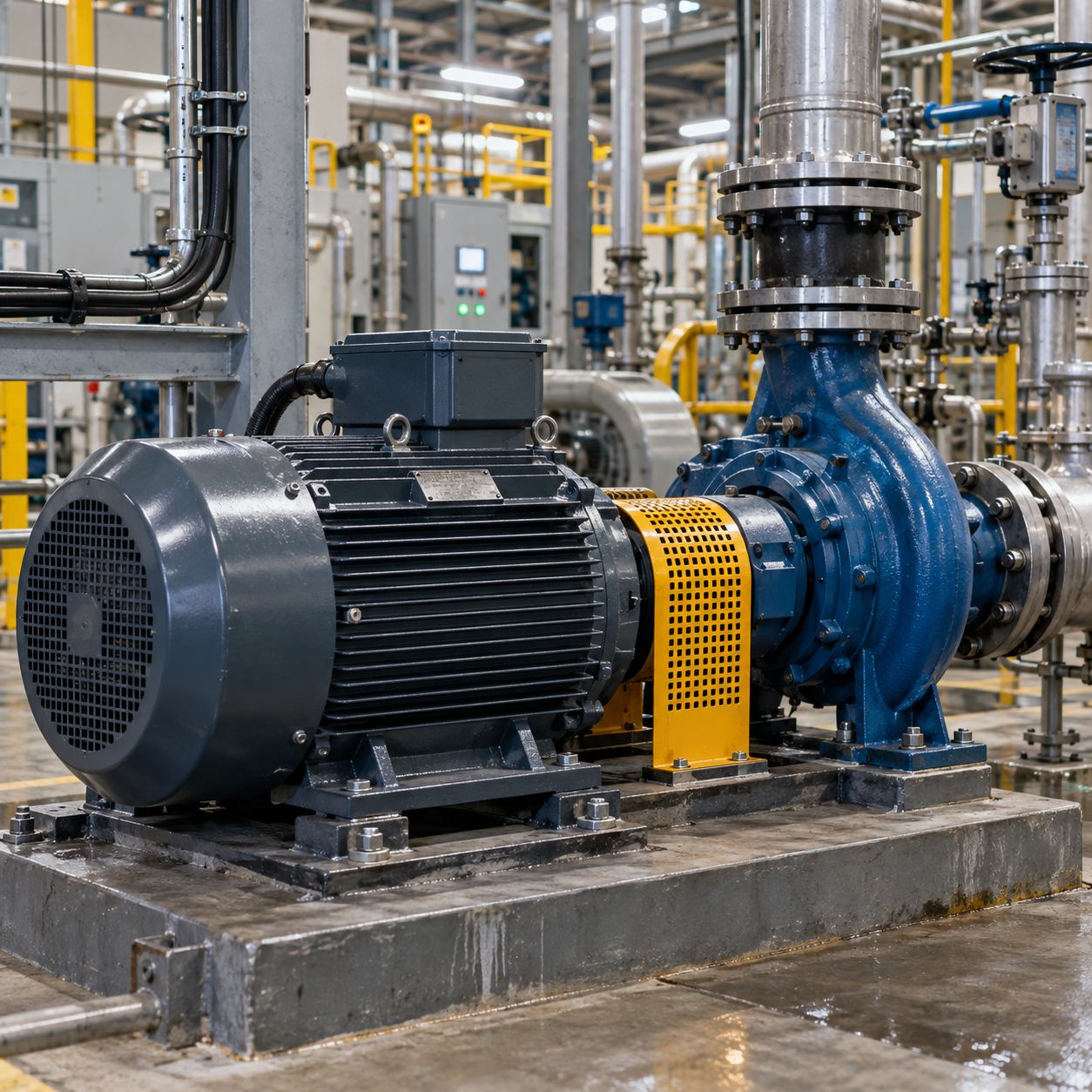
TEFC motor powering an industrial pump in a factory.
TEFC vs. Other Motor Types
TEFC motors are distinct from other motor types like Open Drip-Proof (ODP) and Explosion-Proof motors due to differences in enclosure design, cooling mechanisms, and applications. Their sealed enclosure and external fan make them well-suited for moderately harsh industrial and outdoor environments, providing protection against contaminants while effectively managing heat. This durability positions TEFC motors between the less robust ODP motors, which are limited to clean and dry indoor use, and the more costly Explosion-Proof motors, designed for hazardous areas. When choosing a motor, consider your specific application needs, environmental conditions, and budget to determine the most suitable option.
| Feature | TEFC Motors | Open Drip-Proof (ODP) Motors | Explosion-Proof Motors |
|---|---|---|---|
| Enclosure Type | Totally enclosed; blocks out external contaminants like dust, dirt, and moisture | Vents for airflow; more exposed to dust and moisture | Sealed and designed to contain any internal explosions |
| Cooling Mechanism | External fan blows air over the external housing for heat dissipation | Relies on internal air circulation and vented openings | Varies; often limited cooling options to maintain safety standards |
| Environmental Suitability | Moderately harsh environments like manufacturing, agriculture, or outdoor applications | Clean, dry, and indoor environments | Hazardous locations with flammable gases, vapors, or dust |
| Cost | Moderately priced; balanced between ODP and explosion-proof options | Lower cost due to simpler construction | Higher cost due to robust safety features |
| Common Applications | Pumps, compressors, HVAC systems, agricultural machinery, conveyor belts | Indoor machinery in clean environments like office HVAC systems | Chemical plants, oil & gas facilities, grain silos |
Frequently Asked Questions about TEFC Motors
What does TEFC stand for?
TEFC stands for “Totally Enclosed Fan-Cooled,” describing a motor enclosure type. This design prevents external air, along with dust, moisture, and other contaminants, from entering the motor. An external fan circulates air over the motor’s housing to dissipate heat during operation.
What industries typically use TEFC motors?
TEFC motors are widely used in industries like manufacturing, agriculture, mining, and wastewater treatment. Their sealed enclosure and external fan make them ideal for environments with dust, debris, or moisture, and for applications like pumps, fans, conveyor systems, and outdoor machinery.
How do you maintain a TEFC motor?
Routine maintenance for a TEFC motor involves cleaning the external fan and housing fins to ensure proper cooling, inspecting electrical connections, and monitoring vibration levels. Regularly lubricating bearings and checking for any abnormal noise or overheating are also crucial for extending its service life.