Understanding Squirrel Cage Induction Motors
The squirrel cage induction motor is one of the most widely used electric motor designs in industrial applications. Renowned for its simplicity, reliability, and cost-effectiveness, it is a key component in driving machinery such as pumps, fans, compressors, and conveyors. Its name derives from the construction of its rotor, which resembles a cage-like structure made from conductive bars connected by end rings. This robust design offers advantages like minimal maintenance requirements, high efficiency, and the ability to function under demanding conditions with consistent performance. By leveraging electromagnetic induction principles to create rotational motion, squirrel cage induction motors have become a cornerstone of modern industry, particularly for continuous-duty applications.
What Is a Squirrel Cage Induction Motor?
A squirrel cage induction motor is a type of AC (alternating current) motor known for its distinctive rotor design and robust performance. The motor derives its name from its rotor, which is made up of conductive bars—typically aluminum or copper—that are arranged parallel to the axis of rotation and connected at both ends by circular conductive rings. This construction resembles a squirrel cage, giving the motor its name.
The essential components of the squirrel cage induction motor include:
- Rotor: The rotor consists of the squirrel cage structure, designed to produce a rotating magnetic field when energized. Unlike wound rotor motors, it does not use brushes or slip rings, which makes it more reliable and practically maintenance-free.
- Stator: Surrounding the rotor is the stator, which contains insulated copper or aluminum windings. When alternating current flows through the stator windings, it creates a dynamic magnetic field that induces current in the rotor bars.
- End Rings and Bearings: The end rings electrically connect the conductive bars, completing the rotor’s circuit and enabling the flow of current. Bearings are installed to support the rotor and allow its smooth rotation within the stator.
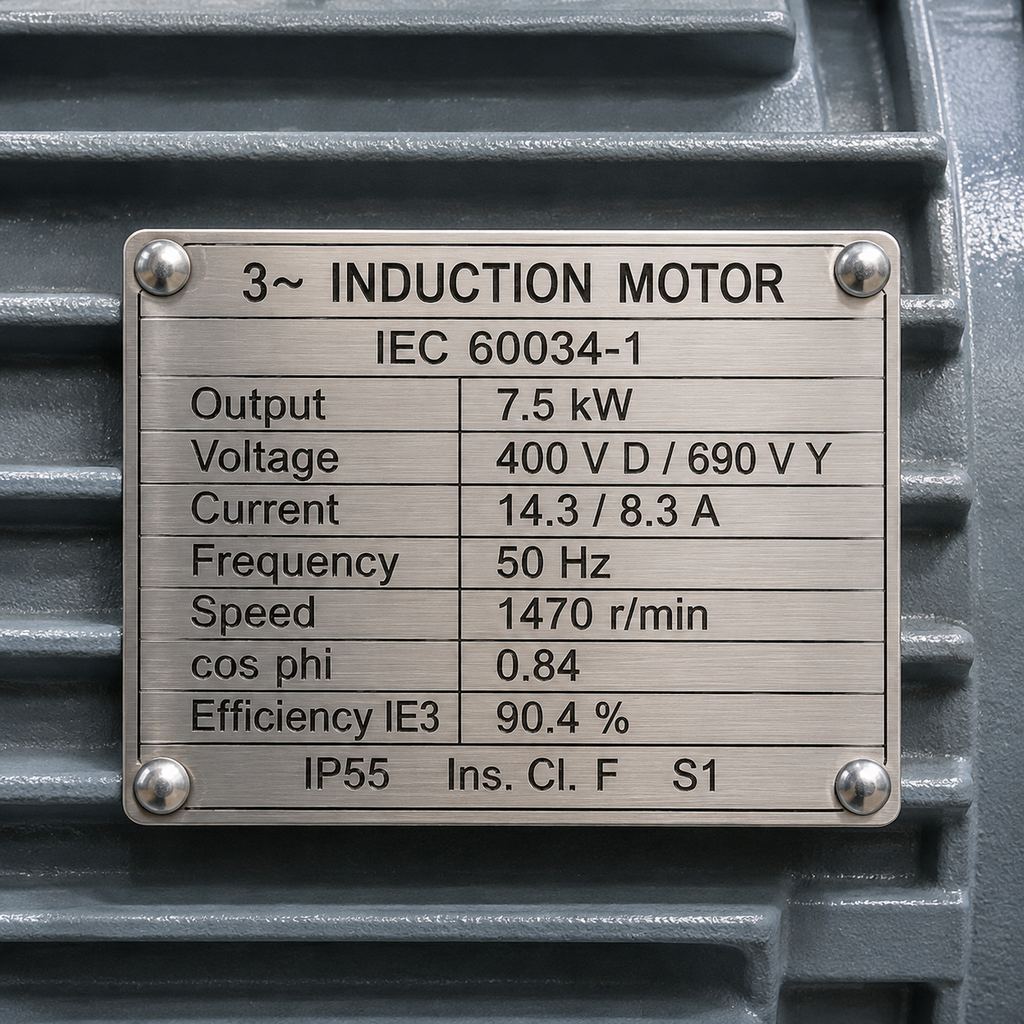
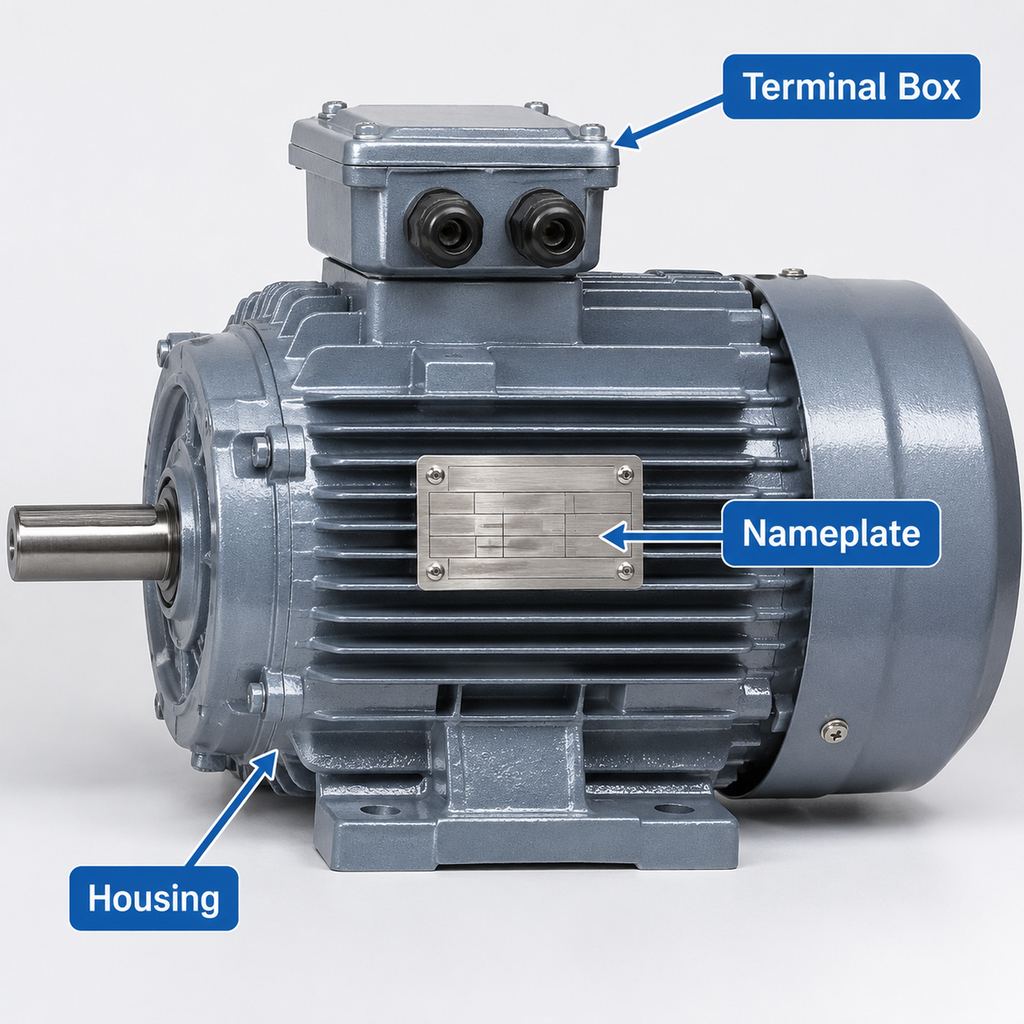
- Housing: The motor housing (commonly made of cast iron or aluminum) protects internal components and often includes cooling fins to dissipate heat. Additional features such as seals and gaskets help achieve protection ratings (e.g., IP55) useful in industrial environments.
These motors are recognized for their durability, cost-effectiveness, and adaptability to a wide range of applications, particularly in industrial settings requiring continuous operation. Simplified construction also translates to a longer lifespan and lower maintenance costs compared to other motor types, making the squirrel cage induction motor a preferred choice for many buyers and engineers.
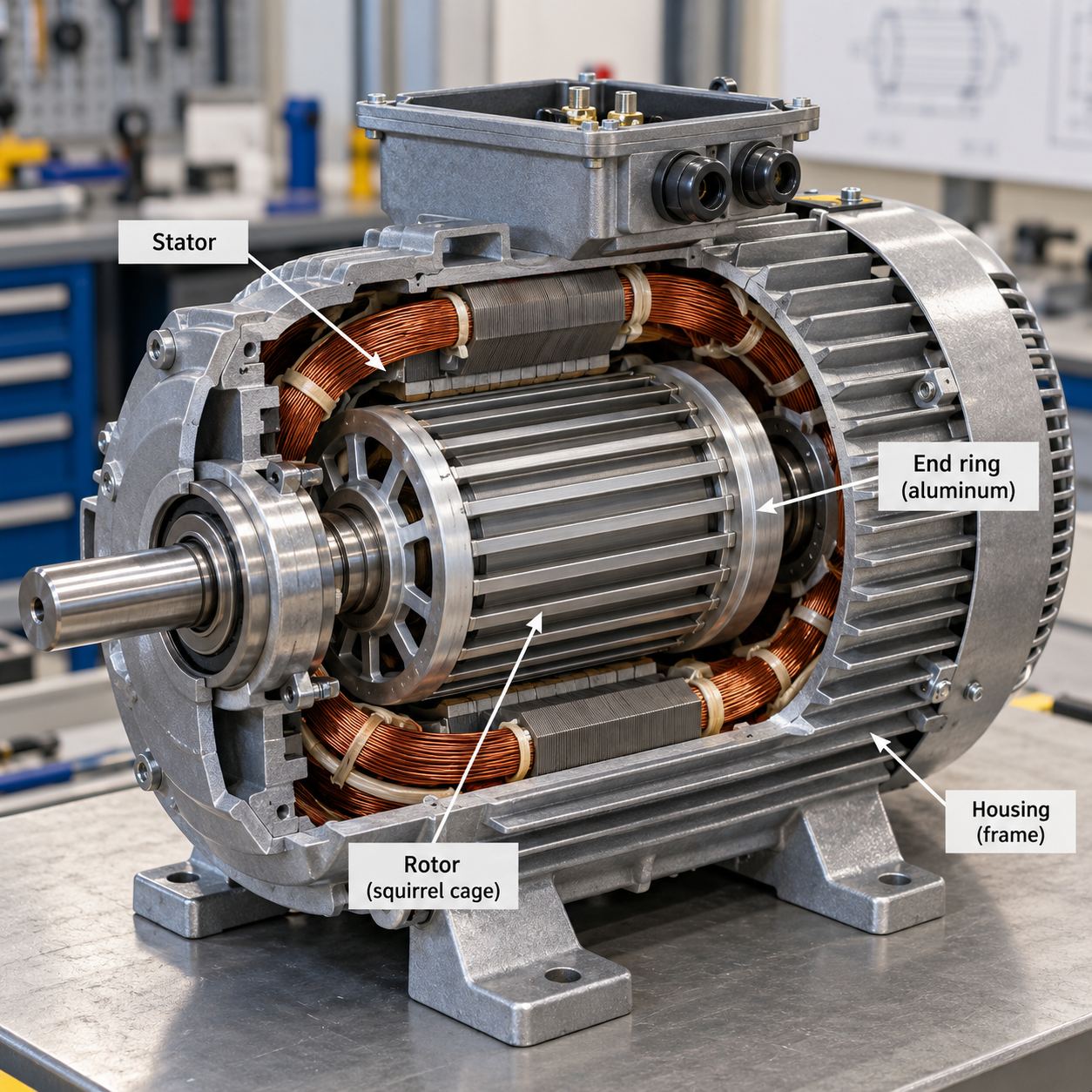
Annotated diagram of a squirrel cage induction motor’s components.
How Does a Squirrel Cage Induction Motor Work?
- Alternating current (AC) is applied to the stator windings of the motor, which are strategically arranged in slots to create a rotating magnetic field.
- The rotating magnetic field induces an electromotive force (EMF) in the rotor’s conductive bars through electromagnetic induction, as per Faraday’s law of induction.
- The induced EMF generates currents in the rotor bars, creating its own magnetic field that interacts with the stator field.
- This interaction produces a torque that causes the rotor to follow the rotating magnetic field, resulting in mechanical rotation.
- The rotor always operates at a speed slightly less than the speed of the stator’s magnetic field, known as “slip,” which is essential to maintain induction and drive the motor.
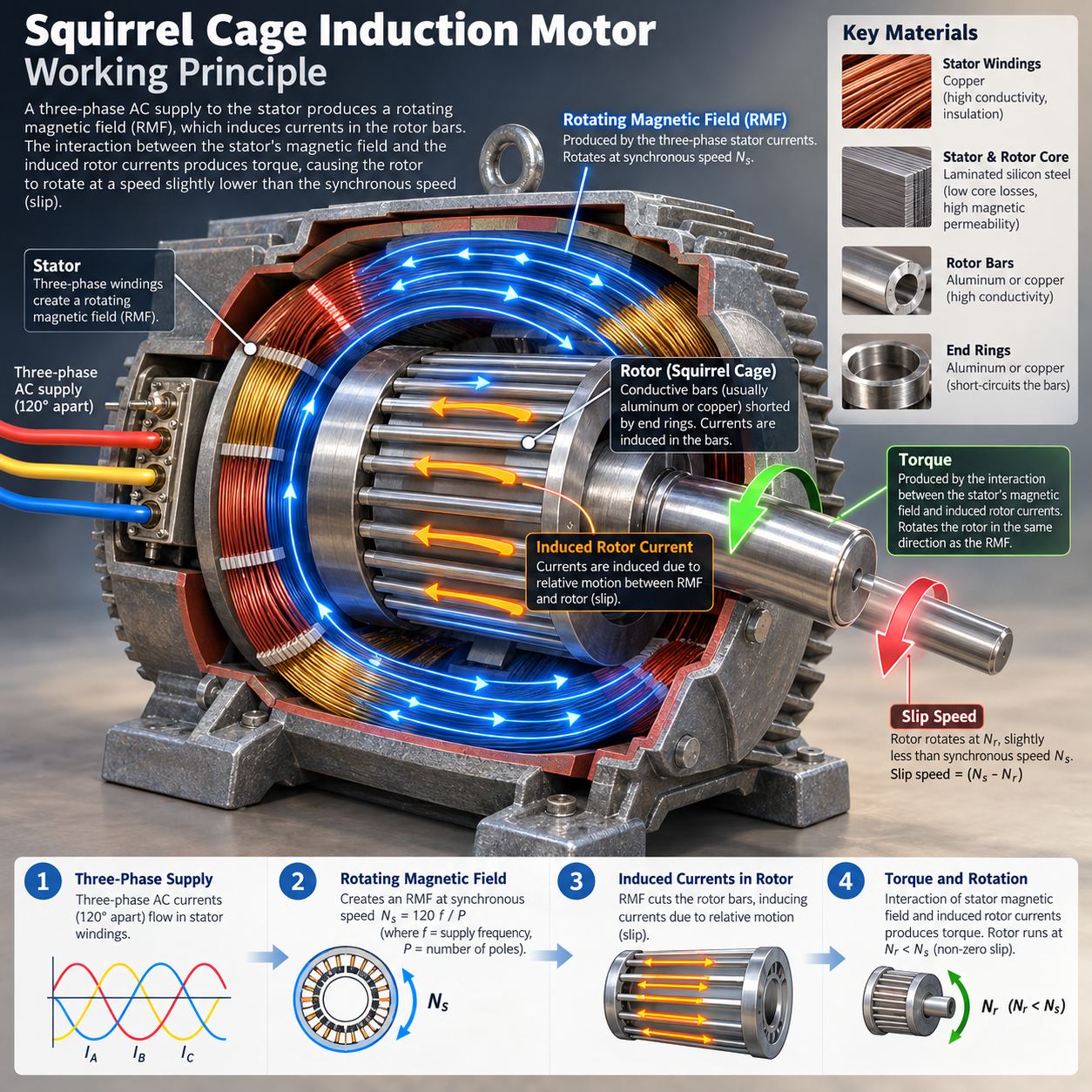
Illustration of magnetic field interaction in a squirrel cage induction motor.
Key Features of Squirrel Cage Induction Motors
- Durable Rotor Construction: The rotor of a squirrel cage induction motor features a robust, cage-like design made of conductive materials, typically aluminum or copper. This construction ensures reliable operation under harsh industrial conditions while minimizing maintenance requirements.
- No Brushes or Slip Rings: Unlike wound rotor motors, squirrel cage induction motors eliminate the need for brushes or slip rings, enhancing operational simplicity and reducing wear-and-tear over time.
- High Efficiency and Reliability: These motors are highly efficient due to their optimized design and straightforward construction, making them ideal for continuous-duty applications where downtime is costly.
- Cost-Effectiveness: Squirrel cage induction motors are relatively inexpensive to produce and maintain. They balance performance with affordability, making them a favored choice in industrial environments.
- Wide Application Range: Their versatility enables use across a variety of industries and equipment, such as pumps, fans, conveyors, and compressors, ensuring consistent performance even in demanding scenarios.
Frequently Asked Questions
What is a squirrel cage induction motor?
A squirrel cage induction motor is an alternating current (AC) motor characterized by its rotor design, which features conductive bars arranged like a cage, connected by end rings. Widely used in industrial applications, it is valued for its durability, simple construction, and low maintenance requirements.
How does the rotor in a squirrel cage motor generate motion?
The stator of the motor creates a rotating magnetic field when supplied with AC power. This magnetic field induces currents in the rotor’s conductive bars, which then generate their own magnetic field. The interaction between these fields produces torque, causing the rotor to spin.
How is a squirrel cage induction motor different from a slip ring motor?
Unlike slip ring motors, squirrel cage motors do not use external resistors or slip rings for rotor circuit control. This design simplifies maintenance and improves reliability, although it limits the ability to vary starting torque and speed.
What maintenance does a squirrel cage induction motor require?
Due to its brushless design and robust construction, maintenance is minimal. Regular checks for bearing lubrication, vibration, and winding insulation integrity are typically sufficient for long-term reliable performance.
Applications of Squirrel Cage Induction Motors
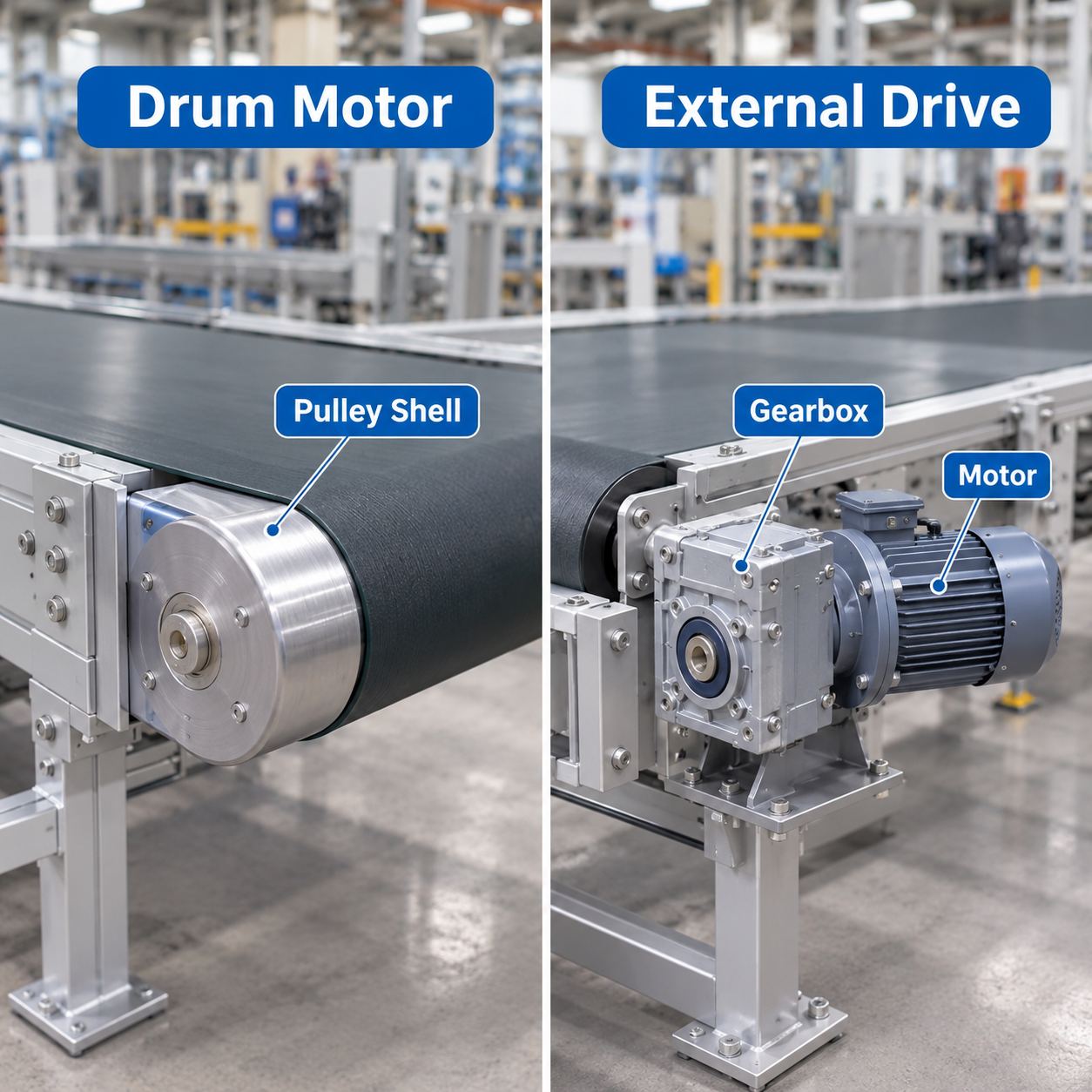
Squirrel cage induction motors are integral to a wide range of industrial applications due to their robustness, efficiency, and versatile performance. These motors are commonly employed in continuous-duty operations such as driving pumps, fans, compressors, and conveyor systems. Their durability and low-maintenance design make them an ideal choice in environments where reliability and uptime are critical.
In the manufacturing sector, squirrel cage motors power assembly lines, mixers, and material handling equipment. Industries like water treatment and HVAC rely on these motors for consistent operation of pumps and blowers. Additionally, their ability to withstand harsh conditions makes them a preferred solution in mining, where they drive crushers, conveyor belts, and ventilation systems.
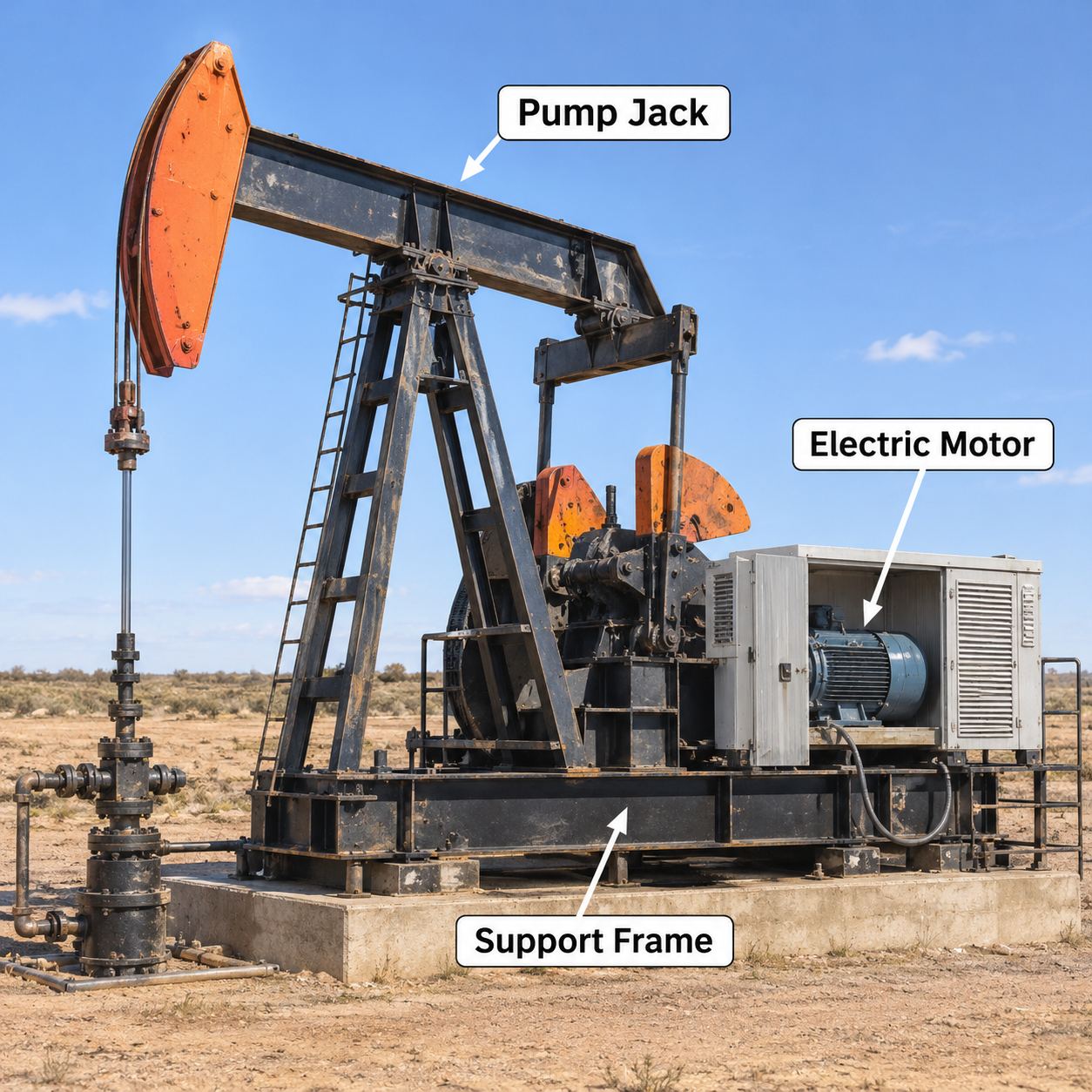
Squirrel cage induction motors are also widely used in energy-intensive applications, including chemical plants and oil refineries, driving compressors, agitators, and extruders. Their cost-effectiveness and efficiency make them an excellent fit for operations looking to balance performance with energy savings. Engineers and buyers in these industries often prioritize motors that comply with IEC standards and match specific efficiency classifications like IE3 or IE4 to meet sustainability goals.
This motor’s adaptability to various load conditions, combined with its straightforward installation and maintenance, ensures its continued dominance across diverse industrial applications. Whether for replacement or new equipment, its reliability and long operating life make it a highly valuable choice in procurement decisions.
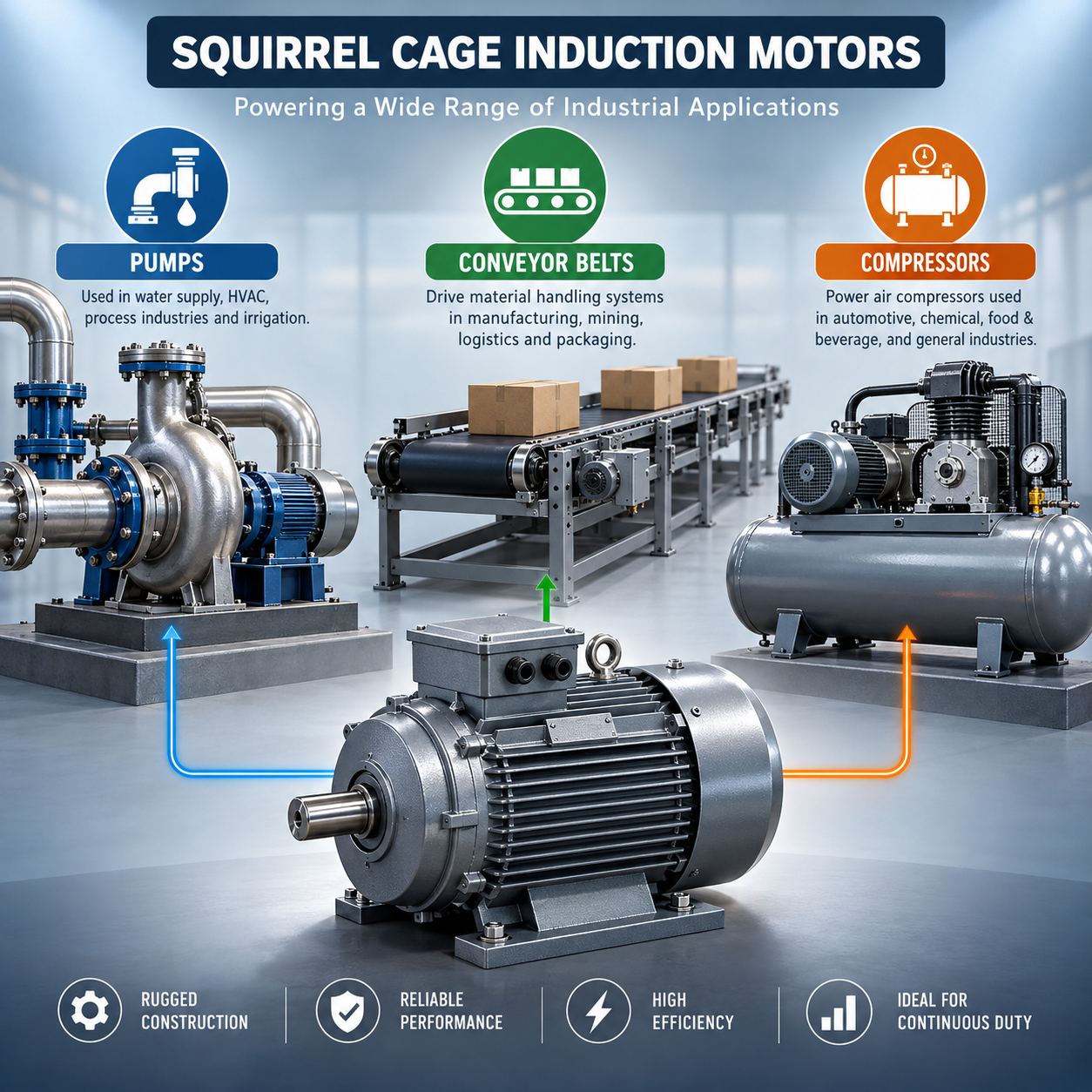
Industrial applications of squirrel cage induction motors.
Squirrel Cage vs. Slip Ring Induction Motors
When selecting between squirrel cage and slip ring induction motors, consider both technical and operational factors such as starting torque requirements, maintenance tolerances, and cost constraints. Squirrel cage motors are ideal for high-efficiency, low-maintenance applications like pumps and fans, while slip ring motors excel in scenarios requiring robust starting torque, such as cranes or heavy-duty machinery. Ultimately, the choice depends on the application’s specific demands and operating environment.
- Squirrel cage and slip ring induction motors are both AC motors commonly used in industrial applications, but they differ significantly in design, control, and efficiency. Below, we compare their characteristics to help buyers and engineers make informed choices.
| Feature | Squirrel Cage Motor | Slip Ring Motor |
|---|---|---|
| Rotor Construction | Rotor with cage-like bars and end rings, typically made of aluminum or copper. No brushes or slip rings. | Rotor includes wound windings connected to slip rings for external resistor control. |
| Starting Torque | Fixed and moderate starting torque. | High starting torque due to the ability to add external resistance in the rotor circuit. |
| Efficiency | Generally higher efficiency due to simpler construction and fewer electrical losses. | Lower efficiency as extra resistors generate heat during operation. |
| Maintenance | Low maintenance; no slip rings or brushes to wear out. | Higher maintenance; slip rings and brushes require regular servicing. |
| Cost | Lower initial cost and long-term operational cost. | Higher initial cost and maintenance expenses due to the complexity of the rotor. |
| Typical Applications | Fans, pumps, compressors, and conveyors in continuous-duty operations. | Cranes, elevators, and heavy machinery where variable starting torque is required. |