Introduction to AC Induction Motors
AC induction motors are the workhorses of modern industries, powering everything from manufacturing equipment to HVAC systems. These motors convert electrical energy into mechanical energy, creating rotational motion to perform tasks such as driving conveyor belts, compressors, and pumps. Known for their robust construction, reliability, and affordability, AC induction motors dominate industrial applications thanks to their ability to operate efficiently under various loads. The secret to their functionality lies in the phenomenon of electromagnetic induction, where an electric current induced in the rotor interacts with a magnetic field generated by the stator. This interaction produces torque, allowing the motor to perform work. Whether used in small-scale machinery or heavy-duty industrial systems, AC induction motors remain integral to virtually every industrial sector due to their efficiency and versatility.
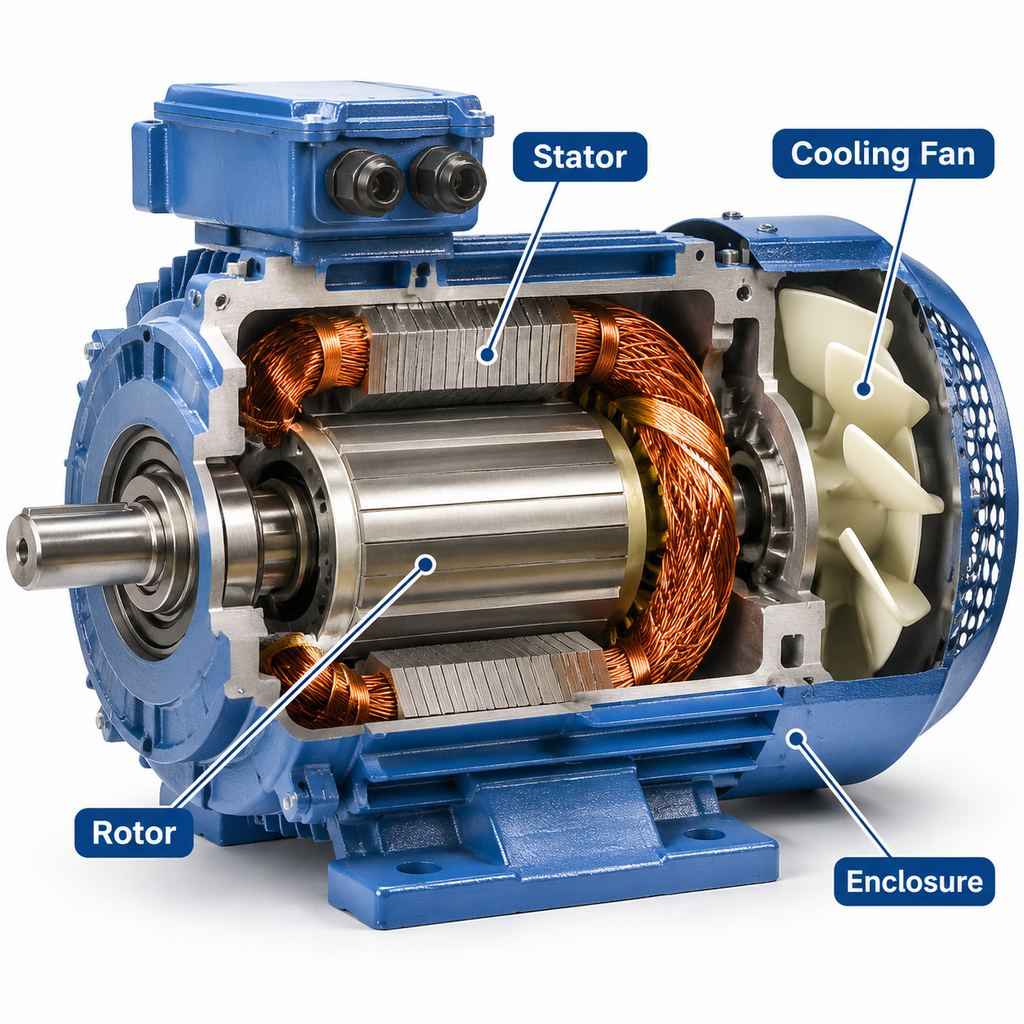
Cutaway view of an AC induction motor with labeled parts
How an AC Induction Motor Works
An AC induction motor operates on the fundamental principle of electromagnetic induction, a phenomenon discovered by Michael Faraday in the 19th century. In simple terms, the motor converts electrical energy into mechanical motion through the interaction of magnetic fields, without requiring any direct physical contact between the motor’s moving parts.
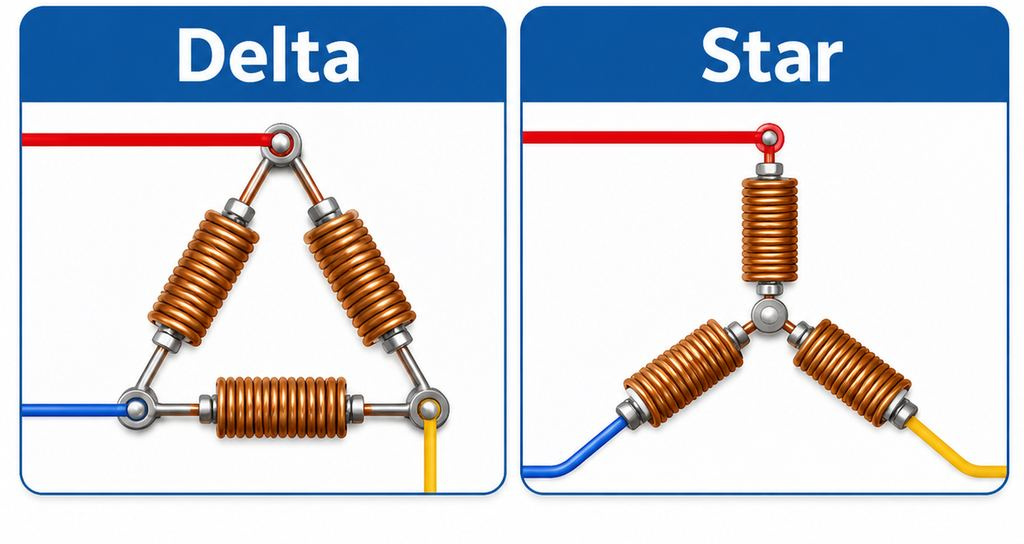
An induction motor consists mainly of two key components: the stator and the rotor. The stator is the stationary part of the motor, composed of coils of insulated wire arranged in a circular pattern. When connected to an AC power supply, the stator generates a rotating magnetic field. This field alternates in polarity and creates a continuous rotational effect around the center of the motor.
The rotor, which sits inside the stator, is made of conductive materials like aluminum or copper and is often arranged in a cylindrical or squirrel cage shape. The rotating magnetic field from the stator induces an electric current in the rotor. When the induced current flows through the rotor bars, it generates its own magnetic field. The interaction between the magnetic fields of the stator and rotor creates a force – known as electromagnetic torque – which makes the rotor spin.
Unlike other types of electric motors, such as DC motors or synchronous motors, the induction motor does not require mechanical commutators or brushes for operation. Instead, the exchange of energy between the stator and rotor occurs purely through induction, making these motors much simpler and more robust. It’s this design simplicity and the absence of wear-prone components like brushes that contribute to the high reliability and relatively low maintenance needs of AC induction motors.
A key characteristic of induction motors is that the rotor always rotates slightly slower than the magnetic field in the stator. This speed difference, called slip, is necessary for electromagnetic induction to occur. Without it, no relative motion would exist between the stator’s magnetic field and the rotor, and no current would be induced.
This basic operating principle enables AC induction motors to function effectively in a wide range of industrial and commercial applications. Thanks to their rugged construction and reliable design, these motors are capable of handling various types of loads while maintaining energy efficiency. Whether it’s driving a factory production line or powering HVAC systems, AC induction motors deliver strong performance without needing the ongoing attention required by other motor types.
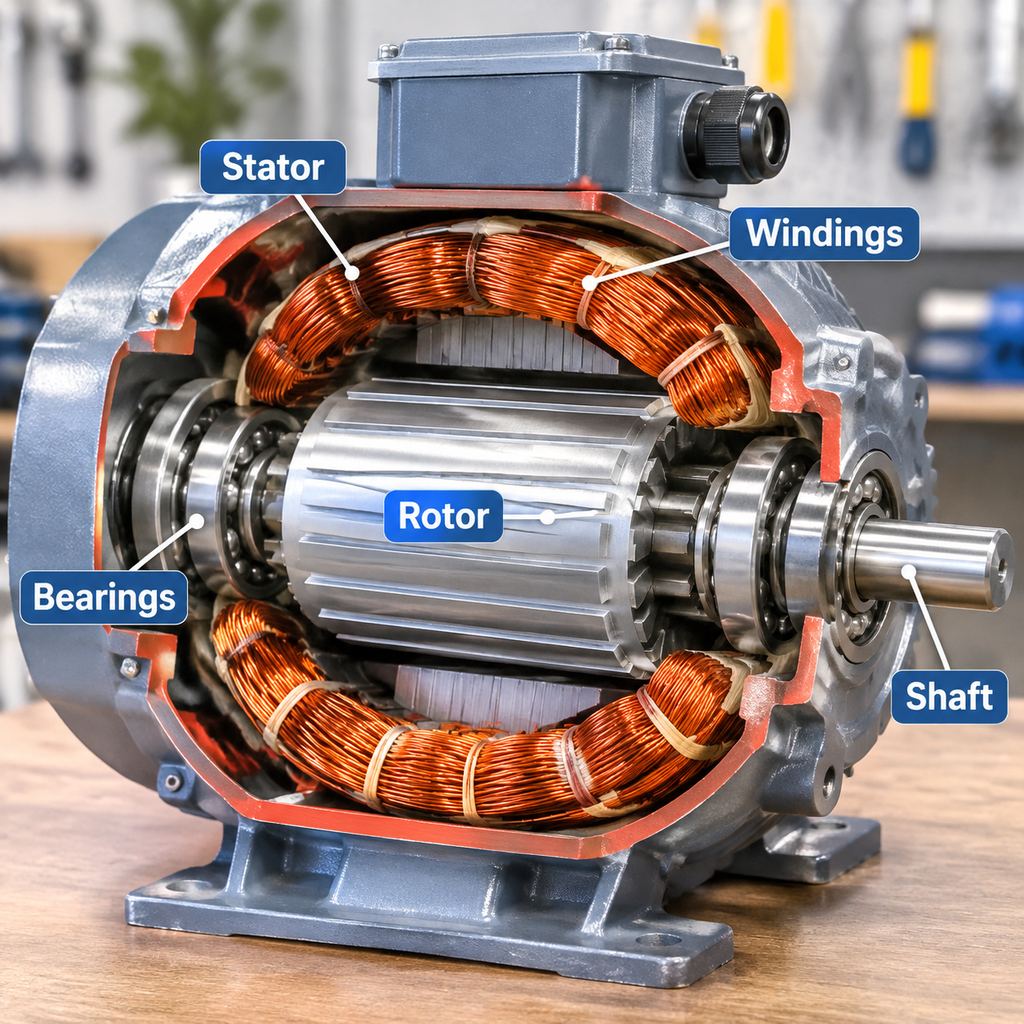
Cross-sectional view illustrating the operation of an AC induction motor
Key Components of an AC Induction Motor
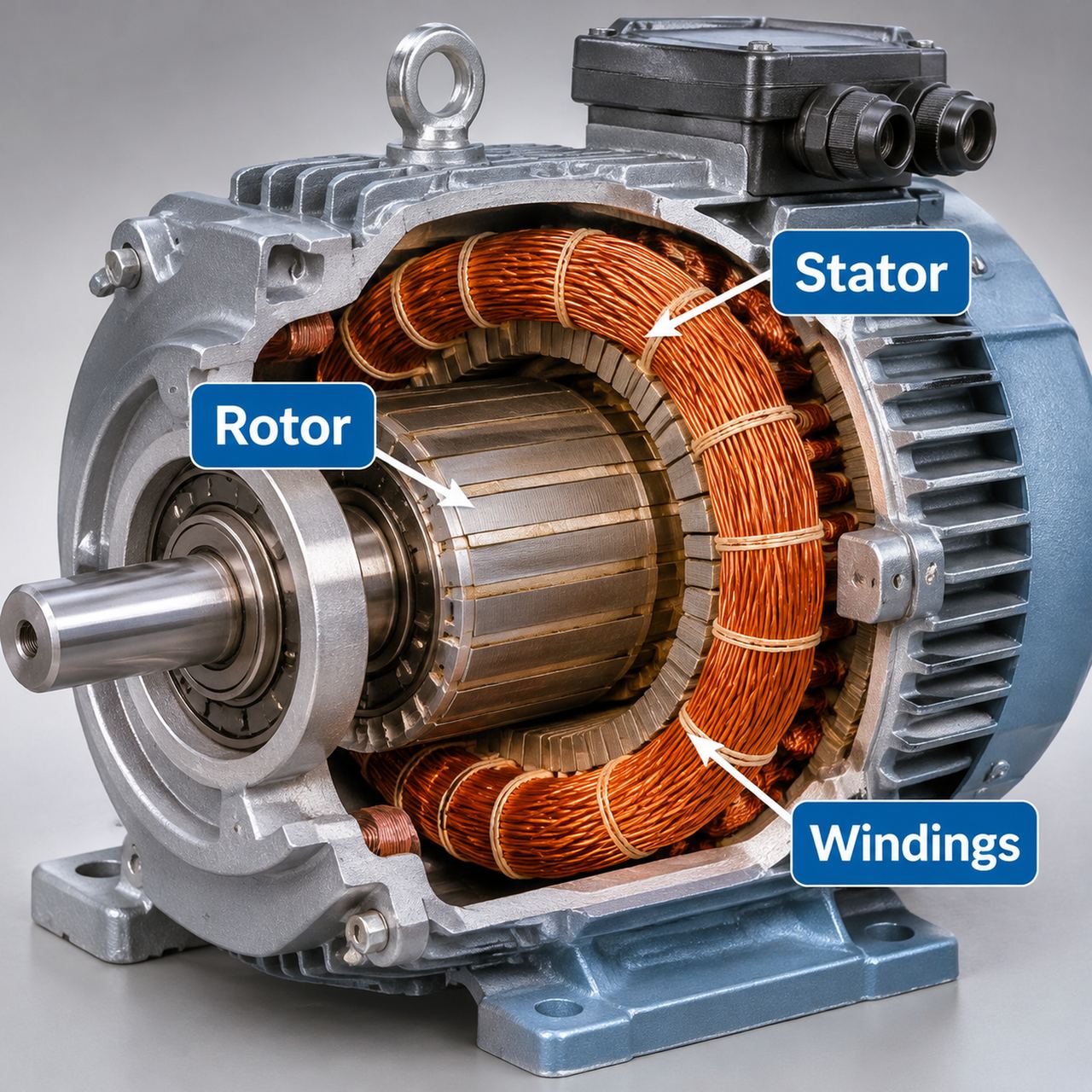
- Stator: The stator is the stationary outer part of an AC induction motor. It consists of laminated steel cores and evenly spaced insulated wire windings that generate a rotating magnetic field when connected to AC power.
- Rotor: Located inside the stator, the rotor is the rotating part of the motor. Commonly constructed from aluminum or copper in a squirrel-cage or wound configuration, it interacts with the stator’s magnetic field to produce movement.
- Bearings: These components support the rotor and maintain its alignment within the stator while allowing it to rotate smoothly with minimal friction.
- Shaft: The rotor is connected to the motor’s output shaft, which transmits the rotational motion to the machine or equipment being driven.
- Cooling Fan: Typically attached to the rotor shaft, the cooling fan helps maintain safe operating temperatures by dissipating heat generated during operation.
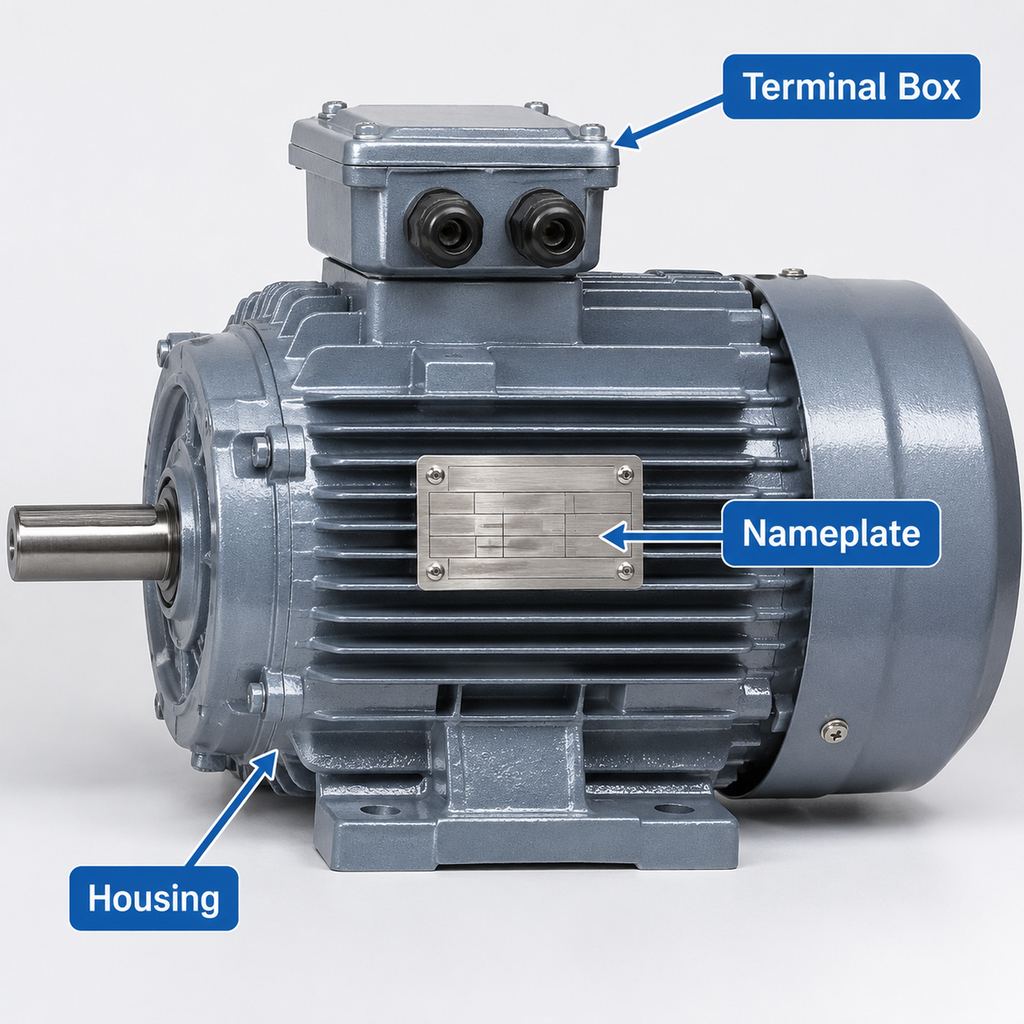
- Housing: Often made of cast iron or aluminum, the housing encases and protects the internal components from dust, moisture, and external damage.
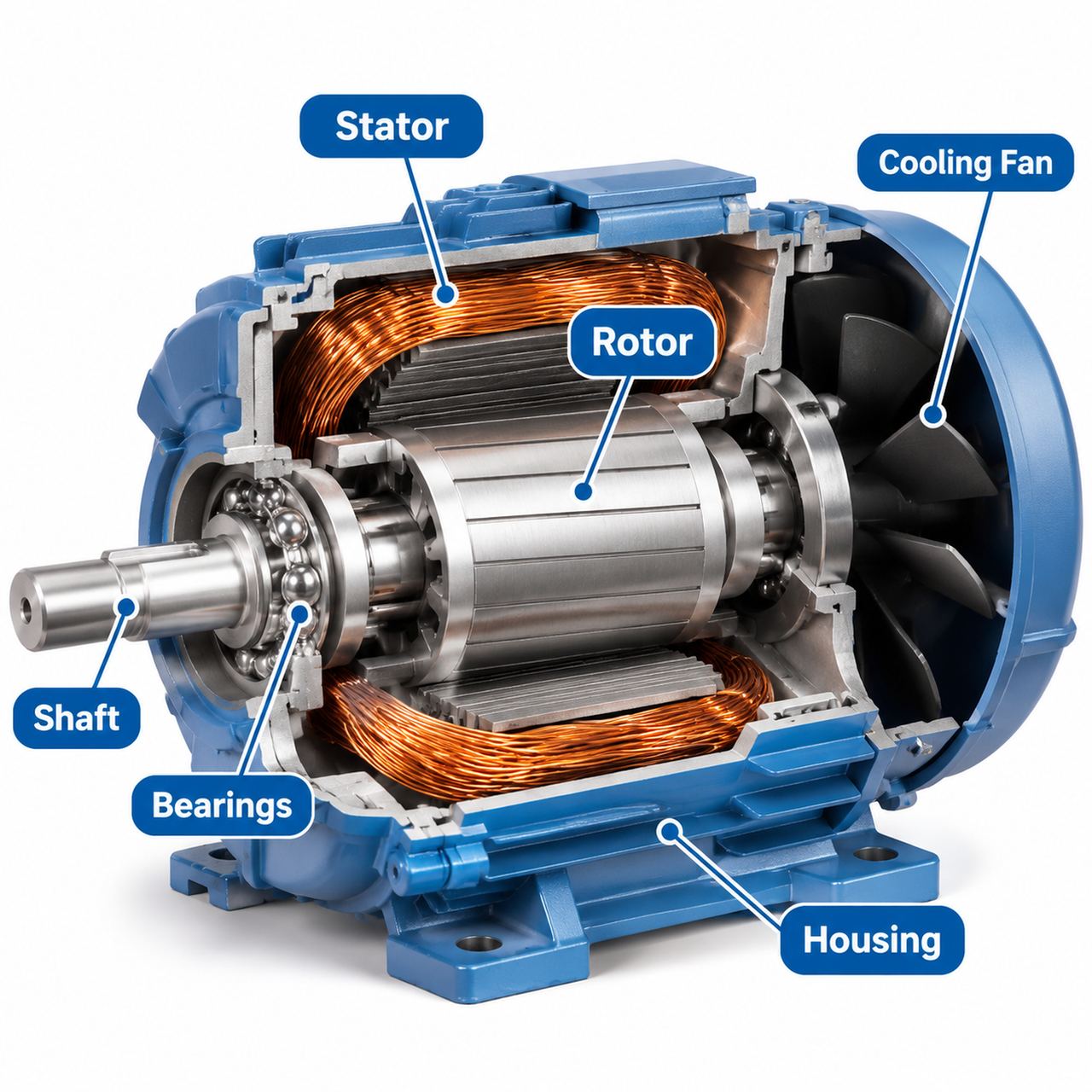
Diagram of an AC induction motor highlighting key components
Step-by-Step Working Principle
- The stator is energized: When alternating current flows through the stator windings, it creates a rotating magnetic field. The frequency of the AC determines the speed at which this magnetic field rotates.
- Electromagnetic induction occurs: The rotating magnetic field induces currents in the rotor, a phenomenon governed by Faraday’s Law of Electromagnetic Induction.
- The rotor generates opposing magnetic fields: The induced currents in the rotor produce magnetic fields that interact with the stator’s rotating magnetic field.
- Torque produces motion: These interacting magnetic fields generate torque, causing the rotor to turn and produce mechanical energy.
- Load is driven via the shaft: The turning rotor transmits mechanical energy to the attached shaft, which drives the connected machinery or device.
Visual Representation of AC Induction Motor Operation
- A cross-sectional diagram of an AC induction motor typically illustrates the primary components: the stator (stationary outer winding), the rotor (inner rotating structure, often of squirrel-cage or wound design), the shaft (connecting the rotor to mechanical equipment), and any cooling mechanisms such as fans for thermal management.
- Animations are especially effective in explaining how the interaction between the rotating magnetic field in the stator and the induced magnetic field in the rotor produces torque, effectively converting electrical energy into mechanical motion.
- Use of dynamic visual aids, like a simulation of the rotating magnetic field and induced rotor motion, can enhance understanding of the synchronous speed, slip, and torque generation mechanisms inherent to an AC induction motor.
Applications of AC Induction Motors
AC induction motors are highly versatile and have found applications across a wide range of industries due to their robust design, reliability, and cost-efficiency. Here are some of the key industries and applications that leverage the benefits of these motors:
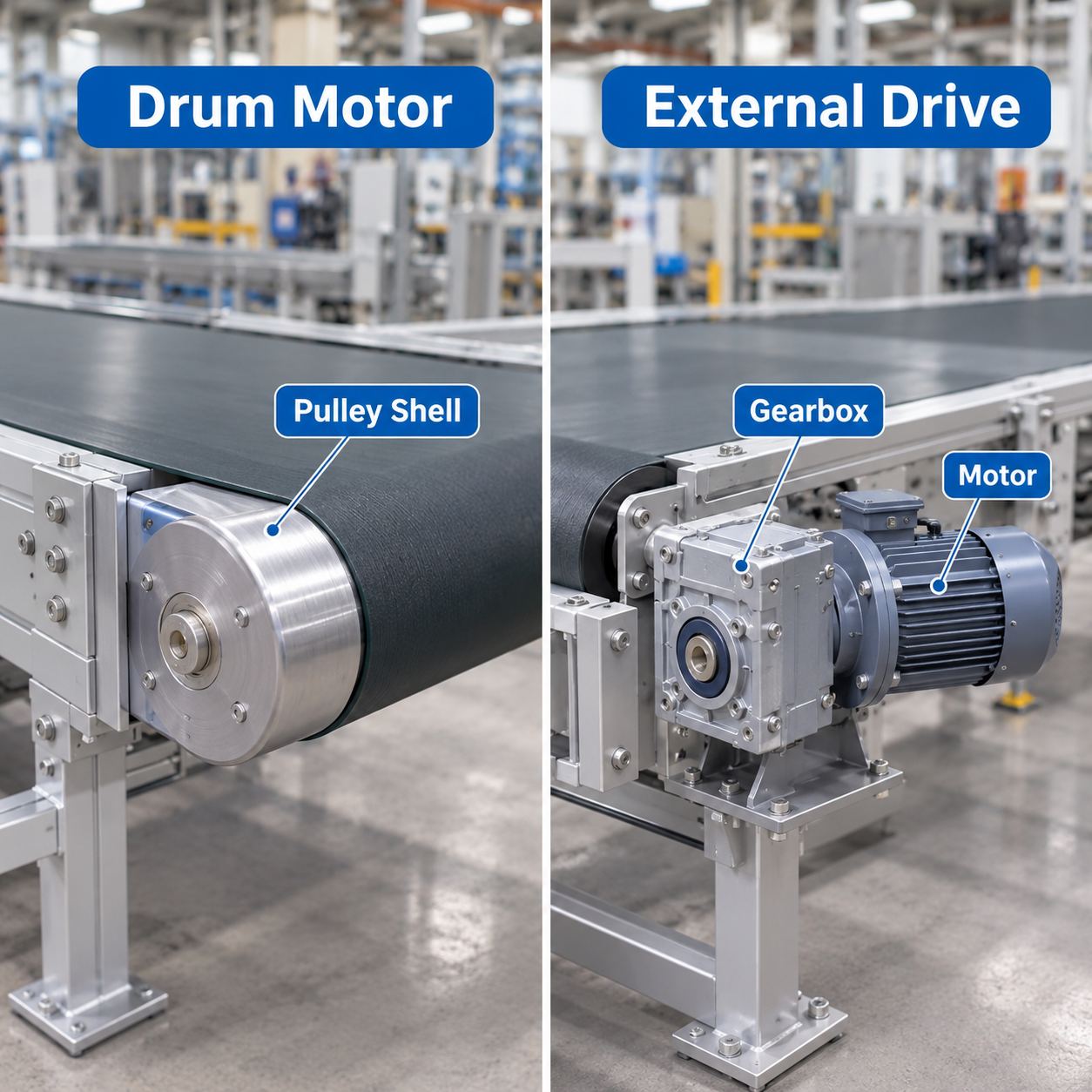
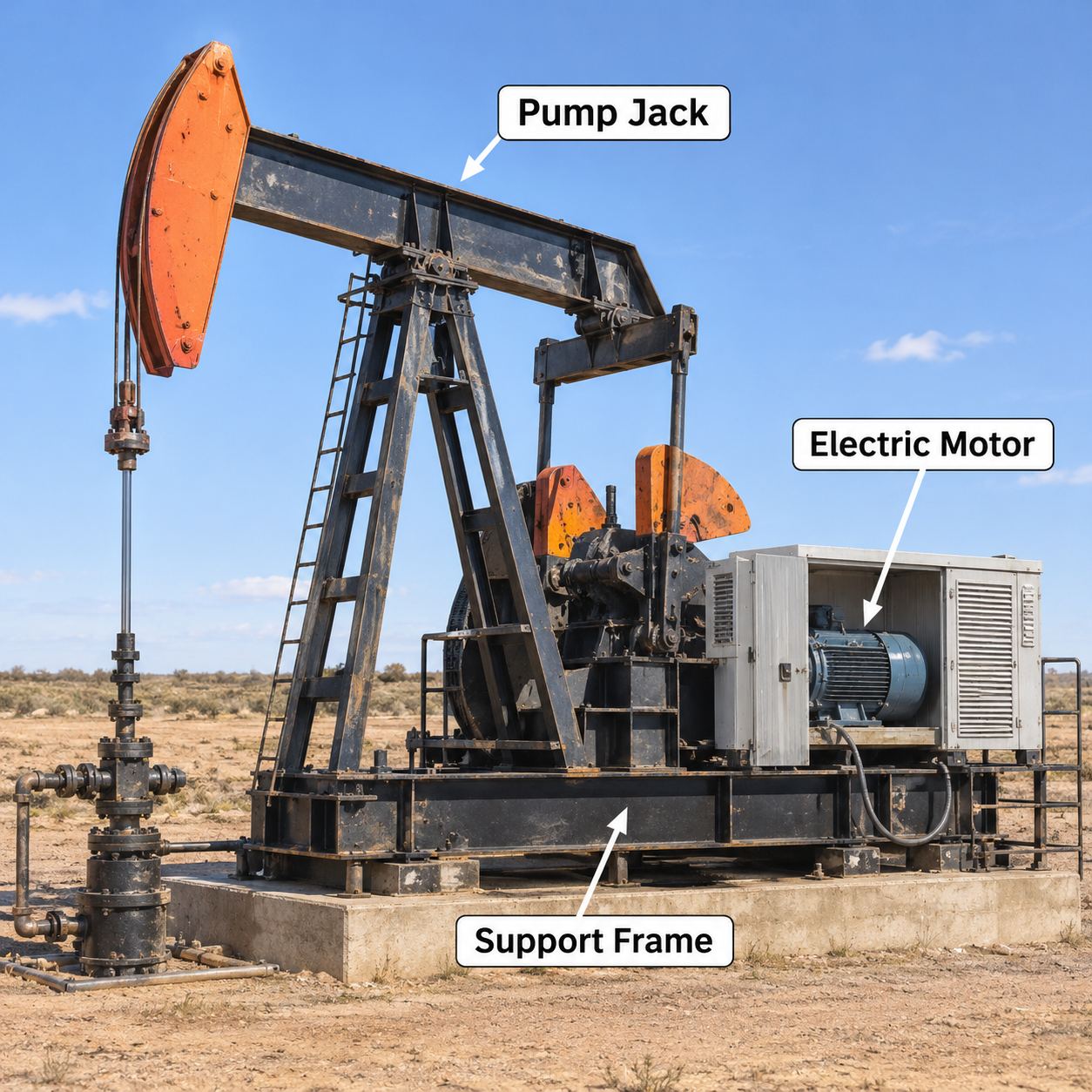
- Industrial Machinery: AC induction motors dominate heavy-duty equipment such as conveyor systems, compressors, and pumps due to their ability to operate efficiently and handle continuous processes under varying loads. They are particularly well-suited for environments where durable, low-maintenance performance is essential.
- HVAC Systems: Heating, ventilation, and air conditioning setups commonly use AC induction motors to power fans, blowers, and refrigeration compressors. Their efficiency and ability to run at consistent speeds make them ideal for maintaining environmental control in commercial and residential buildings.
- Manufacturing and Automation: Packaging machines, robotic arms, and assembly lines employ these motors for their precise and reliable performance. Many use variable frequency drives (VFDs) to enable speed control, enhancing energy efficiency and adaptability.
- Transportation: Railways rely on AC traction motors for trains and trams, which benefit from the motor’s strong torque characteristics and reduced maintenance compared to other motor types. Additionally, they are increasingly used in electric and hybrid electric vehicles.
- Renewable Energy: In wind turbines, induction motors serve as generators that convert rotational energy from the wind into electrical energy.
- Agriculture: From water pumps to grain elevators and processing machinery, AC induction motors are instrumental in agricultural operations, offering reliability in demanding field conditions.
Overall, the adaptability, scalability, and energy efficiency of AC induction motors ensure their extensive usage across numerous sectors, supporting both traditional and advanced industrial applications.
Frequently Asked Questions about AC Induction Motors
How can I control the speed of an AC induction motor?
Controlling the speed of an AC induction motor can be achieved using a variable frequency drive (VFD). By adjusting the frequency of the input AC power, a VFD changes the speed of the rotating magnetic field in the motor stator, which in turn adjusts the rotor speed. This is an efficient and commonly used method for speed control in industrial applications.
What is the main difference between an induction motor and a synchronous motor?
The key difference lies in the rotor speed relative to the stator’s magnetic field. In an induction motor, the rotor always lags behind the rotating magnetic field, creating what is known as slip. Conversely, in a synchronous motor, the rotor speed matches the speed of the magnetic field precisely under steady-state operation, making it “synchronous.”
What are the different types of AC induction motors?
AC induction motors are generally categorized into two types: single-phase and three-phase motors. Single-phase motors are commonly used in household and small-scale applications, such as ceiling fans and small appliances, while three-phase motors are primarily utilized in industrial settings for their higher efficiency and power capacity.