Understanding Industrial Sewing Machine Servo Motors
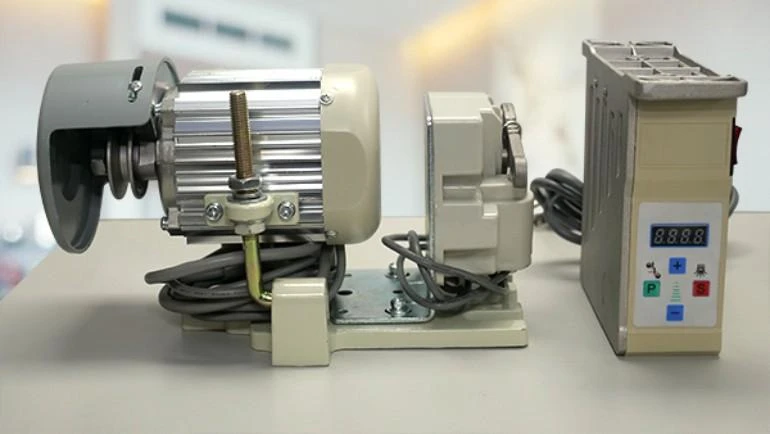
Industrial sewing machine servo motors are specialized motors designed specifically for high-performance, precision tasks in sewing applications. Unlike traditional clutch motors, servo motors offer variable speed control, enabling operators to achieve precise stitching work. These motors are particularly valued for their energy efficiency, reduced noise levels, and ability to deliver consistent torque across various speeds—a critical factor in maintaining fabric integrity during intricate stitching.
In industrial applications, the ability to fine-tune motor speed is essential for modern fabrics and production requirements. Servo motors used in sewing machines also start and stop more quickly, reducing wastage and improving cycle time compared to older motor technologies. Additionally, these motors excel in handling both high and low-speed operations, making them suitable for everything from fine embroidery to heavy-duty stitching on thick materials like leather.
For OEMs or facilities needing tailored performance, engaging with a manufacturer like JWmotor to explore custom IEC frame servo motor solutions can ensure compatibility with your sewing machine setups while meeting specific efficiency or application benchmarks.
Key Features of Industrial Sewing Machine Servo Motors
- Energy Efficiency: Servo motors for industrial sewing machines typically consume up to 60% less energy compared to clutch motors, thanks to their ability to operate only when sewing is in progress.
- Precision Speed Control: Unlike traditional motors, servo motors allow for variable speed adjustments, enabling operators to fine-tune stitching for everything from delicate embroidery to heavy-duty materials like leather.
- Low Noise Operation: Servo motors generate significantly less noise than clutch motors due to their electronic control mechanisms, creating a quieter and more comfortable working environment in sewing facilities.
- Quick Response: With instant start-stop capability, these motors help reduce fabric waste and optimize production times, making them invaluable for high-efficiency operations.
- Compact Design: Many industrial sewing machine servo motors feature a compact and lightweight design, saving space and simplifying installations in tight machine layouts.
Frequently Asked Questions about Sewing Machine Servo Motors
What is the main advantage of a servo motor in industrial sewing machines?
The primary advantage of a servo motor in industrial sewing machines is its precision speed control. Unlike clutch motors, servo motors allow operators to adjust speed dynamically, ensuring fine-tuned stitching and reduced thread breakage. Additionally, they provide energy efficiency by operating only when sewing, minimizing power wastage.
Why do industrial sewing machine servo motors consume less energy?
Servo motors consume less energy because they operate on-demand, running only when the sewing machine is actively stitching. This contrasts with clutch motors, which run continuously. This design significantly reduces electricity usage, often yielding energy savings of up to 60% in industrial settings.
Can a servo motor be customized for specific sewing machinery?
Yes, servo motors can be customized to suit unique industrial sewing machinery requirements, such as specific frame sizes or control systems. For specialized applications, consider contacting a manufacturer like JWmotor to explore tailored solutions that align with your operational needs.
How do servo motors affect fabric quality during stitching?
Servo motors enhance fabric quality by delivering consistent torque and precise speed control. This ensures even stitching and prevents damage to delicate or complex fabrics. Faster response times in starting and stopping also help reduce errors and wastage in production.
How to Choose the Right Servo Motor for Your Industrial Sewing Machine
- Define Your Sewing Machine Requirements: Start by identifying the type of tasks your sewing machine handles. Are you working with lightweight fabrics like cotton or heavier materials like leather? Applications requiring variable speed, high torque at low speeds, or silent operation will benefit the most from a servo motor. Precision stitching tasks, for instance, heavily rely on the regulated speed control that servo motors offer.
- Understand Motor Specifications: Servo motors have critical specifications such as torque, power (often measured in watts), speed range (RPM), and compatibility with your machine’s power supply. Cross-reference these details with your machine’s requirements to ensure a proper match. For example, high power output is essential for industrial sewing machines used for heavy-duty applications.
- Inspect Mounting Compatibility: Confirm that the servo motor you choose has compatible mounting dimensions or frame sizes matching your sewing machine setup. IEC standard frame information can simplify this step, ensuring the selected motor can be accommodated without significant modifications.
- Prioritize Energy Efficiency: Servo motors are known for their energy efficiency, often consuming up to 60% less energy than traditional clutch motors. Consider connecting with a supplier like JWmotor to discuss custom energy-efficient solutions tailored to your specific application needs.
- Evaluate Noise Levels and Environment: For sewing factories or workshops, low-noise operation is often a priority. Many modern servo motors operate substantially quieter than clutch motors. If your workspace requires silent operation for comfort and productivity, this feature should be a significant factor in your decision.
- Verify After-Sales Support: Industrial motors are a long-term investment. Ensure that the manufacturer or supplier of your servo motor provides detailed technical documentation, replacement warranties, and customizable options if your sewing machine has unique requirements. JWmotor, for instance, can assist in designing servo motors to fit IEC metric frame dimensions, creating reliable and precise solutions tailored to your needs.
Top Considerations When Upgrading to a Servo Motor
1. Assess the Requirements of Your Sewing Machine
Before upgrading to a servo motor, carefully evaluate the specific needs of your industrial sewing machine. Consider the types of materials you handle—light textiles like cotton demand different torque and speed requirements compared to heavy fabrics like leather or denim. Machines performing high-precision or high-speed stitching would significantly benefit from a servo motor’s precise control capabilities and rapid response times.
2. Evaluate Desired Speed and Torque Requirements
Servo motors excel at providing variable speed and consistent torque, but ensuring the desired performance relies on selecting the right specifications. Key factors include torque curves, speed ranges, and the motor’s capacity to maintain power under load. For tasks requiring high initial torque or consistent speed across variable settings, it’s essential to match the motor’s specifications to your operational needs.
3. Consider Energy Efficiency Savings
Switching from traditional clutch motors to servo motors in industrial sewing machines can result in substantial energy savings. While clutch motors run continuously and waste energy when idle, servo motors operate only during stitching. This makes them significantly more energy-efficient, often reducing electricity consumption by up to 60%. These savings can quickly justify the higher upfront investment in a robust servo motor.
4. Analyze Noise and Vibration Reduction Advantages
Servo motors are ideal for reducing workplace noise and vibration levels, enhancing operator comfort and reducing fatigue during extended use. Their silent operation stems from the absence of mechanical components like clutches that typically generate noise and uneven motion. Ensure your upgrade plans account for these benefits, as quieter machines often translate to improved productivity and happier operators.
5. Verify Mounting and Electrical Compatibility
An often-overlooked factor during upgrades is ensuring that the servo motor is compatible with your sewing machine’s mounting and electrical setup. Check whether the IEC frame size matches your existing assembly and confirm the voltage and power requirements align with your facility’s electrical system. For uncommon setups or modifications, consider consulting JWmotor for a custom solution tailored to your needs.
The Future of Servo Motors in Industrial Sewing
The industrial sewing sector is evolving rapidly, and servo motors are at the forefront of this transformation. With the rising demand for faster production cycles and intricate stitching precision, these motors are poised to redefine not just efficiency but also flexibility in manufacturing. As more factories embrace digital integration under Industry 4.0 principles, the role of servo motors goes beyond fabric-specific applications to smart, interconnected operations capable of real-time response to production needs.
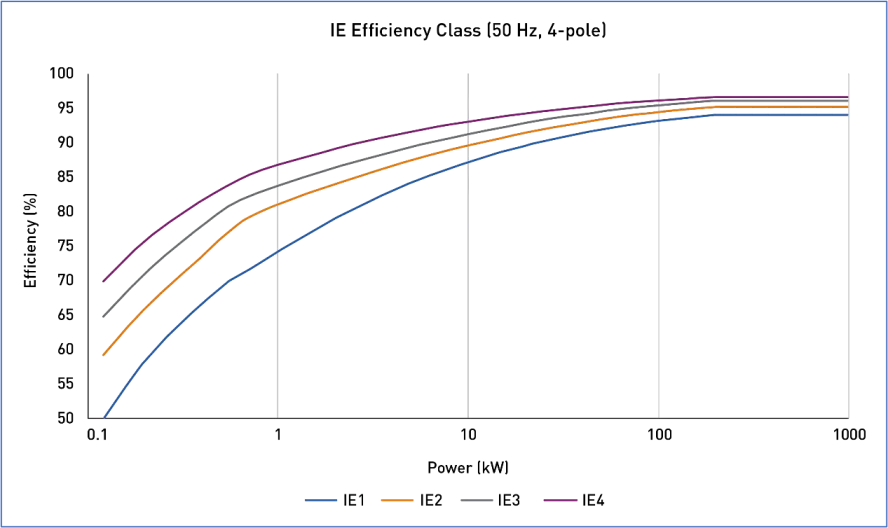
A significant trend shaping the future is the advancement in energy-efficient designs. Regulations like the European Union’s focus on eco-design and energy labeling point toward motors with higher efficiency classes. Industrial sewing machine servo motors are uniquely suited for these new standards, as their high operational efficiency contributes to reduced lifecycle costs. Coupled with developments in power electronics, we can expect even more compact and efficient motors capable of handling diverse stitching applications with minimal waste.
Customization also lies at the heart of future trends in this niche. Given the variability in fabric types and stitch complexity, many manufacturers may lean toward tailored IEC-frame servo motors. Such bespoke solutions allow seamless integration with existing equipment while meeting precise torque and speed requirements. For buyers who need customized solutions to align with automation strategies, working with a forward-thinking manufacturer like JWmotor could be a strategic advantage. This approach ensures robust compatibility with your specific sewing setups and processes.