Understanding Multi-Speed Motors for Fan Pumps
Multi-speed motors are specialized electric motors capable of operating at varying speeds. Unlike single-speed motors that function at a constant RPM, multi-speed motors allow for adjustments in speed to match the specific needs of an application. For fan pump systems, this adaptability is particularly advantageous as the pump and fan loads often vary depending on demand.
These motors are commonly used in applications where energy efficiency and precise control of performance are critical. By offering optimized speed settings, multi-speed motors reduce wear and tear while achieving considerable energy savings, especially in centrifugal pumps and fans. Their ability to deliver torque efficiently across multiple speed ranges makes them ideal for variable-load systems.
In the context of fan pumps, multi-speed motors like the YDT series are tailored to variable torque applications. As pump speed adjusts, the power consumption changes exponentially rather than linearly, leading to substantial operational efficiency. This design characteristic aligns with the typical operating behavior of fans and pumps, making these motors highly suited for industrial HVAC, water handling, and other similar systems.

Top Considerations When Selecting a Multi-Speed Motor for Fan Pumps
1. Energy Efficiency and Cost Savings
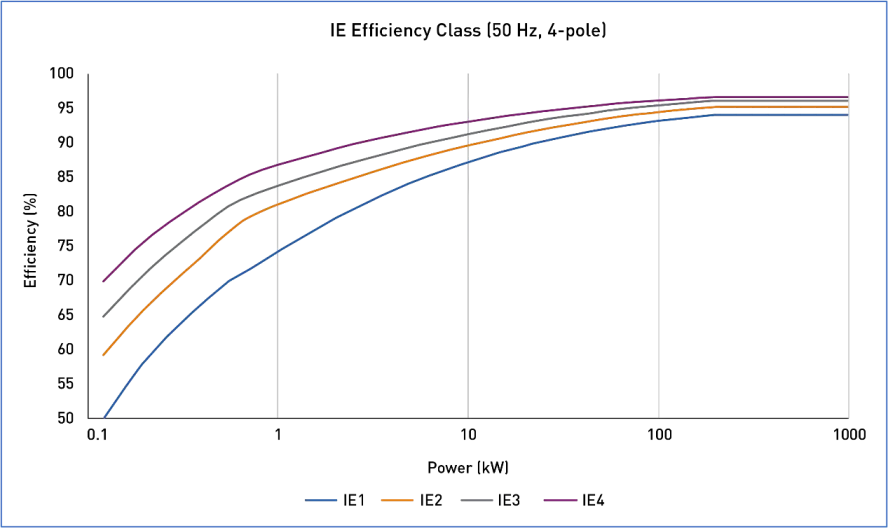
Selecting a motor with high energy efficiency standards, such as IE3 or IE4 classifications, can lead to significant cost savings over the motor’s lifecycle. Multi-speed motors are inherently more efficient for fan pump applications, as they match workload demands closely, reducing unnecessary energy loss. Opting for a motor with robust design, incorporating technologies like optimized copper windings, can further enhance efficiency, particularly if the installation is intended for high-duty operation.
2. Proper Speed-Torque Compatibility
Ensure the motor’s design aligns with the specific torque-speed characteristics required by fan pump applications. Multi-speed motors such as the YDT series are purpose-built for variable torque loads, where power needs scale non-linearly with speed, such as centrifugal systems. Matching the motor’s performance curve to the fan pump’s load requirements minimizes energy waste and ensures smooth operation even under fluctuating demands.
3. Durability and Environmental Suitability
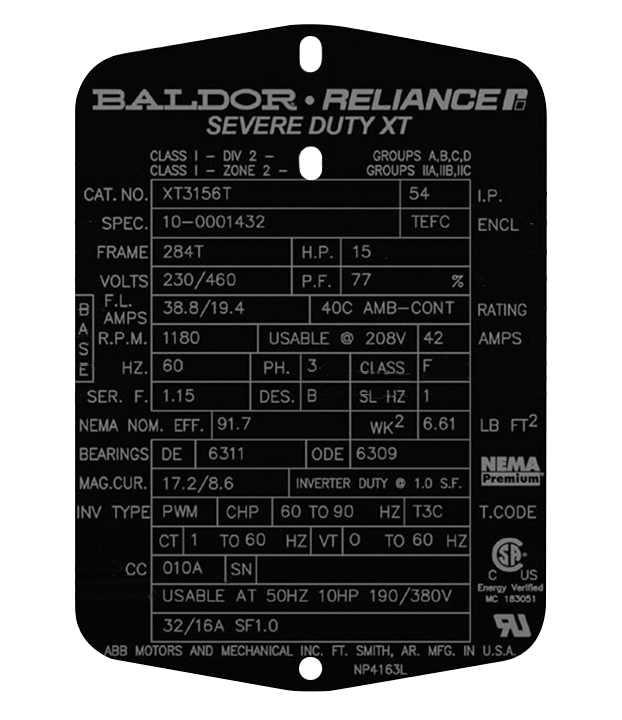
Choose a motor capable of operating reliably in the given environment. For fan pumps used in industrial or harsh settings, look for features like TEFC (totally enclosed fan-cooled) enclosures and IP55 protection. These specifications ensure resistance to dust and water ingress while maintaining thermal stability during continuous operation. Proven durability reduces downtime and maintenance costs, making these motors ideal for demanding environments.
4. Control Capability and Flexibility
Check the motor’s compatibility with modern control systems like variable frequency drives (VFDs) or direct programmable controllers. Multi-speed motors benefit from seamless speed adjustment when paired with advanced control mechanisms. The ability to tailor operations not only optimizes energy usage but also allows for precise responses to changes in process requirements, crucial in fan and pump systems.
5. Interchangeable Frame and Dimensions
Ensure the motor’s frame design complies with IEC standards like IEC 60072-1 for easy replacement in existing setups. This feature is vital for buyers integrating the motor into pre-existing equipment, reducing installation challenges and maximizing system compatibility. Standardized dimensions mean a motor can be swapped with minimal mechanical reconfiguration, saving time and cost during retrofits.
Common Applications of Multi-Speed Motors in Fan Pumps
- HVAC systems often utilize multi-speed motors in fan pumps to handle variable airflow demands efficiently. During peak cooling or heating periods, high-speed operation delivers maximum output, while lower speeds reduce energy consumption during off-peak hours.
- Water treatment facilities deploy multi-speed motors for centrifugal pumps to accommodate fluctuating flow requirements. The YDT series motors, for example, optimize energy use by adjusting torque quadratically with speed, making them ideal for scenarios with changing pressure loads.
- Manufacturing industries rely on multi-speed motors for fan systems in production equipment. These motors improve operational flexibility by balancing airflow volume with varying production stages, minimizing wear and energy wastage.
- Industrial ventilation systems in high-dust or high-moisture environments use TEFC (Total Enclosed Fan Cooled) multi-speed motors with IP55 protection. This design ensures reliable performance and protects against contaminants, supporting uninterrupted operation.
Frequently Asked Questions about Multi-Speed Motors for Fan Pumps
What are the advantages of using a multi-speed motor for fan pumps?
Multi-speed motors provide significant energy savings by allowing the motor speed to adapt to varying load demands. This is particularly beneficial for fan pumps, where power consumption follows a cubic relationship with speed. Additionally, they reduce mechanical stress on components due to smoother start-ups and gradual speed transitions.
How do multi-speed motors like the YDT series optimize energy usage in centrifugal pumps?
The YDT series is specifically designed for variable torque applications, such as centrifugal pumps. These motors adjust their power output quadratically with speed, which aligns perfectly with the load profile of such systems. This design minimizes energy wastage during low-demand periods while maintaining peak efficiency.
Can multi-speed motors handle the demanding start-up conditions of large industrial fans?
Yes, high-quality multi-speed motors like the YDT series are engineered with robust copper windings and reinforced rotors, making them capable of handling the high inertia and start-up torque typical of large industrial fans without compromising performance or longevity.
What should be considered when selecting a multi-speed motor for fan pumps in harsh environments?
Choose a motor with a TEFC (Total Enclosed Fan Cooled) design and an IP55 protection rating to ensure resistance to dust, debris, and moisture. Additionally, verify the motor’s insulation class and ambient temperature ratings to confirm its suitability for extreme conditions.
How does speed-torque compatibility affect the performance of multi-speed motors in fan pumps?
Speed-torque compatibility is critical because it ensures that the motor operates efficiently within the application’s demand range. Multi-speed motors designed for variable torque, such as those in the YDT series, deliver optimal performance by balancing power output and speed, minimizing energy waste and extending operational life.
Comparison of Multi-Speed Motors by Key Features
This table provides a side-by-side comparison of key features in multi-speed motors, specifically tailored for fan pump applications. Use it to determine which motor best aligns with your efficiency needs, budget, and application requirements.
| Feature | Option A | Option B |
|---|---|---|
| Efficiency Class | IE3 High Efficiency | IE4 Premium Efficiency |
| Speed Control | Two-Speed Operation | Three-Speed Operation |
| Torque Characteristics | Optimized for Variable Torque (e.g., YDT series) | General-purpose with Standard Torque Profile |
| Enclosure Type | TEFC (Totally Enclosed Fan Cooled, IP55) | Open Drip-Proof (ODP, lower protection) |
| Typical Applications | Centrifugal Fans and Pumps in HVAC and Water Treatment | General Industrial Use or Controlled Environments |
| Initial Cost | Moderate | Higher (due to premium features like IE4 efficiency) |
Expert Insights on Multi-Speed Motors for Efficient Fan Pump Operations
Incorporating multi-speed motors in fan pump applications can be a game-changer for industries looking to strike a balance between energy efficiency, cost savings, and system reliability. Designed to handle variable torque loads, these motors—such as the YDT series—enable facilities to drastically reduce energy consumption and optimize performance in real time. The quadratic relationship between power consumption and speed ensures that motors only use the energy necessary for the current operational demand, minimizing wastage, especially in centrifugal systems.
For industries like HVAC, water treatment, and manufacturing, this adaptability translates directly into financial and environmental benefits. Fan and pump systems operating under continuous or fluctuating loads can achieve sustainable energy savings without sacrificing performance. Moreover, durable features like TEFC enclosures and IP55 protection ratings make these motors suitable for harsh environments, ensuring that the investments are safeguarded from contamination and external stresses.
However, industry buyers must approach selection with careful planning. Prioritize motors that not only meet the required load profiles but also exceed minimum efficiency standards (IE3 or higher) and integrate seamlessly with control systems for maximum operational flexibility. Partnering with trusted manufacturers and understanding application-specific needs will be critical to unlocking the full potential of multi-speed motors for fan pumps.