
Understanding Induction Motor Startup Behavior
When an induction motor starts, the current drawn by the motor initially spikes to a value much higher than its rated steady-state current, a phenomenon known as inrush current. This occurs because the rotor is initially stationary while the stator generates a rotating magnetic field, causing maximum slip—the difference between the rotor’s speed and the magnetic field’s speed. Due to this high slip, the rotor experiences a large induced current, which results in substantial power drawn from the supply to create the electromagnetic torque necessary to overcome inertia and initiate rotation.
As the motor accelerates and the rotor gains speed, the slip decreases, reducing the induced current in the rotor and the corresponding stator current. The current settles near the motor’s rated values once the rotor approaches its final operating speed, referred to as nominal speed. The inrush current during startup can be five to seven times higher than the rated current depending on the design of the motor and the startup method used (e.g., DOL, Star-Delta, or VFD). This behavior is a fundamental characteristic of induction motor operation and needs to be accounted for when selecting protective devices or designing power systems to avoid disruptions.
Understanding these principles is crucial for engineers and maintenance professionals, as accurate planning can help mitigate the effects of high inrush currents and optimize system reliability.
Steps in the Starting Process of an Induction Motor
- Initial current surge – When the induction motor starts, it draws an inrush current significantly higher than its rated operating current. This happens because the rotor is stationary, causing maximum slip (the difference between rotor speed and the synchronous speed of the stator’s magnetic field). At this stage, the stator produces a strong rotating field to induce current in the rotor and generate torque.
- Acceleration phase – As the rotor begins to accelerate, its speed starts catching up with the rotating magnetic field of the stator. This reduces the slip, subsequently decreasing the induced current in the rotor circuit. The stator current also starts to drop correspondingly.
- Steady-state operation – Once the motor reaches its nominal speed (close to the synchronous speed but slightly lower due to operational slip), the current stabilizes to its rated operating value. This represents the equilibrium point, where the power drawn is balanced with the mechanical load and losses.
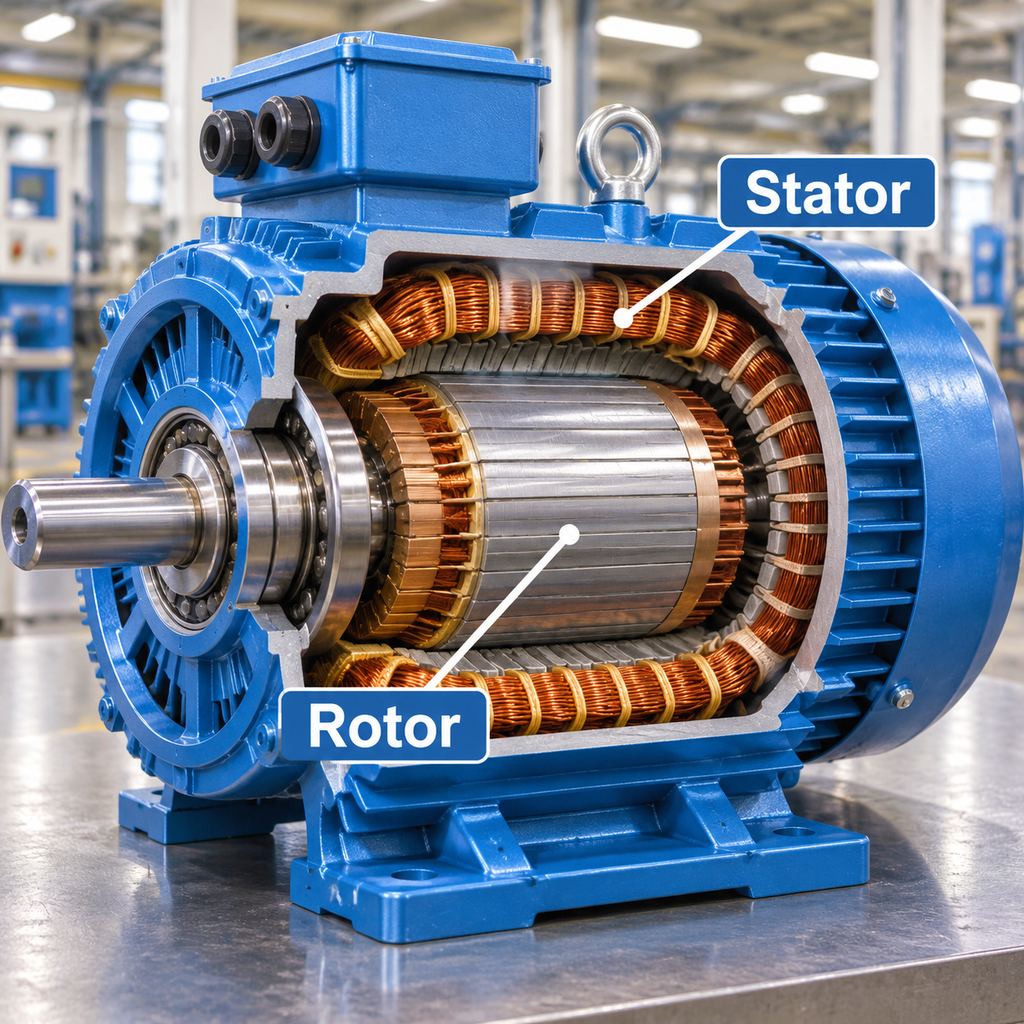
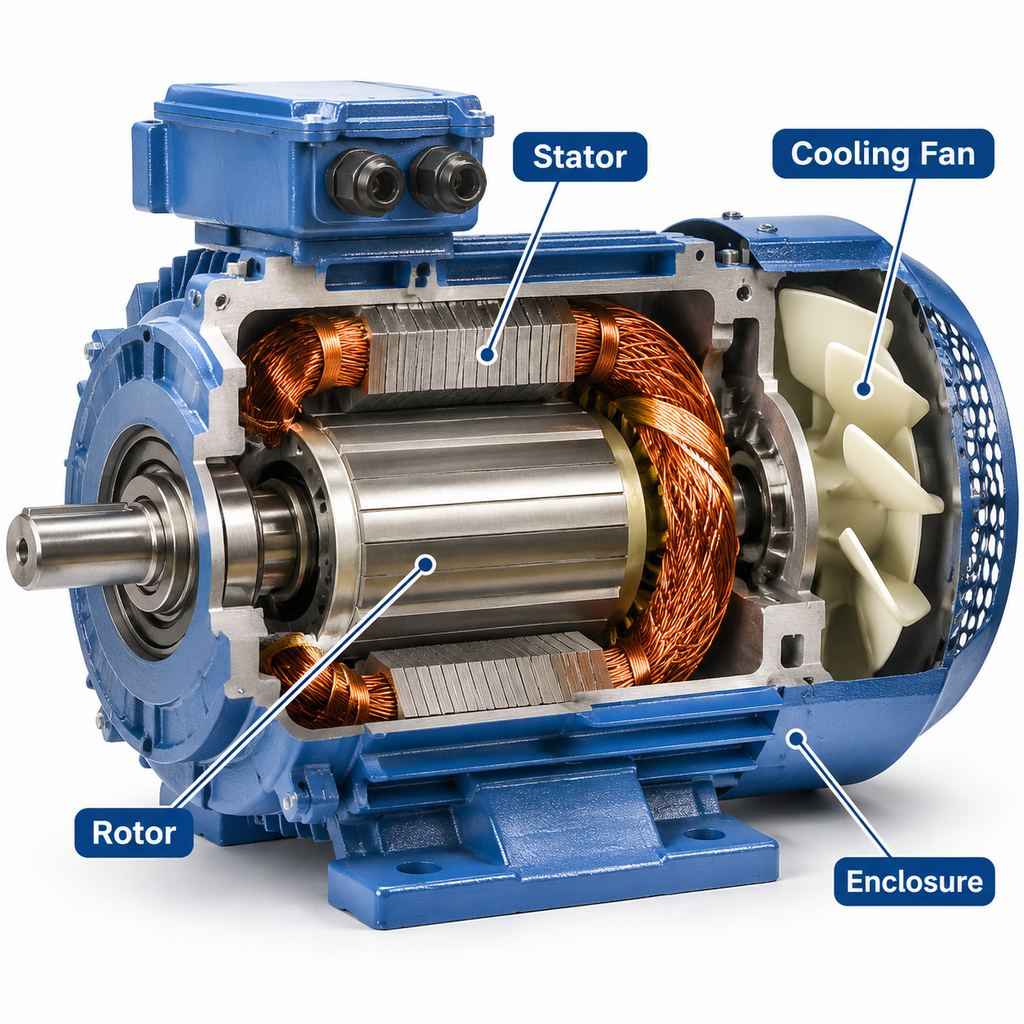
Side view of running induction motor showing rotor and stator
Factors Influencing Startup Current
Several factors influence the magnitude of the starting current drawn by an induction motor, and understanding these variables is critical for engineers planning motor integration or selecting suitable protective devices.
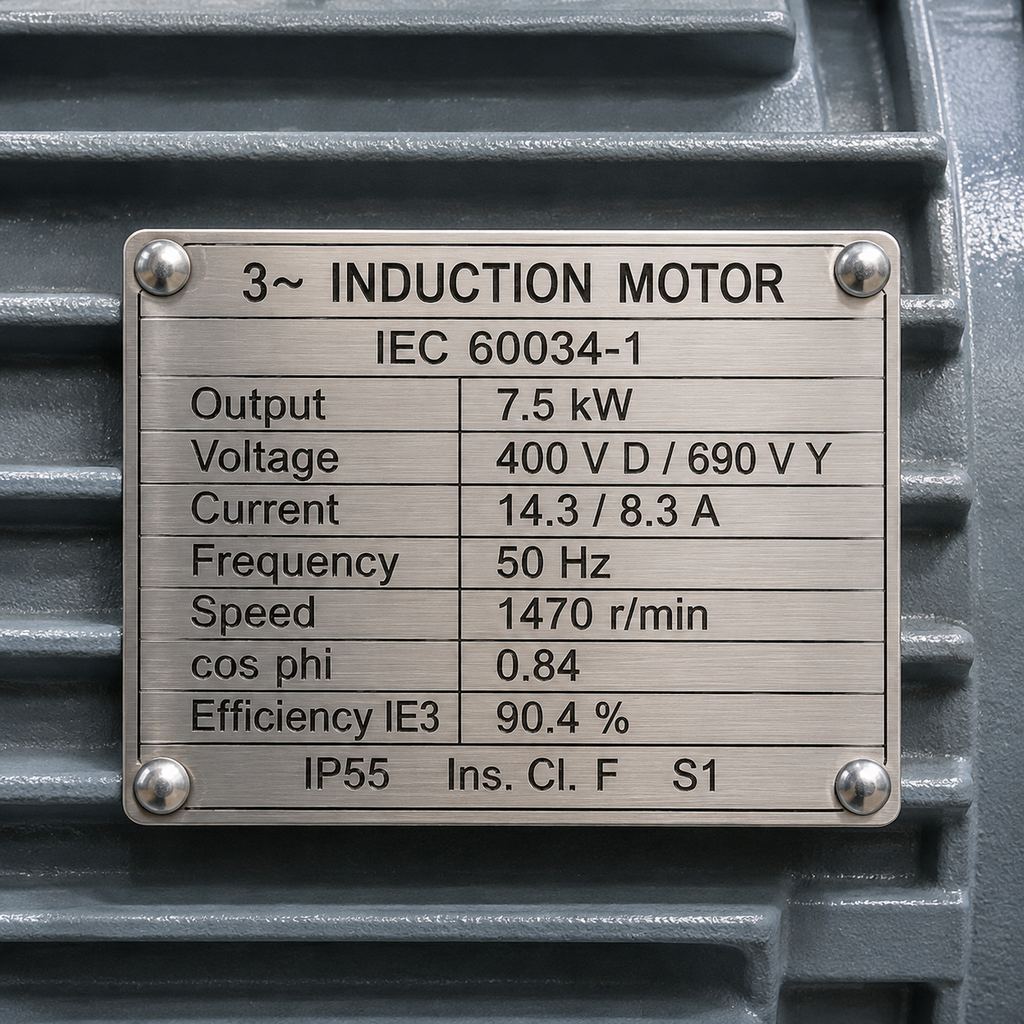
Motor Design: The internal construction of the motor has a direct impact on the starting current. Motors with higher power ratings or larger frame sizes typically require more current to overcome their initial inertia. Furthermore, high-efficiency motors, such as those compliant with IE3 and IE4 standards, often employ lower winding resistance and perform better under load but may still exhibit substantial starting currents.
Supply Voltage: The applied voltage is another determinant of the starting current. High-voltage motors generally draw lower current during startup compared to low-voltage motors, as they operate at reduced current values for a given power rating. However, voltage instability or drops during startup could potentially lead to even higher relative inrush currents, which must be accounted for when configuring protection systems.
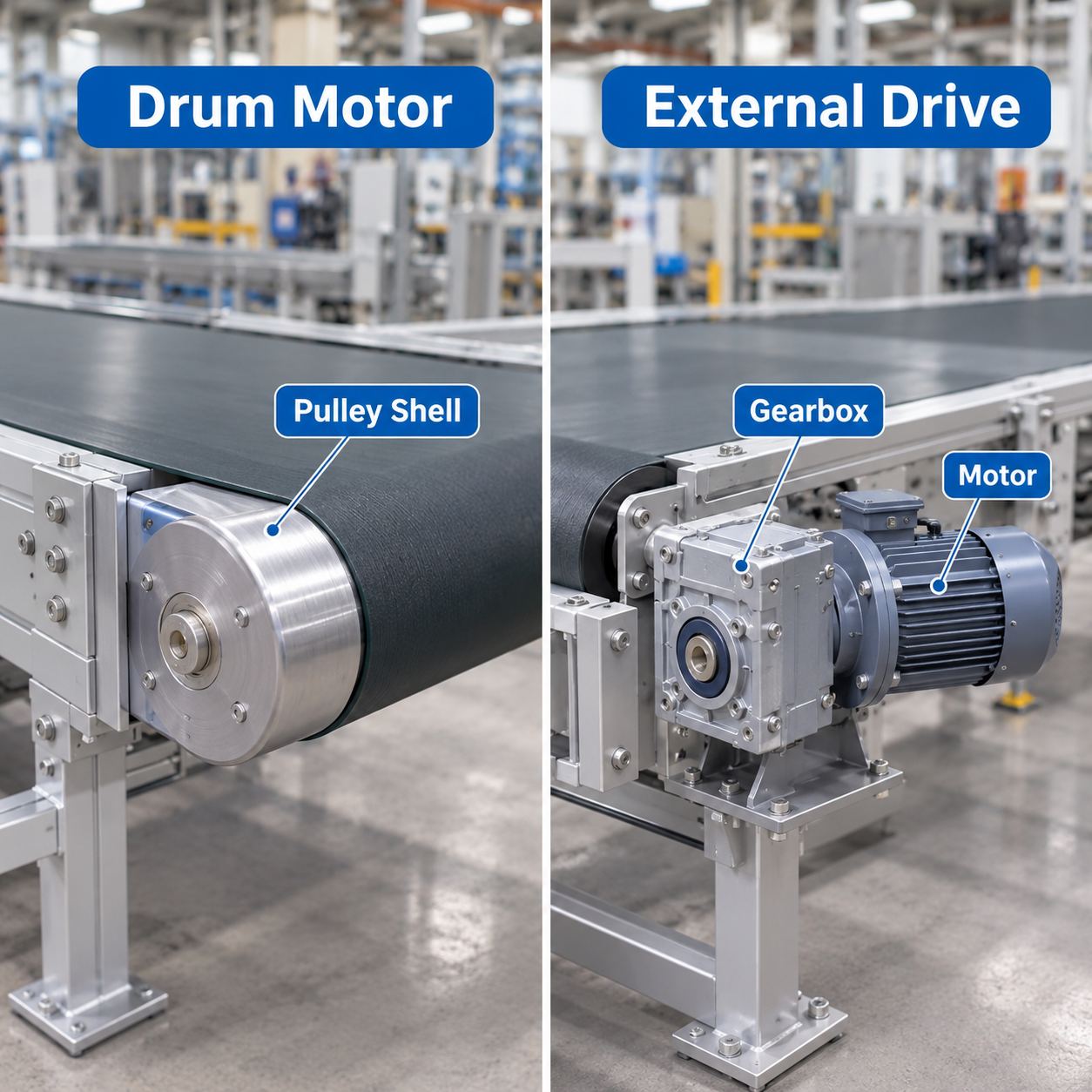
Load Characteristics: The type and magnitude of the mechanical load significantly influence the starting current. A motor driving high-inertia equipment, like fans or compressors, will exhibit higher initial currents due to the increased demand required to overcome the resistance of the load. Conversely, light-load applications like conveyors may have comparatively reduced starting currents.
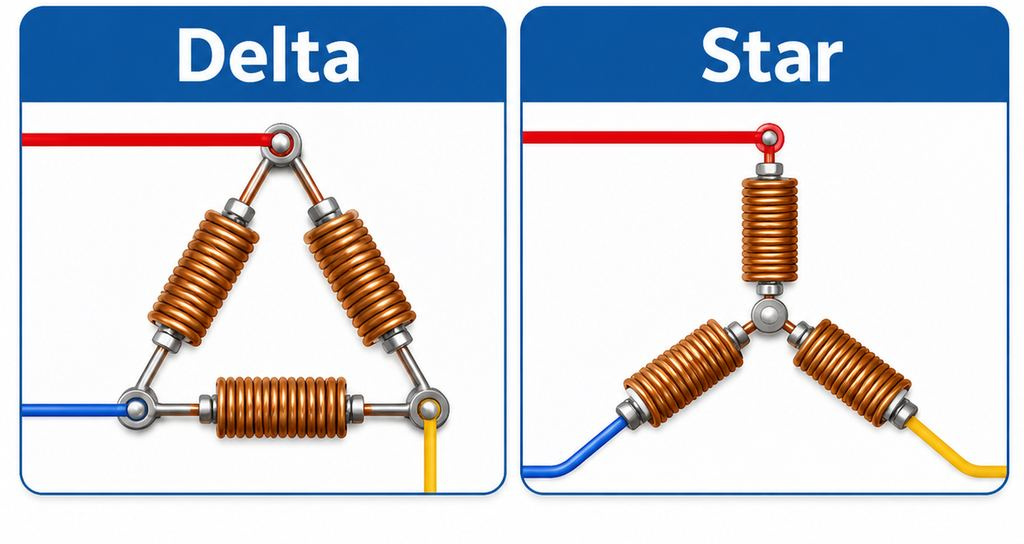
Startup Method: The chosen startup method—such as direct-on-line (DOL), star-delta, or variable frequency drive (VFD)—plays a pivotal role in controlling startup current. For instance, starting a motor with star-delta connections reduces voltage during initial startup, thereby minimizing inrush current. Similarly, soft starters and VFDs allow gradual voltage increases, limiting current surge while offering smoother acceleration.
These variables highlight the importance of both motor selection and operational planning. Engineers need to carefully evaluate motor ratings, load conditions, and available startup methods to ensure efficient operation and avoid undue stress on electrical systems.
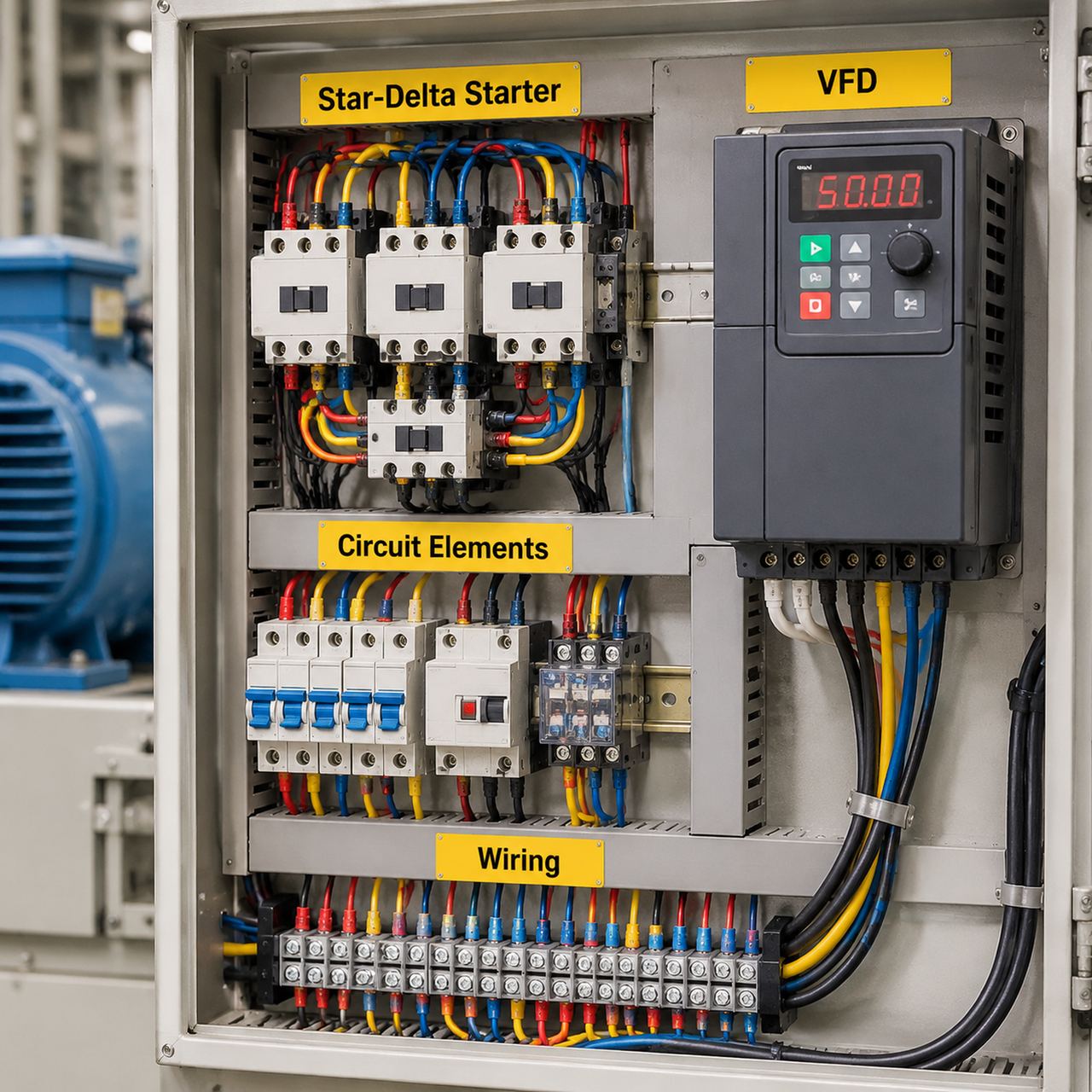
Close-up of motor control panel with switches and wiring
Frequently Asked Questions about Induction Motor Current
What is the starting current for an induction motor?
When an induction motor starts, it draws a considerably high current, also known as inrush current. Often this value is five to seven times higher than its rated operational current. The high current occurs because the rotor is stationary while the stator generates a rotating magnetic field, creating maximum slip and inducing a large current in the rotor. The current drops as the rotor accelerates and approaches its operating speed.
How much current does a motor pull on startup?
The startup current depends on the motor’s design and application. For a standard three-phase induction motor started via direct-on-line (DOL), the inrush current typically ranges from 500% to 700% of its rated running current. Smaller or high-efficiency motors might mitigate this but still experience significant surges.
Are induction motors AC or DC?
Induction motors are exclusively AC devices, as their operation relies on alternating current to produce the rotating magnetic field that drives the rotor. They are widely used in industrial and commercial applications due to their simplicity and rugged construction.
How can you reduce the motor inrush current?
Inrush current can be reduced by using soft starters, variable frequency drives (VFDs), or star-delta starters. These methods work by gradually ramping up voltage or modifying the motor’s configuration to limit the current draw during the startup phase, protecting grid and motor components.
Key Observations on Induction Motor Startup Current
- Induction motors experience a phenomenon called inrush current during startup, where the initial current draw is significantly higher—often five to seven times the motor’s rated operational current.
- This sudden surge occurs because the rotor is stationary while the stator creates a rotating magnetic field, resulting in maximum slip and inducing a very high current in the rotor.
- The magnitude of startup current is influenced by factors such as motor design, size, and efficiency class, with larger and high-efficiency (IE3 or IE4) motors generally showing higher inrush currents.
- Electrical supply voltage plays a key role; low voltage can cause proportionally higher inrush current compared to motors designed for higher voltages.
- Startup methods like direct-on-line (DOL), Star-Delta, or soft starters can be implemented to reduce the current spike and avoid potential damage to the motor and other equipment.
Comparison of Different Starting Methods and Their Impact on Current
| Starting Method | Inrush Current | Key Impact |
|---|---|---|
| Direct-On-Line (DOL) | 500% to 700% of motor’s rated current | Highest initial current surge, potential voltage drop, requires robust protection devices. |
| Star-Delta Starter | Approximately 30% of DOL starting current | Reduces initial surge by starting in ‘star’ configuration with lower voltage, then switches to ‘delta’ for full load operation. |
| Auto-Transformer Starter | Adjustable (typically 50%-70% of DOL starting current) | Provides customizable reduction in starting current and voltage; more flexibility than Star-Delta. |
| Soft Starter | Gradual ramp-up to rated current | Smooth acceleration reduces thermal stress and mechanical wear, eliminating current spikes. |
| Variable Frequency Drive (VFD) | Minimal or as required | Precise control of current and speed; most efficient method for managing startup current and torque. |


2 thoughts on “What Happens to Current When an Induction Motor Starts?”