Introduction to Squirrel Cage Induction Motors
Squirrel cage induction motors are a cornerstone of industrial machinery, known for their robust design, easy maintenance, and reliable performance. These motors derive their name from the physical resemblance of the rotor bars to a squirrel cage, which plays a central role in their operation. Utilizing electromagnetic induction principles, they excel in providing steady torque and efficient operation across a wide range of applications, from pumps to conveyors.
The popularity of squirrel cage induction motors stems from their simplicity, low cost, and durability in demanding conditions. As a type of asynchronous motor, they are built to comply with strict international standards such as IEC 60034, ensuring compatibility and reliability for uses across industries. These factors have made them indispensable for OEMs and maintenance teams looking for practical and high-performing solutions.
Key Advantages of Squirrel Cage Induction Motors
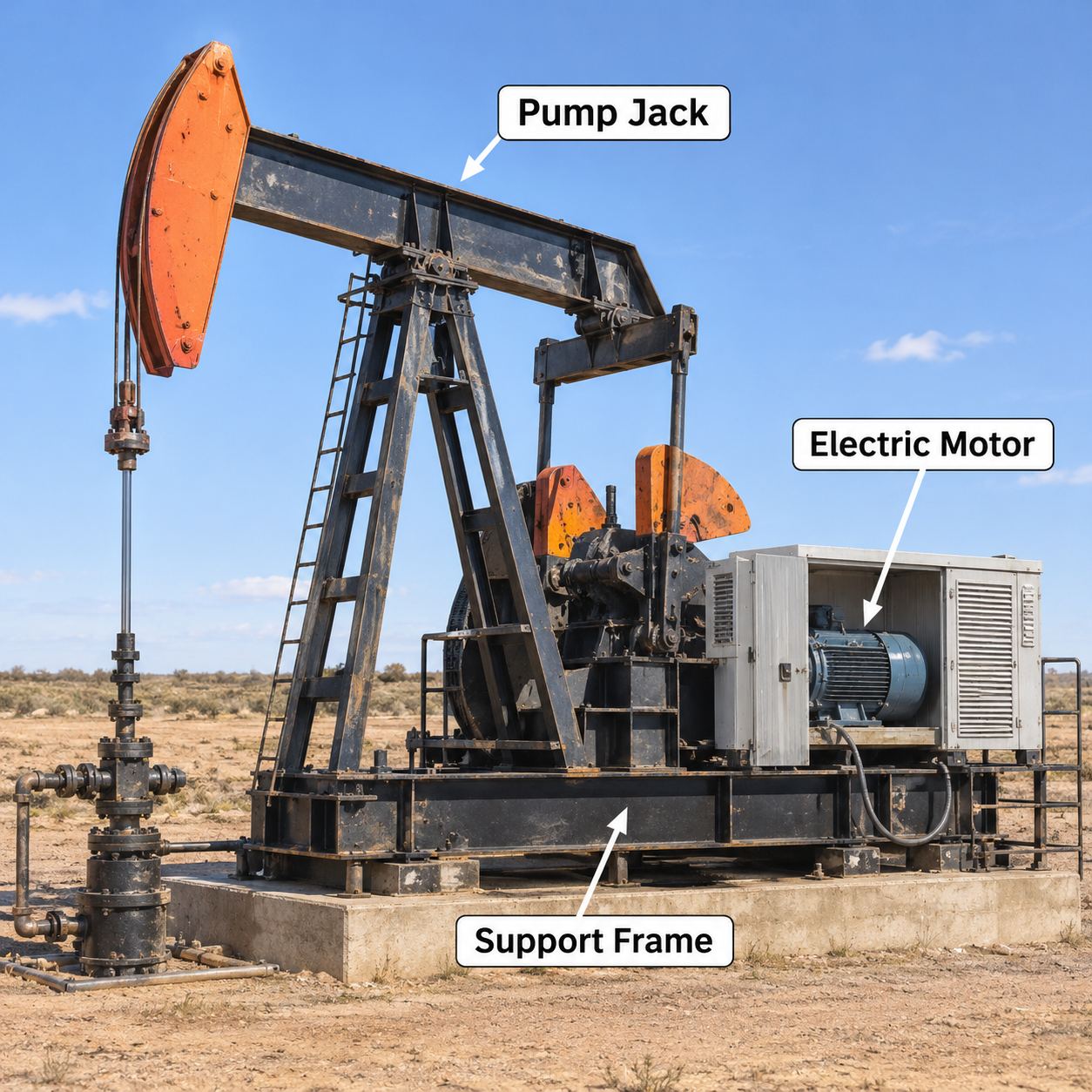
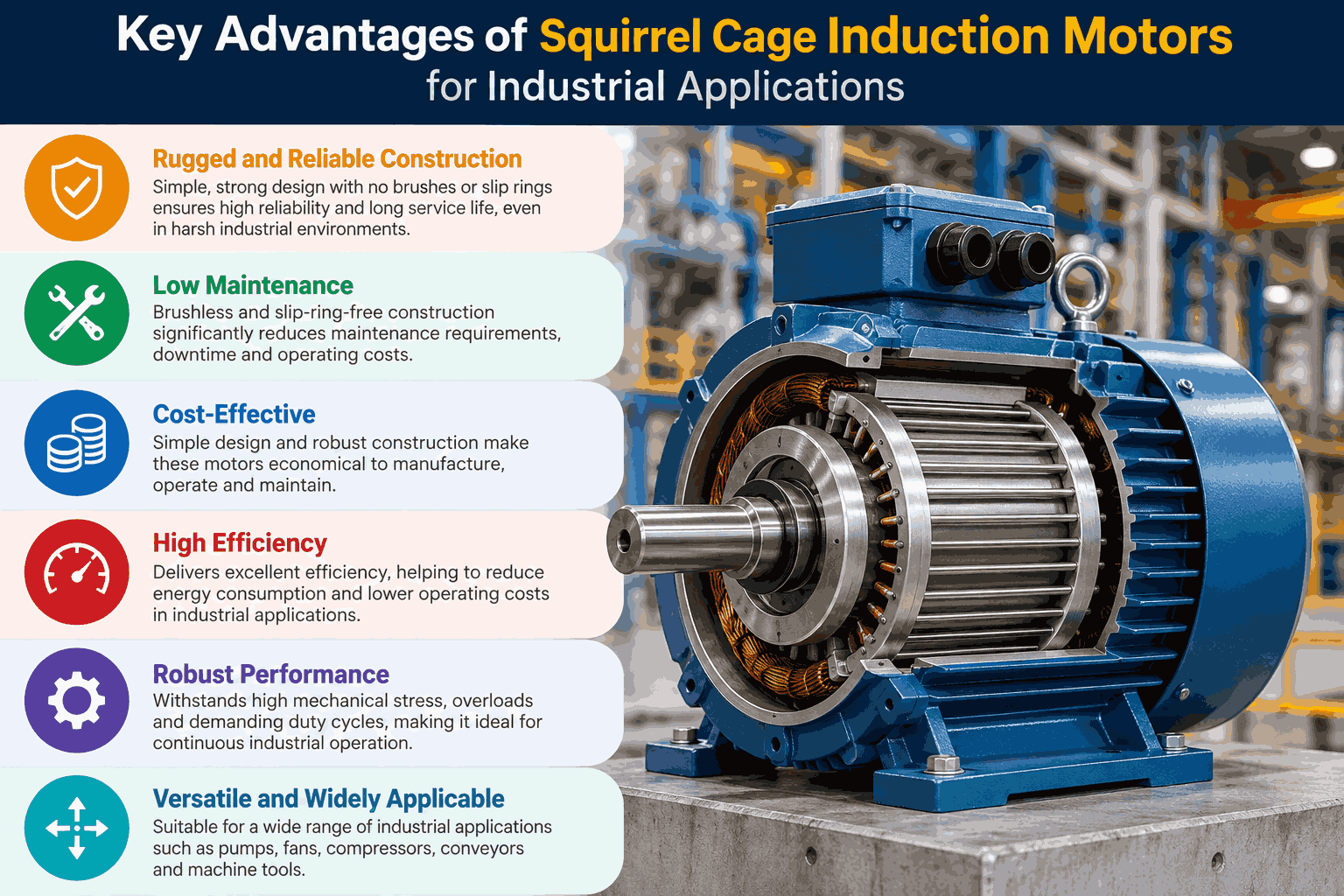
- Durability in Challenging Environments: Squirrel cage induction motors are built with a rugged construction, often featuring fully enclosed designs like TEFC (Totally Enclosed, Fan-Cooled) with IP55 protection. This ensures excellent resistance to dust, moisture, and harsh environmental conditions, making them highly suitable for industries such as mining, agriculture, and material handling.
- Low Maintenance Requirements: Unlike motors with slip rings or brushes, squirrel cage induction motors lack these wear-prone components, minimizing ongoing expenses and downtime associated with maintenance. This simplicity is invaluable for round-the-clock operations in sectors like manufacturing.
- Cost-Effectiveness: Primarily due to their simple design and widespread availability, squirrel cage induction motors deliver a lower initial purchase cost compared to other motor types. Additionally, their reliability reduces long-term operating costs, balancing CAPEX and OPEX effectively.
- Energy Efficiency: Over the years, these motors have evolved to meet IE2, IE3, and even IE4 efficiency standards under IEC 60034 regulations. Their ability to perform efficiently at high loads helps manufacturers reduce electricity costs substantially.
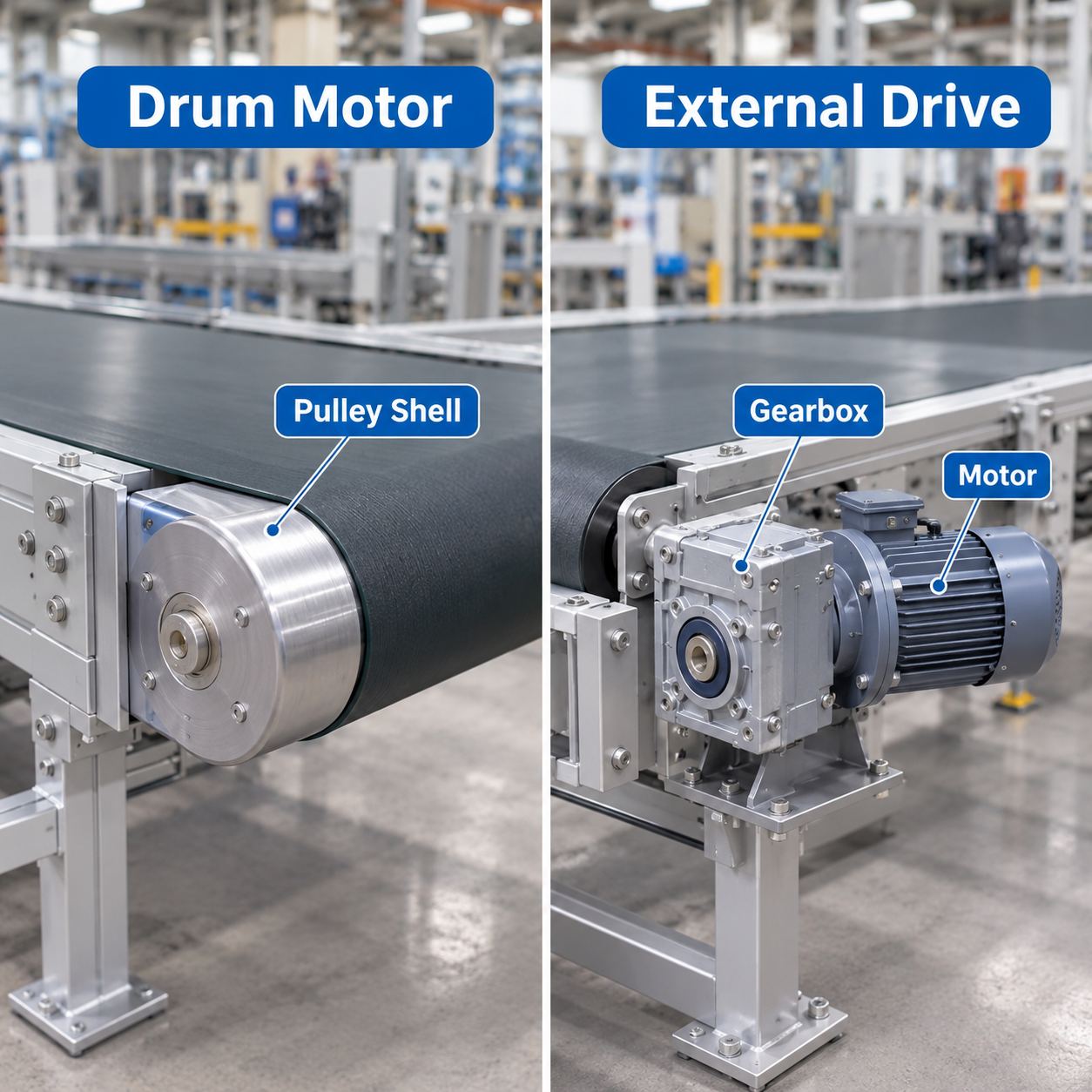
- Wide Range of Applications: From powering conveyor belts to running HVAC systems, squirrel cage induction motors are versatile. Their steady torque and efficient performance across a broad range of speeds make them an industry favorite for general-purpose applications.
Key Characteristics of Squirrel Cage Induction Motors
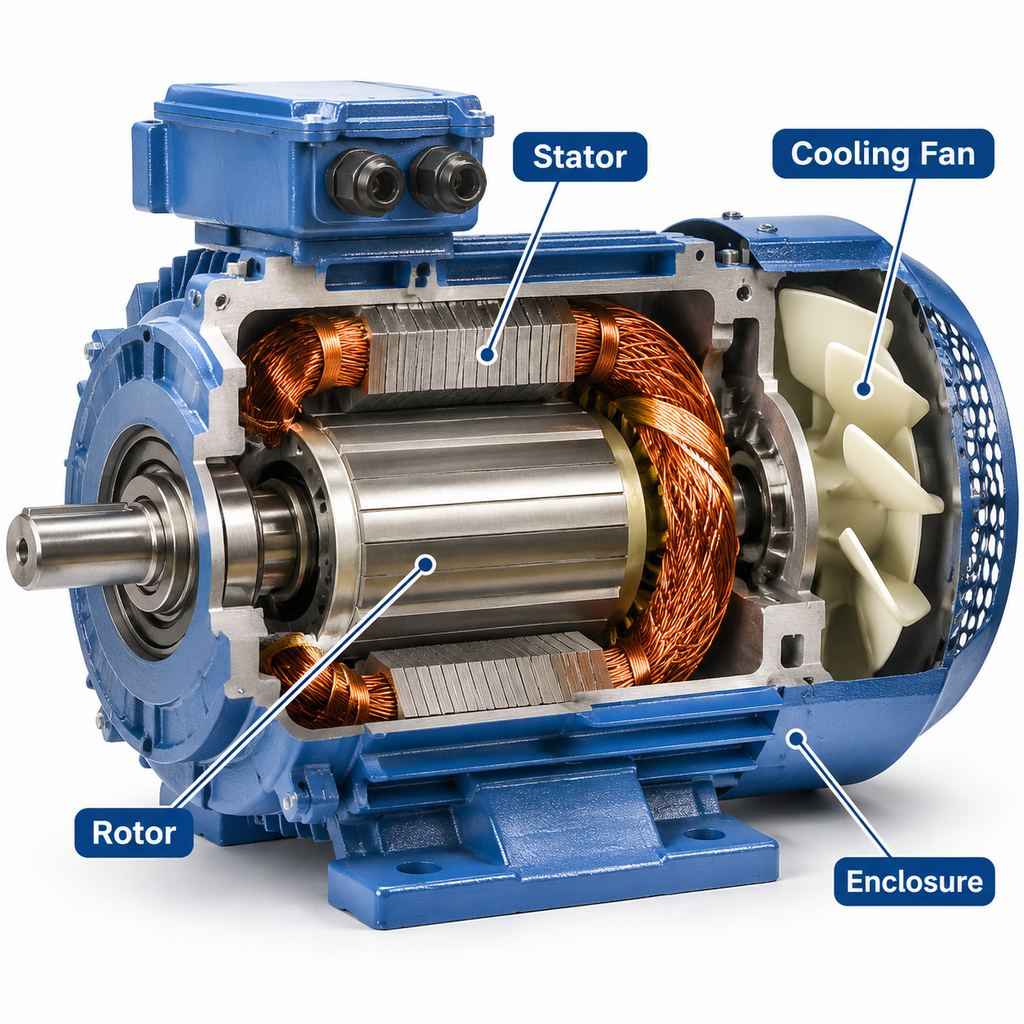
Squirrel cage induction motors stand out due to a set of distinct characteristics that make them an industry favorite. At their core is the rotor, which consists of aluminum or copper bars connected by end rings, forming a cage-like shape—hence the name “squirrel cage.” This design is not only simple and robust but also eliminates the need for brushes or slip rings, significantly reducing maintenance needs and improving reliability.
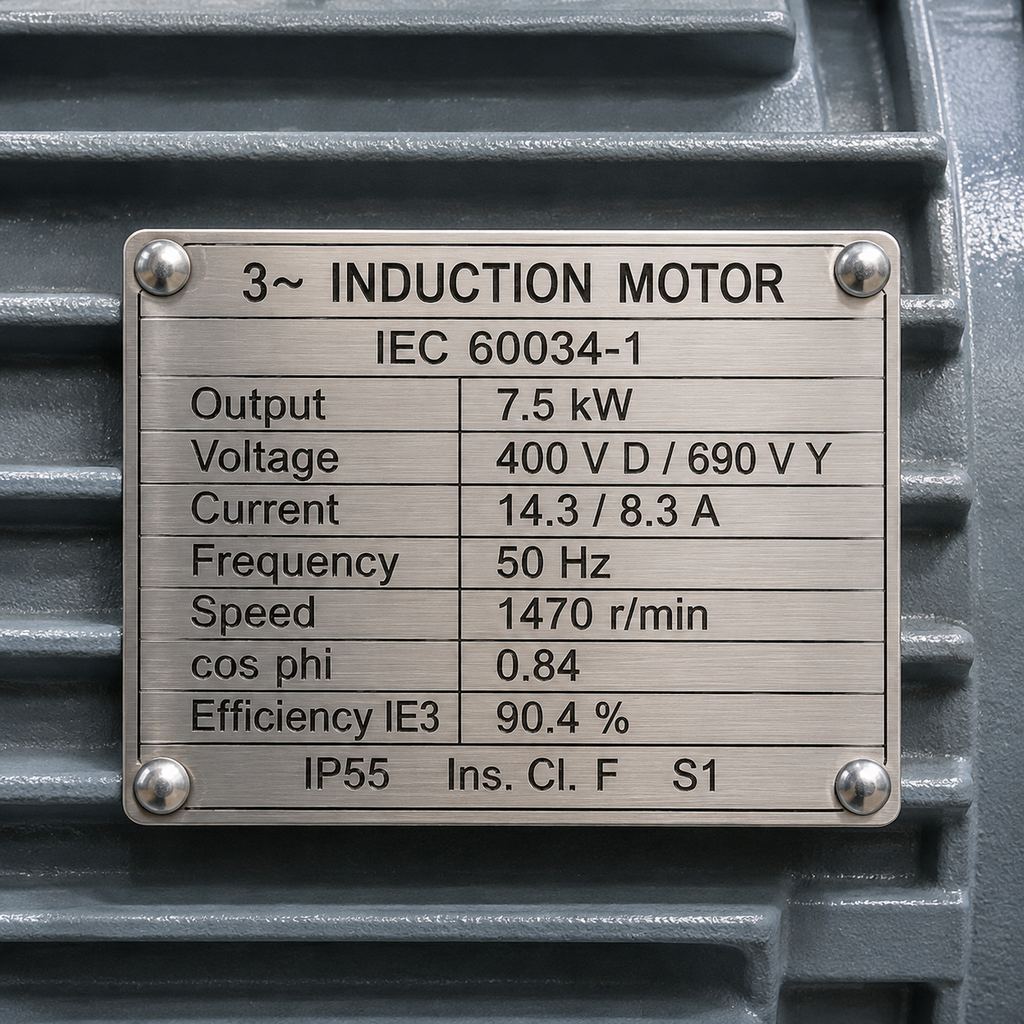
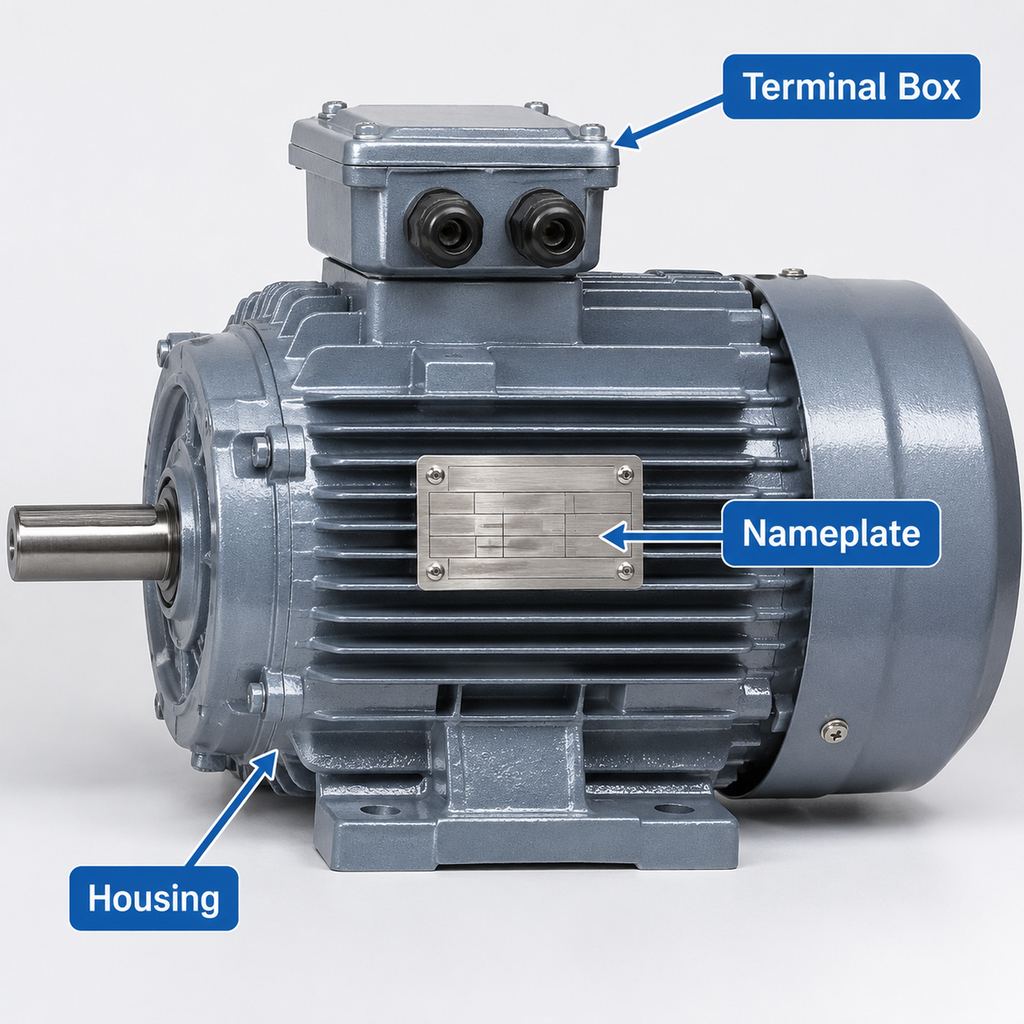
Another key attribute is their adaptability to harsh environments. These motors often feature a Totally Enclosed Fan-Cooled (TEFC) design and typically meet IP55 protection standards, making them resistant to dust, water, and contaminants. Options like JWMotor’s Y2 series align with global IEC 60034 standards, ensuring compatibility and easy integration into diverse applications like pumps, fans, and conveyors.
Thermal durability is another advantage. Many squirrel cage motors use Class F insulation tested within Class B limits, enhancing their resilience to thermal stress in continuous operation or short-term overload conditions. Moreover, design simplicity means reduced energy losses, contributing to cost-effective and energy-efficient performance.
These hallmark characteristics—the virtually maintenance-free operation, rugged construction, and thermal robustness—not only enable versatile applications but also make squirrel cage induction motors a reliable long-term investment in industrial settings.
Comparison with Other Motor Types
When comparing what is squirrel cage induction motor with slip ring induction motors, the differences cater to specific engineering needs. The squirrel cage design’s simplicity and durability make it a favored choice in industrial settings requiring minimal maintenance and high reliability. In contrast, although slip ring motors offer advantages such as higher starting torque for specialized applications, their complex maintenance needs and extra costs can be drawbacks for long-term operation efficiency. For a more detailed exploration of these motors’ benefits, visit Jiawang Motor’s squirrel cage motors page.
| Feature | Squirrel Cage Induction Motor | Slip Ring Induction Motor |
|---|---|---|
| Construction Simplicity | Simpler design with rotor bars and end rings, no brushes or slip rings. | Complex design with slip rings and brushes, requiring more maintenance. |
| Maintenance Requirements | Low maintenance due to lack of wear-prone components. | Higher maintenance due to brushes and slip rings. |
| Durability in Harsh Environments | Typically designed with TEFC housing and IP55 protection for adverse conditions. | More susceptible to environmental wear due to exposed components. |
| Efficiency | Higher efficiency for most standardized operational settings. | Lower efficiency, but provides higher starting torque when needed. |
| Operational Cost | Lower operational cost due to fewer parts and higher energy efficiency. | Higher operational costs due to frequent maintenance and energy losses. |
Frequently Asked Questions
What are the downsides of a squirrel cage induction motor?
While squirrel cage induction motors are highly reliable and efficient, they aren’t ideal for applications requiring adjustable speed or very high starting torque. These motors often require additional equipment, such as a variable frequency drive (VFD), for speed control. Additionally, their starting current can be relatively high, leading to electrical stress in systems without proper precautions.
How does a squirrel cage motor differ from other induction motors?
The main difference lies in the rotor construction. A squirrel cage motor uses fixed aluminum or copper bars connected by end rings for simplicity and durability, while slip ring motors have windings connected to external resistors for higher torque and speed control. However, slip ring motors often require more maintenance.
Why is the starting current of a squirrel cage motor high?
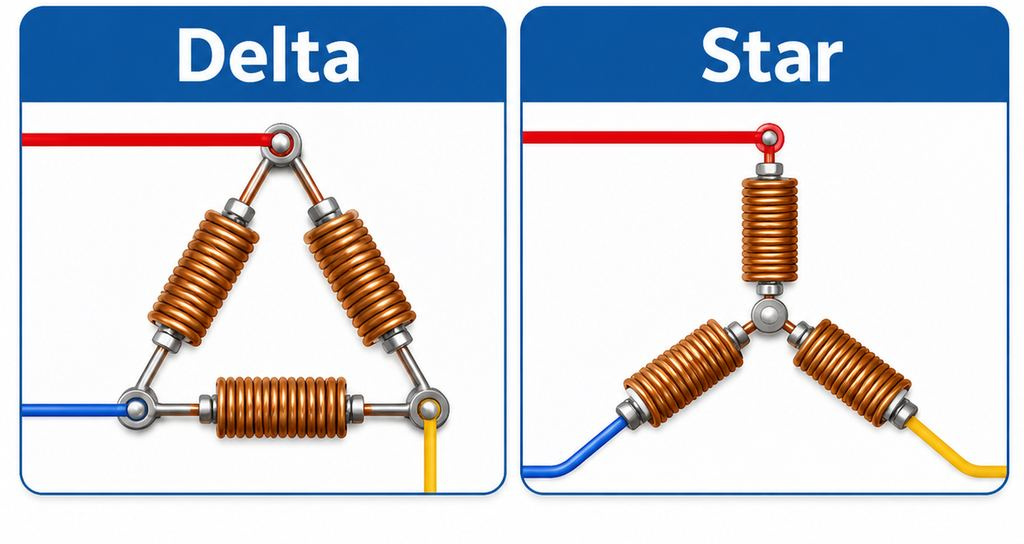
The high starting current results from the motor’s design, where the rotor bars are short-circuited. At startup, without a significant back EMF, a large inrush occurs. This can be mitigated using star-delta starters or soft starters for smoother operation.
Is it hard to retrofit or replace a squirrel cage induction motor?
No, replacement is typically straightforward. Squirrel cage induction motors like those designed to IEC standards (e.g., Jiawang Motor’s squirrel cage motors) follow standardized dimensions, ensuring compatibility with existing installations without major modifications.
Are squirrel cage motors expensive to operate?
Operating costs for squirrel cage motors are usually low because of their high efficiency in continuous operation, especially in IE2 or higher efficiency classes. However, keep in mind the potential need for external components, such as VFDs, for specialized applications, which could marginally increase costs.
Conclusion
In conclusion, squirrel cage induction motors have solidified their place as indispensable components across a variety of industrial applications. Their robust design, low-maintenance operation, and cost-effectiveness make them a top choice for engineers and buyers seeking reliable solutions for continuous-duty machinery like pumps, fans, conveyors, and compressors. Coupled with their adaptability to harsh environments and compliance with international standards such as IEC 60034, they are well-equipped to handle demanding scenarios while maintaining efficiency and performance. For anyone considering equipment upgrades or replacements, squirrel cage induction motors present a practical, economic, and durable solution. To explore available options, visit Jiawang Motor’s squirrel cage induction motors for more detailed information and specifications.