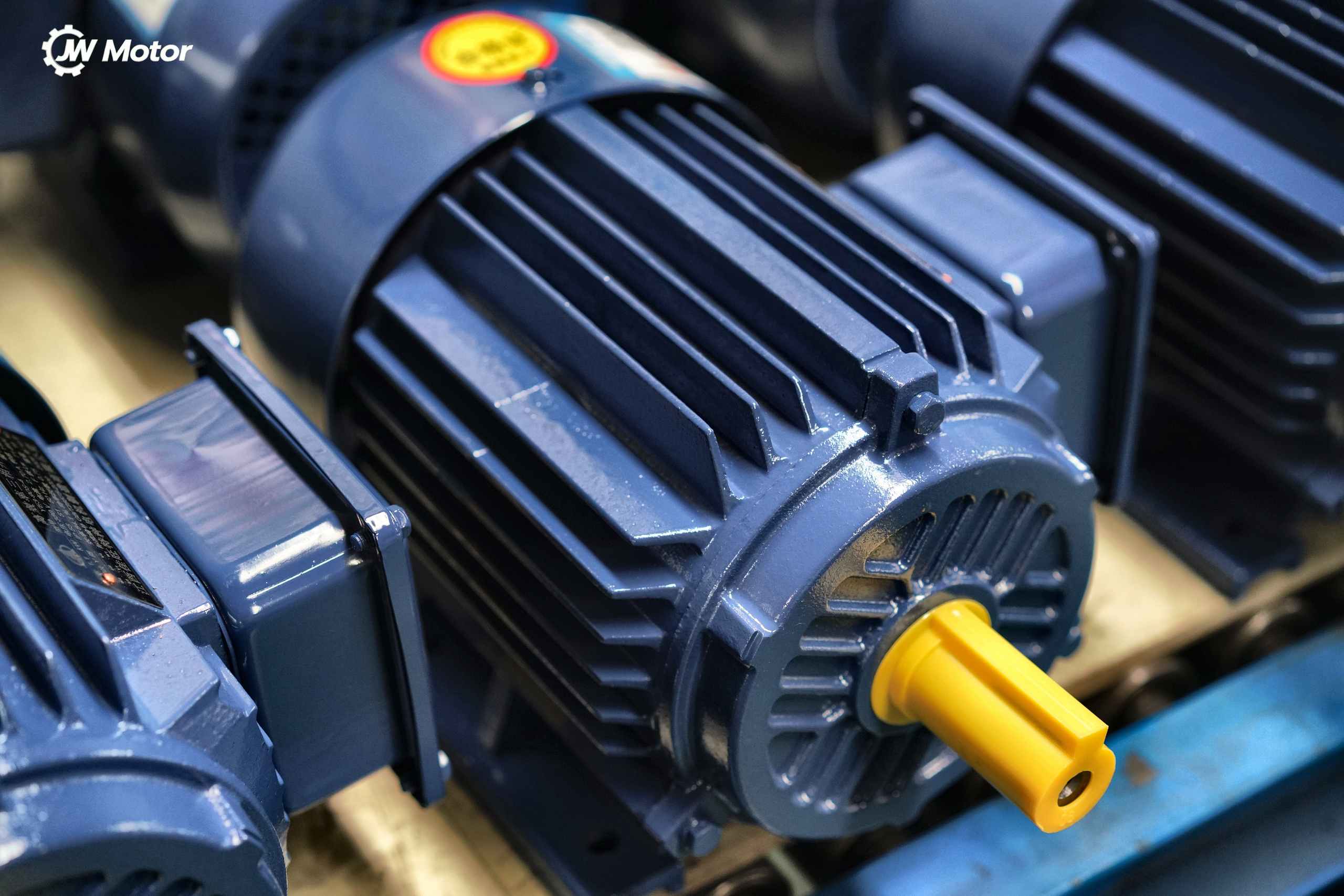
220/380 · 380/660 · 400/690 V · Three-phase
Dual Voltage Motors
A dual-voltage motor carries two voltages on its nameplate, such as 380/660 V, and runs on either one depending on how it is connected. Our catalog lists 220/380 V, 380/660 V and 400/690 V, alongside single voltages from 380 to 690 V. Tell us your supply and we match the winding.
Voltages in our catalog
This is the full list as printed. It ends with “etc.”, so other supplies are a question to ask, not a no.
| Type | Voltages | Where it is stated |
|---|---|---|
| Single voltage | 380 V, 400 V, 415 V, 660 V, 690 V | Catalog, standard technical characteristics |
| Dual voltage | 220/380 V, 380/660 V, 400/690 V | Catalog, standard technical characteristics |
| Rated voltage range | 220–690 V | YE3, Y2 and YE4 product pages |
| Voltage tolerance | ±5% | YE3, Y2 and YE4 product pages |
| Published performance data | 380 V, 50 Hz (frame 400 top ratings at 660 V) | Catalog series tables |
We do not publish a connection chart here. The connection for each voltage is on the motor nameplate. Follow it, and confirm with us before you switch on if you are unsure.
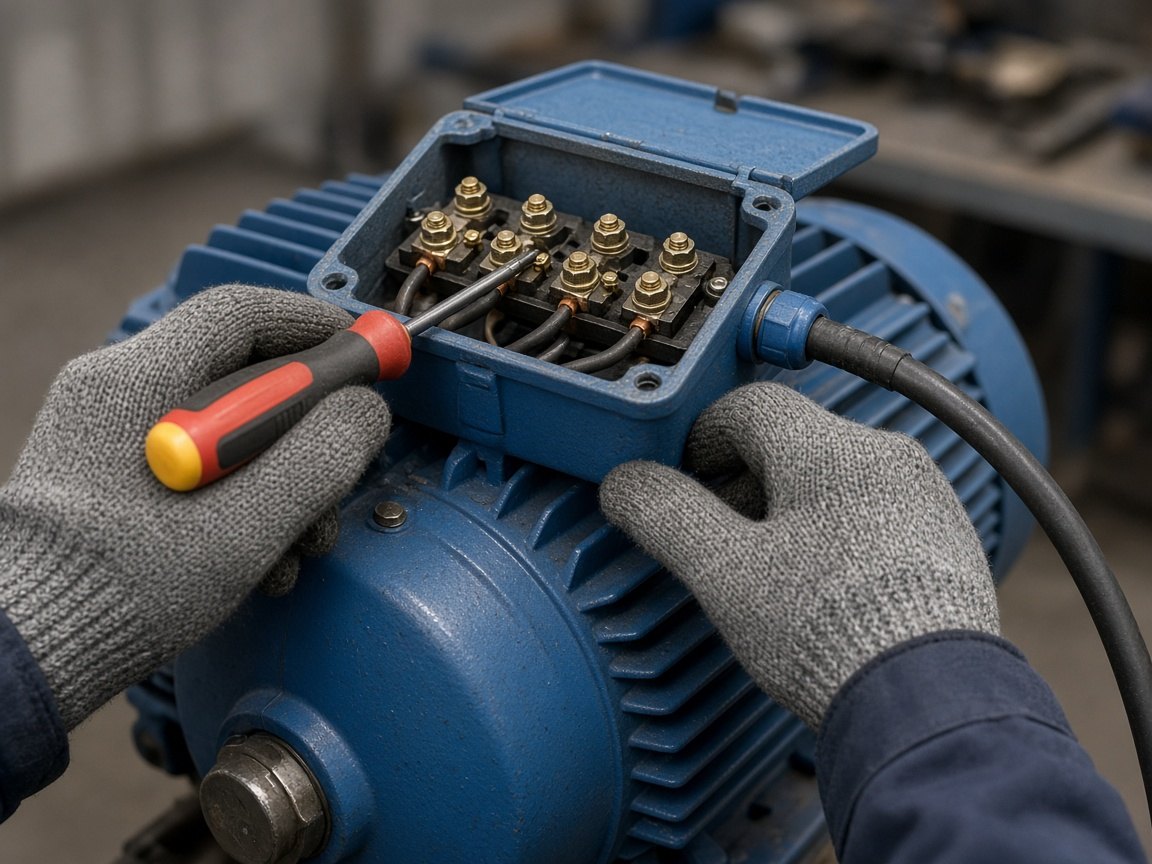
How to read a dual rating
Two figures on the nameplate, one winding inside.
01
Two figures, two connections
The slash gives the two supply voltages the winding can be connected for. The lower figure uses one connection, the higher figure the other.
02
Current follows the voltage
Cable and protection are sized from the nameplate figure for the voltage you actually connect.
03
Starting method matters
Tell us how the motor starts: direct on line, star-delta starter, soft starter or converter. It affects which rating fits your supply.
04
Not the same as wide-voltage
Our wide-voltage design is about riding through grid drops. A dual rating is about two different supplies.
Matched to your supply
The winding is built for the voltage you have, checked before we quote.
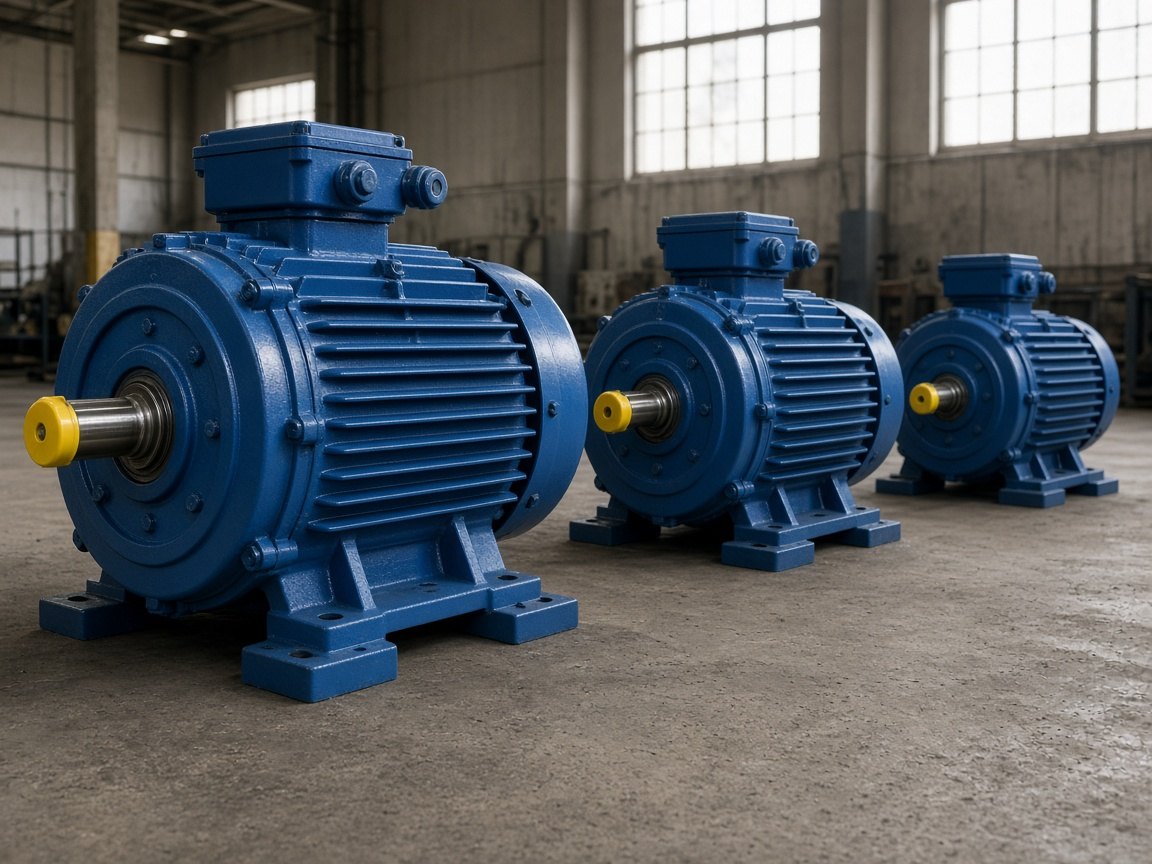
Voltage customization
Your voltage, your grid
We customize electrical specifications to match your regional grid or industrial application. Unusual voltages go through technical verification before you get a price.
380 · 400 · 415 · 660 · 690 V · 220/380 · 380/660 · 400/690 V
Reading an existing motor? See our nameplate guide.
Who needs a dual rating
Equipment for several markets
One machine design shipped to sites with different supplies.
660 and 690 V sites
Higher-voltage distribution, listed in the catalog as single and dual ratings.
Replacements
Matching the dual rating of the motor being replaced.
Building for more than one market? See OEM motors.
Ask for a dual-voltage motor
Give us the supply and the starting method.
- Line voltage and frequency at site
- The dual rating you want, for example 380/660 V
- Starting method: direct, star-delta, soft starter or converter
- kW and poles, or the old nameplate
- Mounting: B3, B5, B35 or V1
- Quantity
Jiangxi Jiawang Special Motor · +86 199 0684 4761 · [email protected] · 1-year warranty on all products
Dual voltage questions
What does 380/660 V on a nameplate mean?
The motor can be connected for a 380 V supply or for a 660 V supply. The connection for each is shown on its nameplate.
Which dual voltages do you offer?
The catalog lists 220/380 V, 380/660 V and 400/690 V, and single voltages of 380, 400, 415, 660 and 690 V.
Can you build a pair that is not on the list?
The catalog list ends with “etc.” Send your supply and we confirm whether we can build it. We do not promise a pair until the quote.
Is the performance the same on both voltages?
Our published tables are at 380 V and 50 Hz. Ratings for your connection are confirmed with the quote.
How much voltage variation can the motor take?
The product pages state ±5%. If your grid swings more, say so when you inquire.
