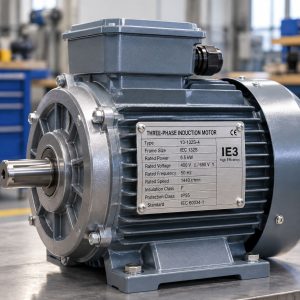
IEC 60034 · IEC 60072-1
IEC electric motors
Cast-iron three-phase induction motors in IE2, IE3 and IE4. Shaft centre height, foot pattern and flange follow IEC metric frames, so a same-frame replacement lines up on the baseplate.
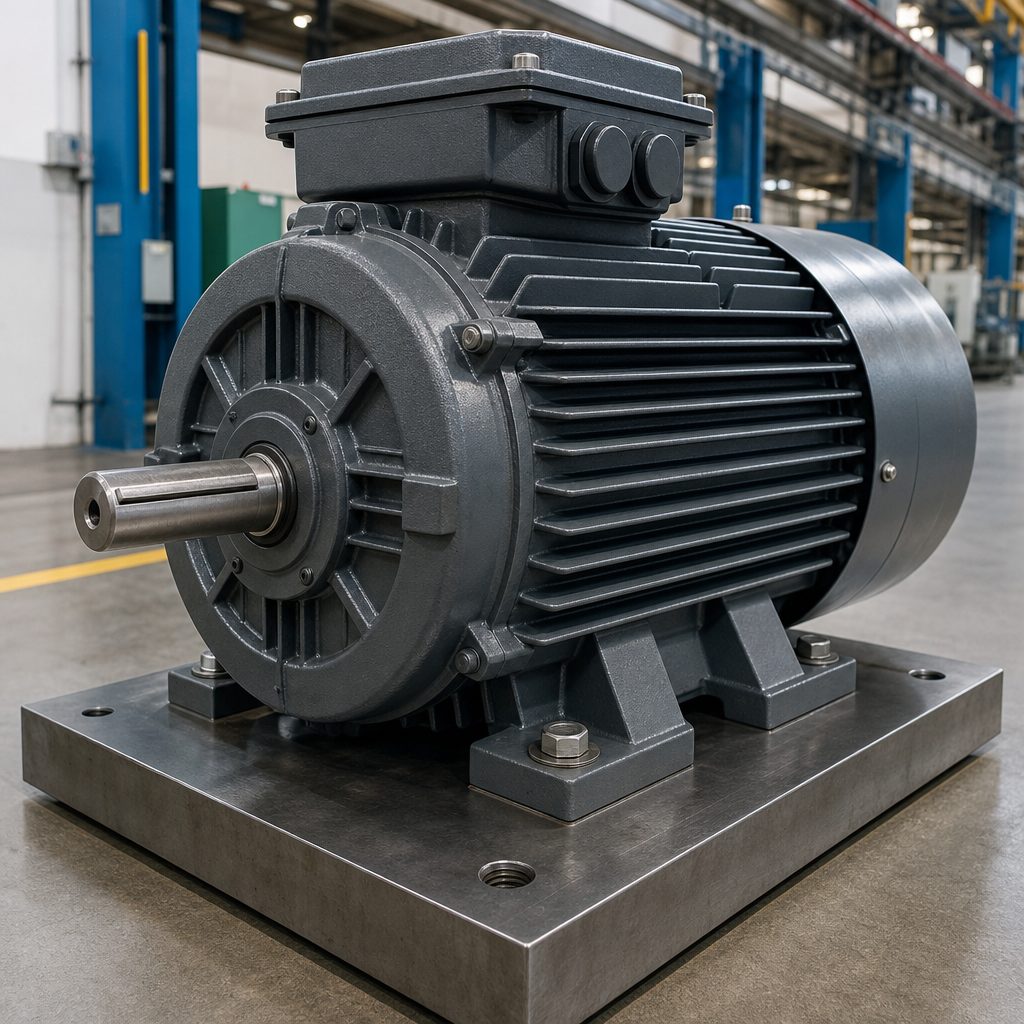
Three dimensions that have to match
A same-frame replacement lines up when shaft centre height, foot pattern and flange agree with the motor already on the base. The kW grid stays on each series page.
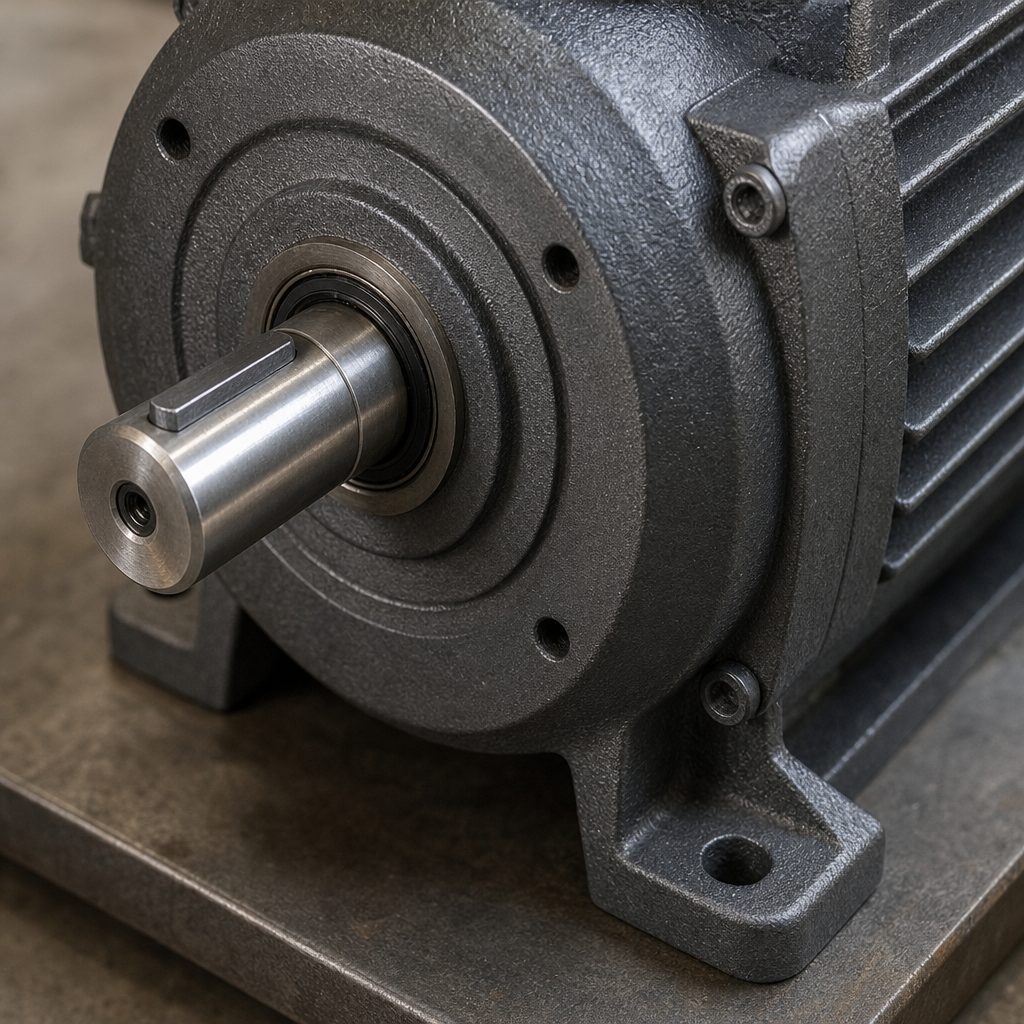
01
Shaft centre height
Distance from the foot face to the shaft centre. Y2 and YE3 publish it to IEC 60072-1. YE4 uses the IEC centre height of the IE2 or IE3 machine it replaces.
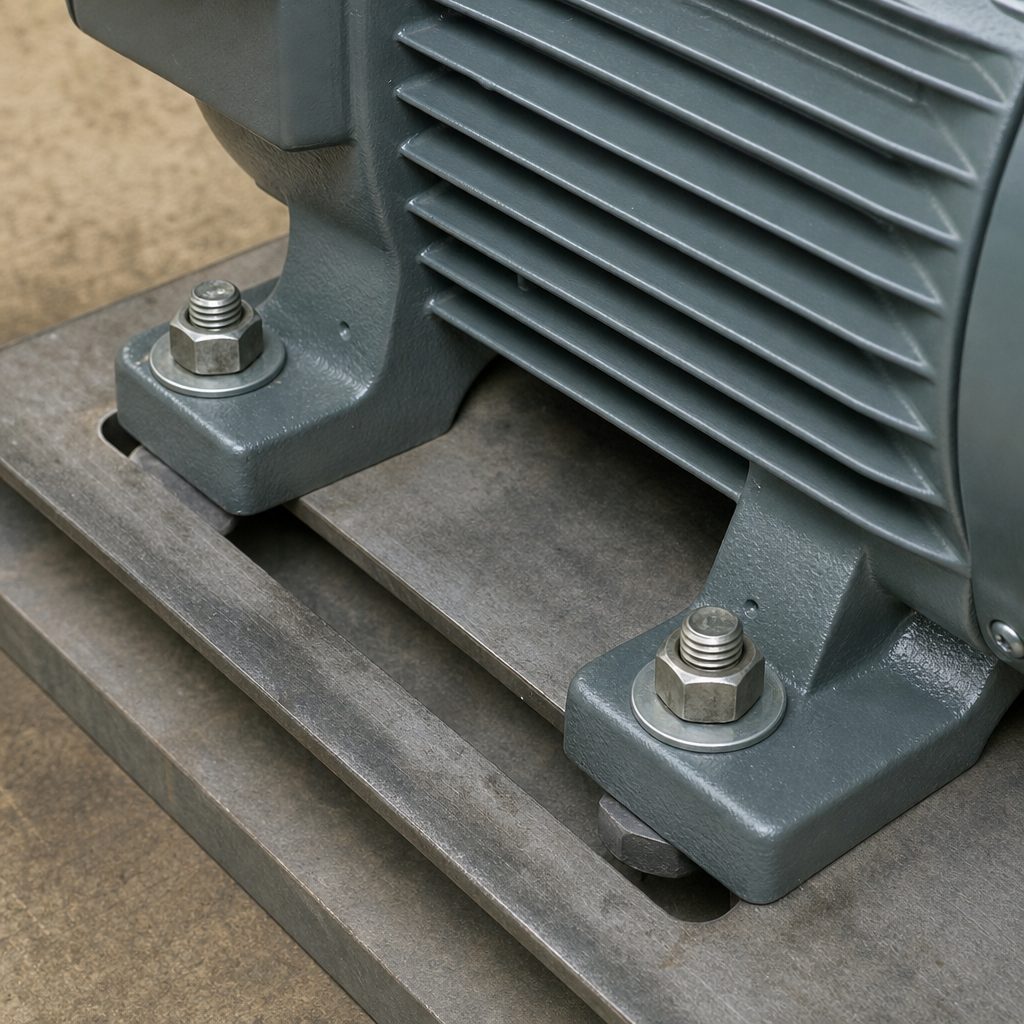
02
Foot pattern
Bolt spacing of the feet. Y2 and YE3 publish the foot mounting pattern to IEC 60072-1, so the baseplate is not remachined. YE4 is specified to leave the baseplate as it is.
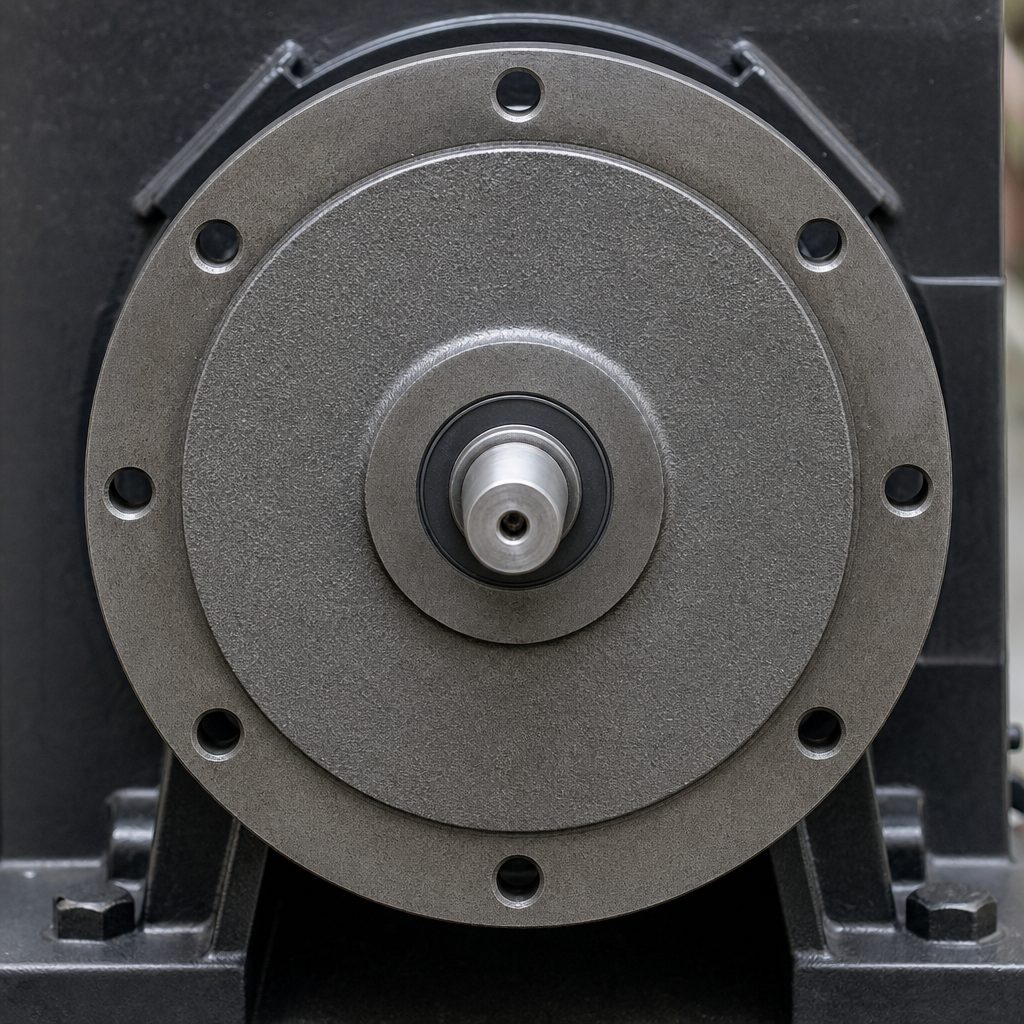
03
Flange
Y2 publishes flange dimensions to IEC 60072-1 and DIN 42673. YE3 publishes flange dimensions to IEC 60072-1. On the YE3 page, frames such as 132M and 160L are the examples.
Three series, one metric frame
The nameplate efficiency class is the difference. Mounting intent stays IEC metric, so the same frame meets the same base.
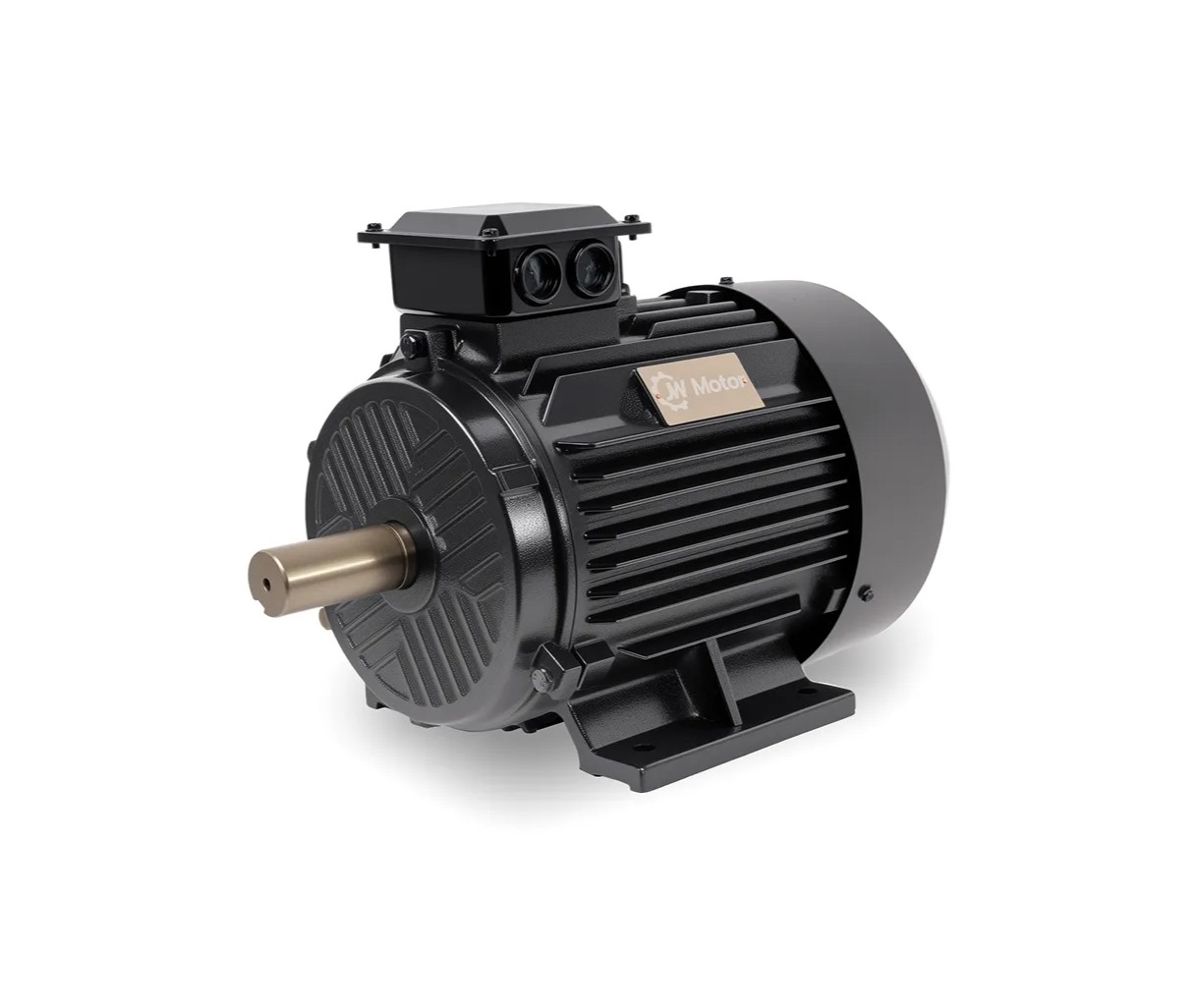
IE2 · frames 63–355
Y2
IEC 60034, IEC 60072-1 and DIN 42673. Shaft centre height, foot pattern and flange match the Siemens 1LA7 / 1LG4 and ABB M2BA machines named on the Y2 page. HT200 cast-iron frame and end shields.
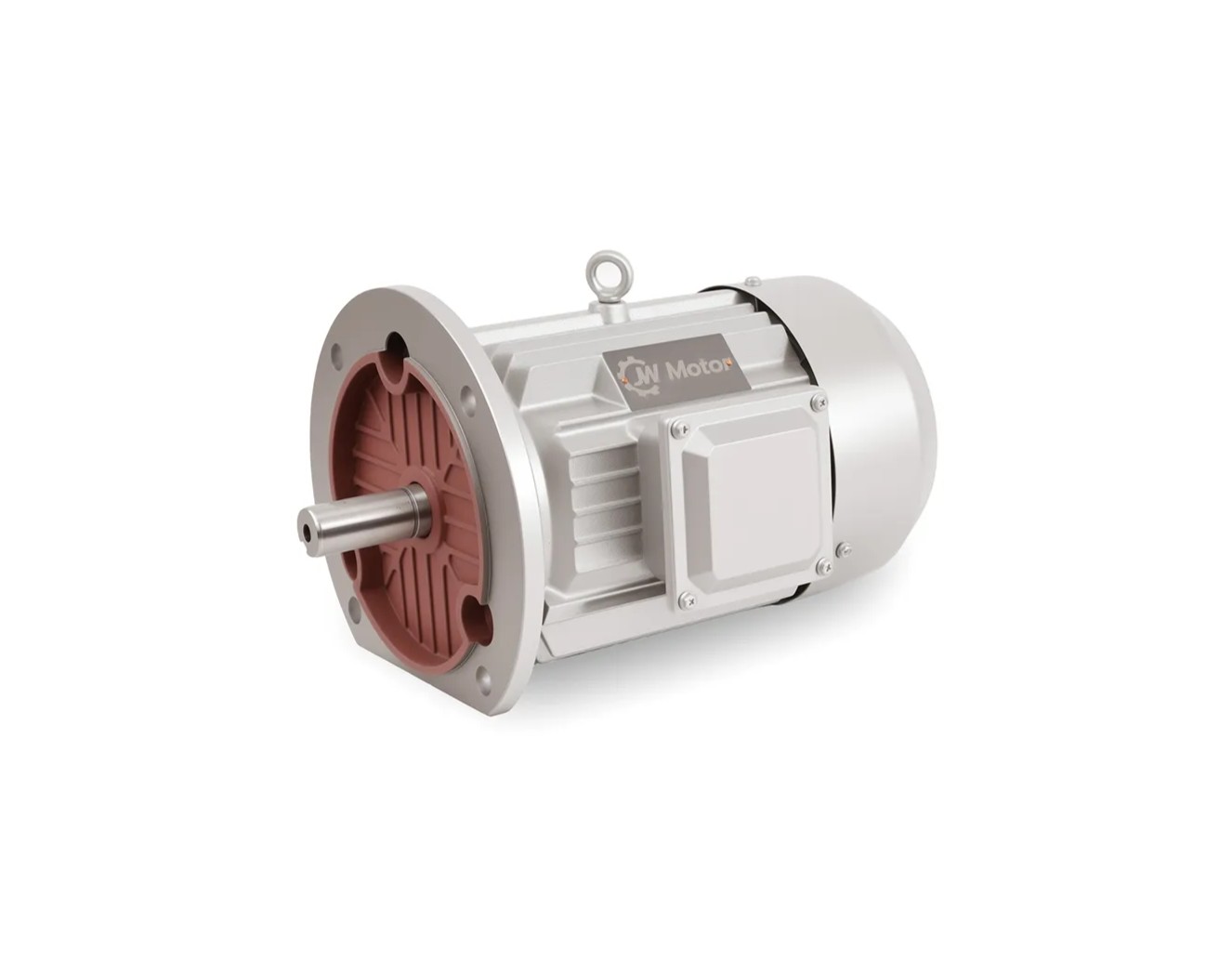
IE3 · IEC 60072-1
YE3
Shaft height, foot mounting pattern and flange to IEC 60072-1. On a standard frame such as 132M or 160L, bolt spacing, shaft centre height and flange align, and the baseplate is not remachined.
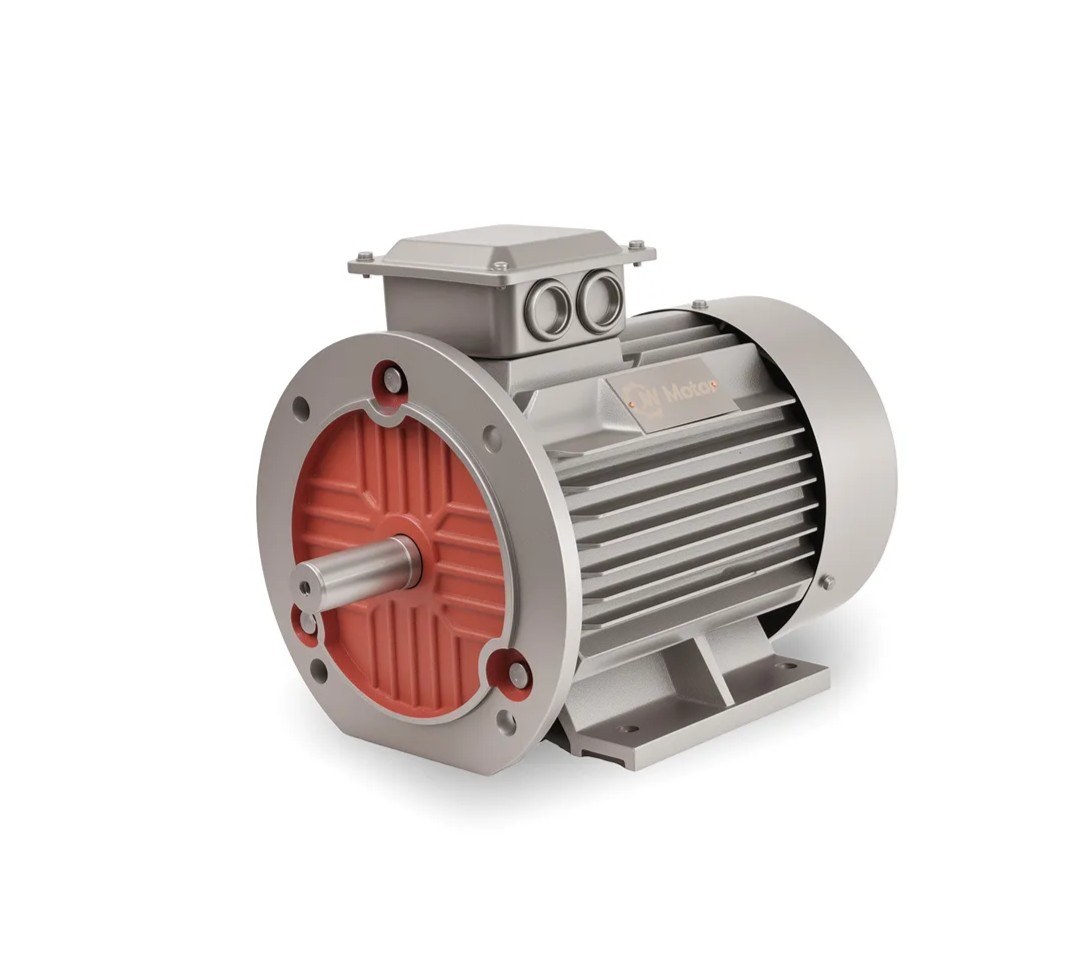
IE4 · same centre height
YE4
IEC frame size, centre height and shaft diameter match the IE2 or IE3 installation. The baseplate, coupling and equipment design stay. In a tight guard, check length and weight before you order.
Mounting on the drawing
B3, B5, B35 and V1 are the positions published on the customization page. They follow IEC mounting practice.
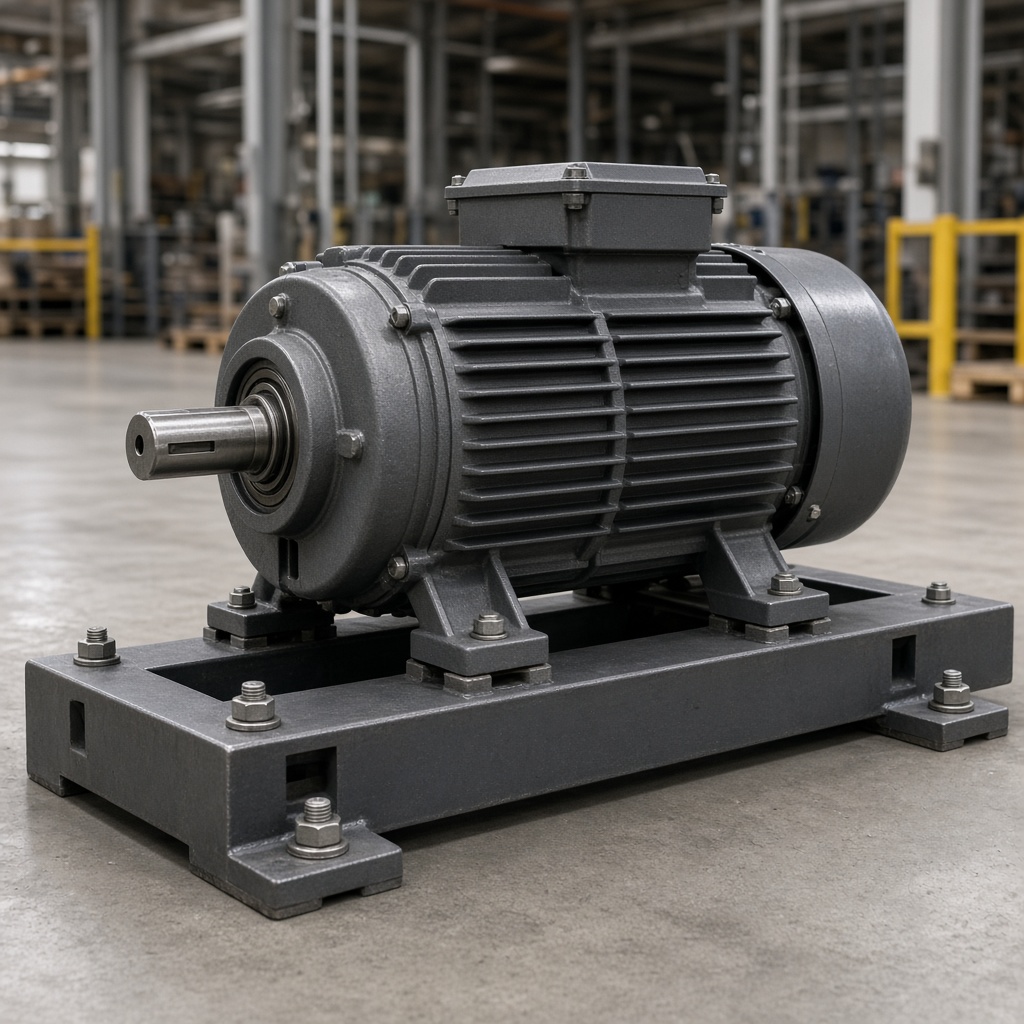
B3
Foot mounted
Feet on the frame, horizontal, bolted to a baseplate.
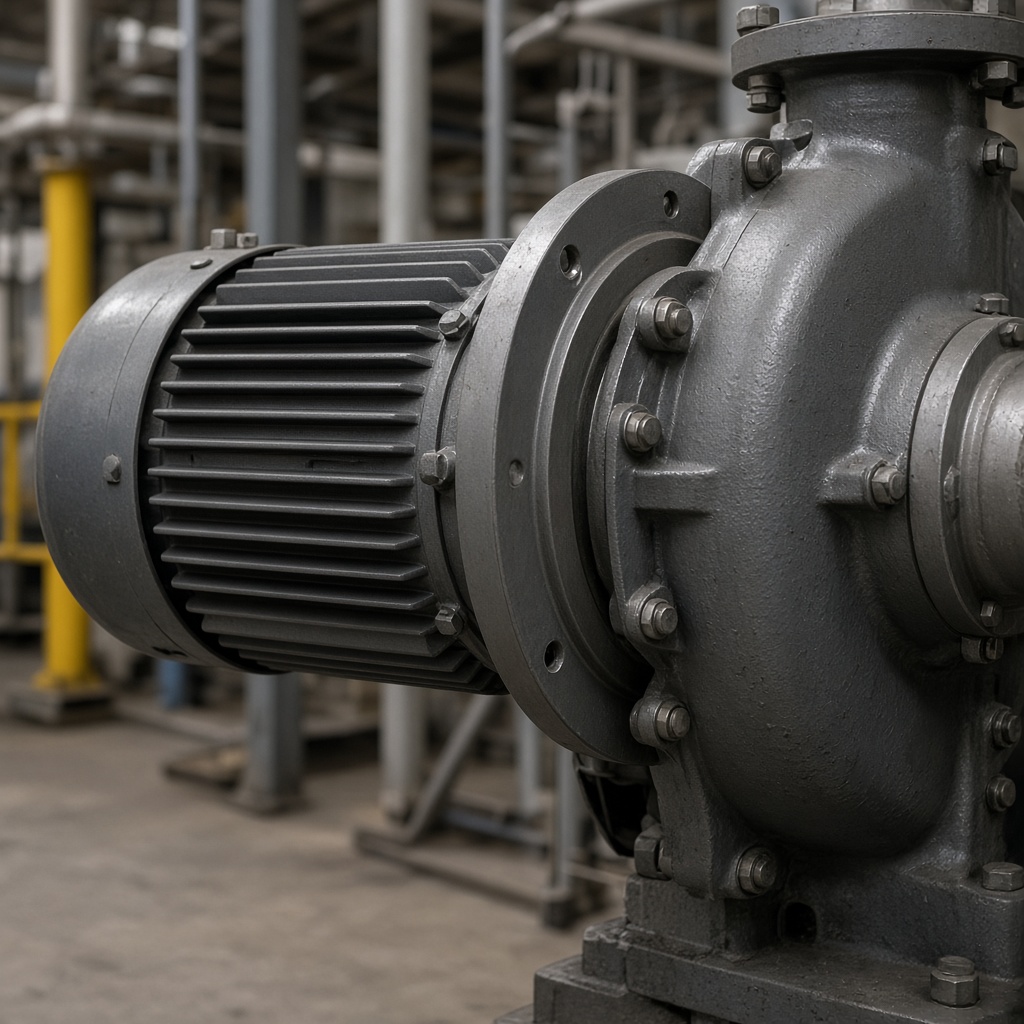
B5
Flange mounted
Large flange with through-holes and no feet. Used for close-coupled duties such as pumps.
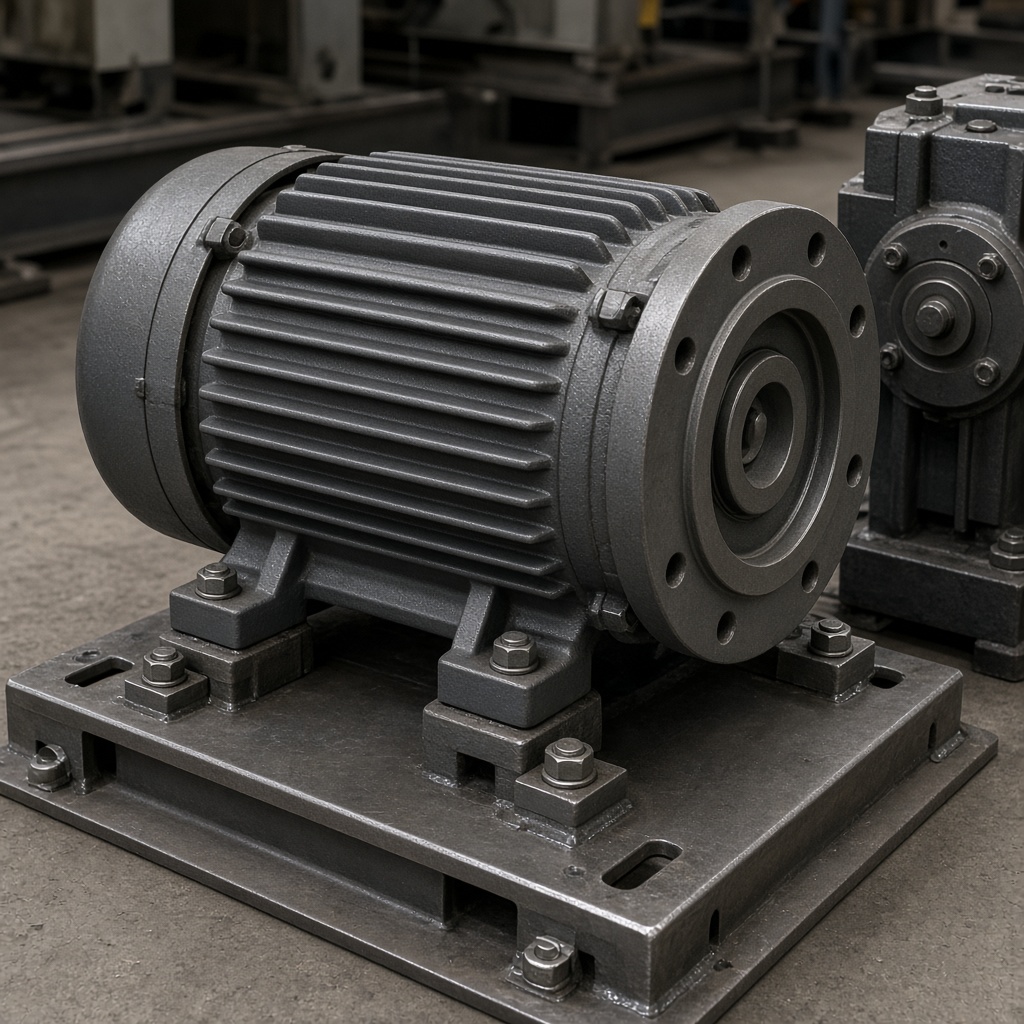
B35
Foot and flange
Feet on the frame plus a B5 flange.
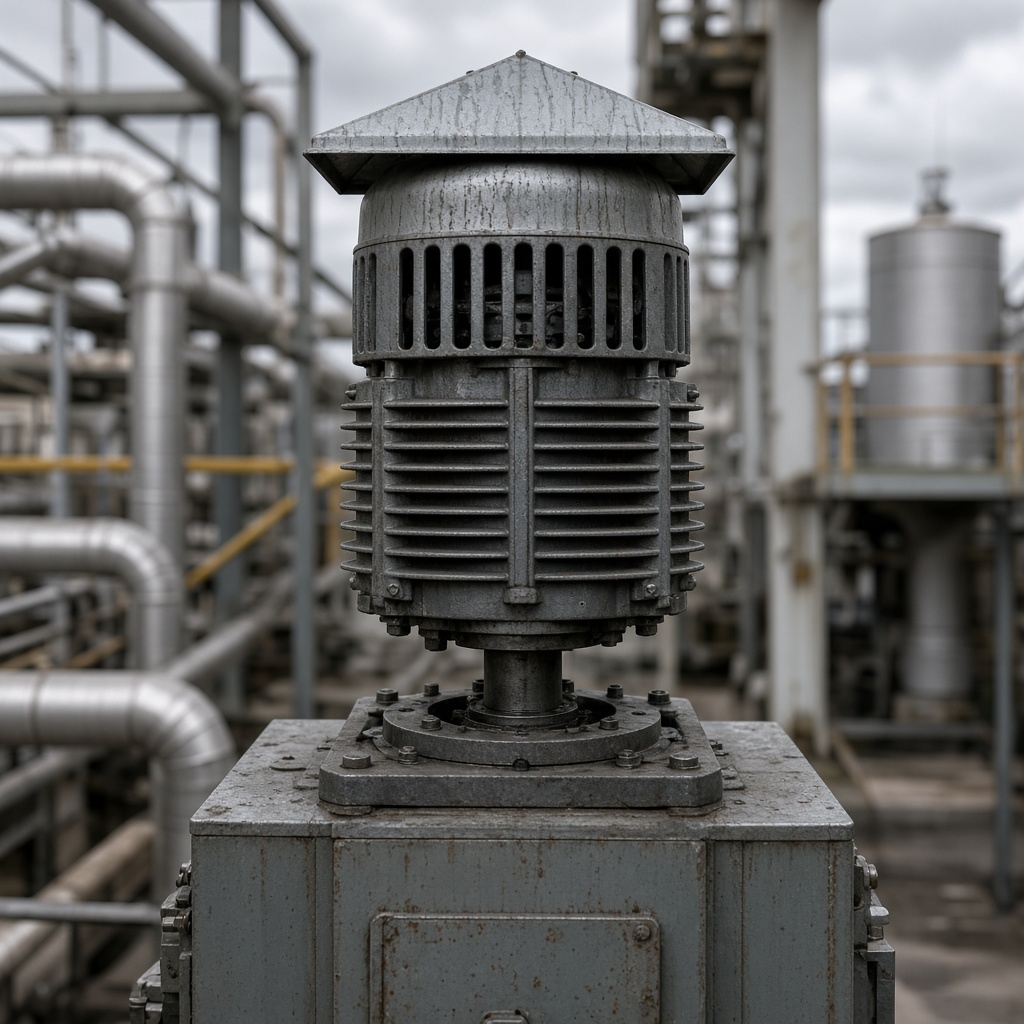
V1
Vertical, shaft down
Flange-mounted with the shaft pointed down. Outdoor sets often use a rain canopy.
B14 face mount, B34, V3 and V5 are also supported. A drawing for those positions goes through customization.
What a same-frame swap replaces
Each series page states its own match. Send the frame number with the inquiry.
Y2
Older Y-series motors, and the Siemens 1LA7 / 1LG4 and ABB M2BA machines named on the Y2 page. Frames run 63–355, with the same shaft centre height, feet and flange.
YE3
An IE1 or IE2 motor on a standard IEC frame. The YE3 page uses 132M and 160L as examples, and answers yes for a Siemens, ABB or WEG IE1 motor when bolt spacing, shaft centre height and flange match.
YE4
An IE2 or IE3 motor on the same IEC frame. Centre height and shaft diameter match. Length and weight can be slightly higher, so check clearance where the guard is tight.
Quote from the frame
A series page holds the kW grid. The quotation needs the plate and the mounting.
- Frame size
- Mounting: B3 foot, B5 flange, or B35
- Shaft diameter and extension, or a drawing
- kW, poles or rated speed
- Voltage and frequency
- IE2, IE3 or IE4
A drawing for shaft, voltage or mounting goes through customization.
Questions from replacement jobs
What does IEC mean on this page?
Y2, YE3 and YE4 are cast-iron three-phase motors. Y2 publishes performance to IEC 60034, and shaft height, feet and flange to IEC 60072-1 and DIN 42673, frames 63–355. YE3 publishes shaft height, foot pattern and flange to IEC 60072-1. YE4 follows IEC frame size, centre height and shaft diameter.
Can this replace a Siemens, ABB or WEG IEC motor?
Y2 is documented as a drop-in for Siemens 1LA7 / 1LG4 and ABB M2BA, and for an older Y-series motor. YE3 matches bolt spacing, shaft centre height and flange on a standard IEC frame such as 132M or 160L. The YE3 page states that case for a Siemens, ABB or WEG IE1 motor. YE4 follows the IEC centre height and shaft diameter of the IE2 or IE3 machine it replaces. Confirm length and weight where the guard is tight.
Can YE4 use the same base as the IE2 or IE3 motor?
Yes, on centre height and shaft diameter. The YE4 page says the baseplate, coupling and equipment design stay. Reaching IE4 can make the motor slightly longer and heavier, so check external clearance in a tight space before you order.