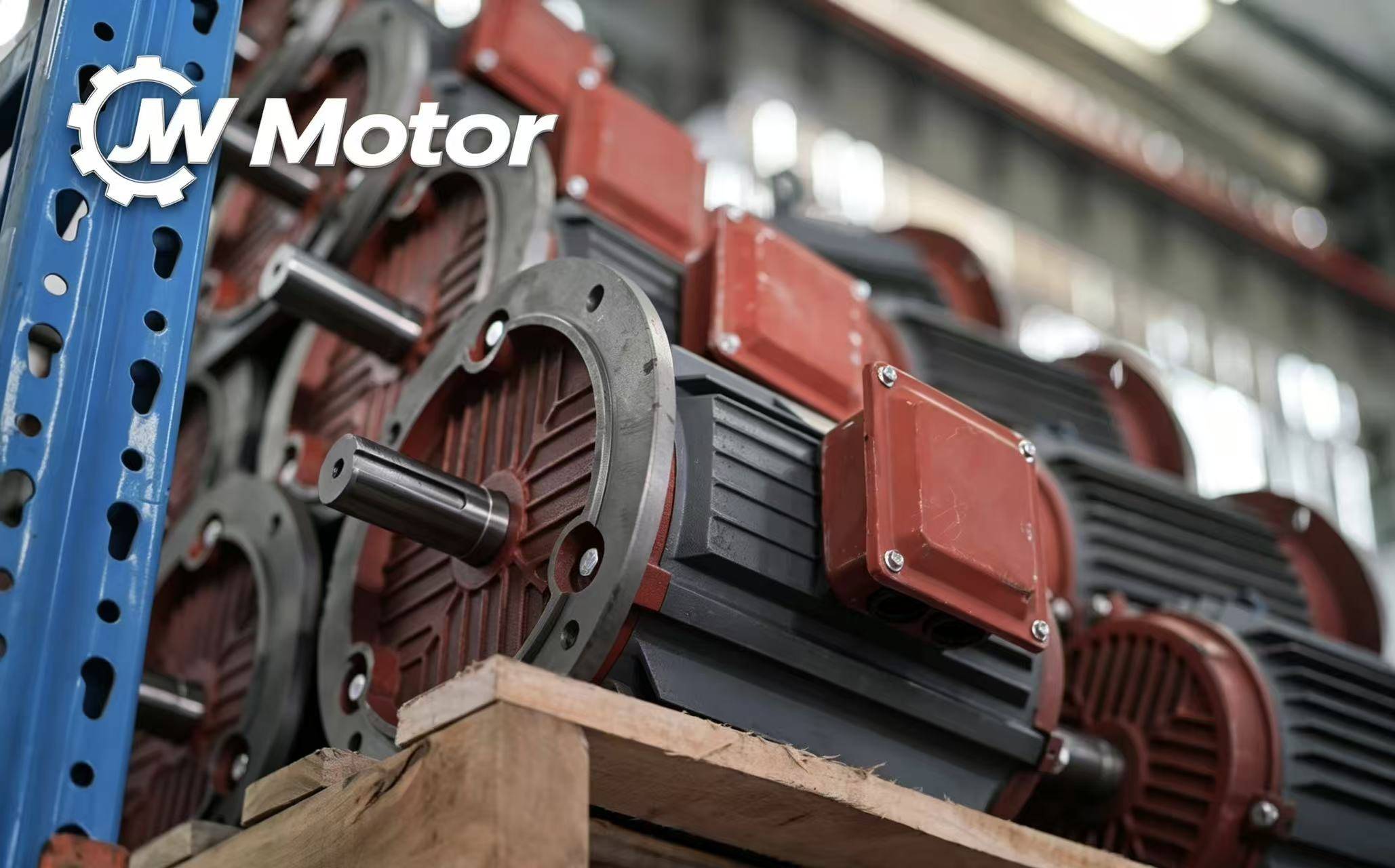
Y2 · YE3 · YE4
Three phase electric motors
Cast-iron three-phase induction motors in IE2, IE3 and IE4. IEC metric frames for pumps, fans, compressors and conveyors.
Three series, one IEC footprint
General-purpose cast-iron motors. Efficiency class is the nameplate difference. Frame, shaft height and mounting follow IEC metric practice so a same-frame replacement lines up on the baseplate.
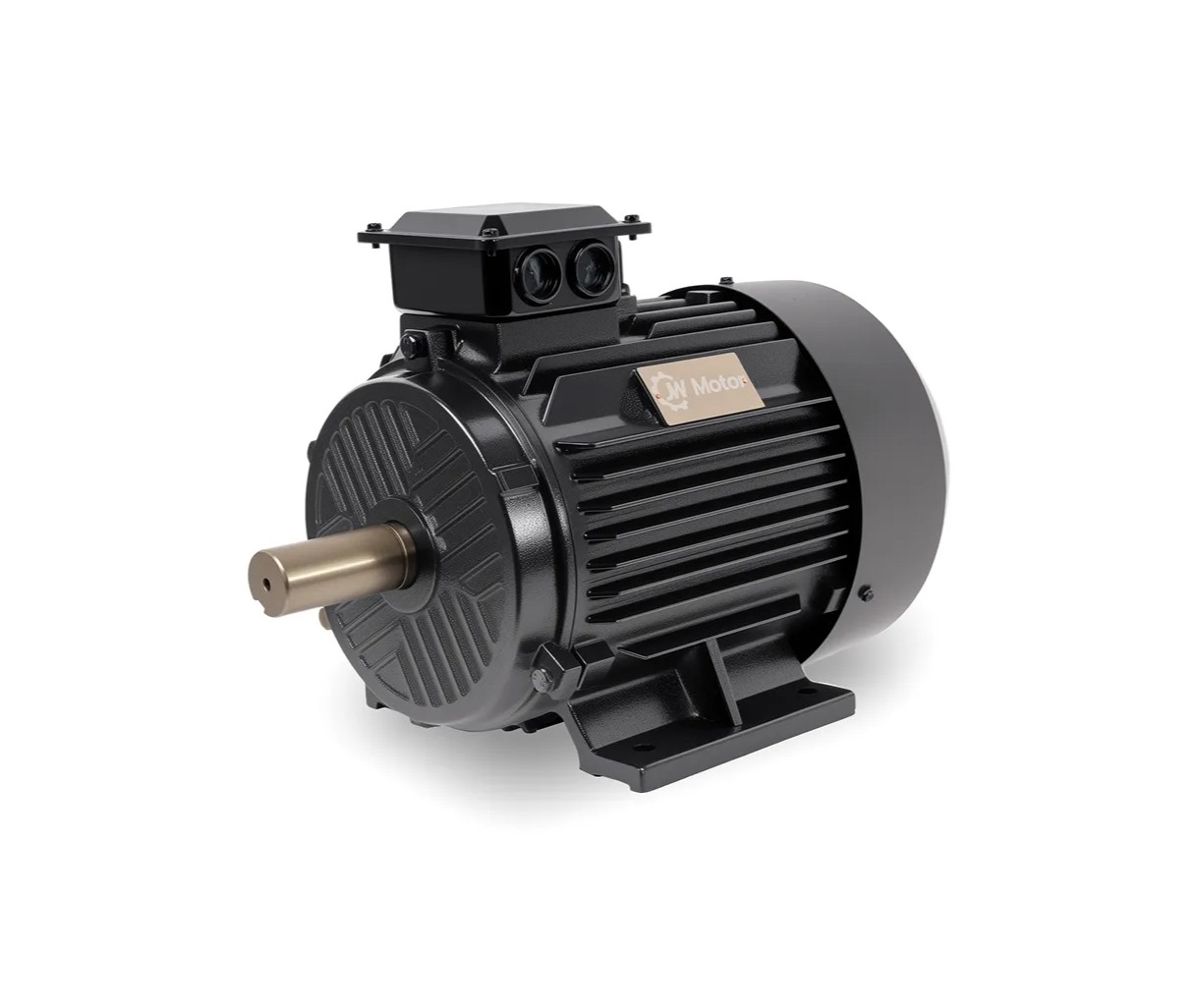
IE2 · high efficiency
Y2
TEFC, IC411, IP55, S1 continuous duty. HT200 cast-iron frame and end shields, IEC frames 63–355, Class F insulation with Class B temperature rise, ambient up to 40°C. High starting torque for cost-sensitive pumps, fans, compressors and conveyors.
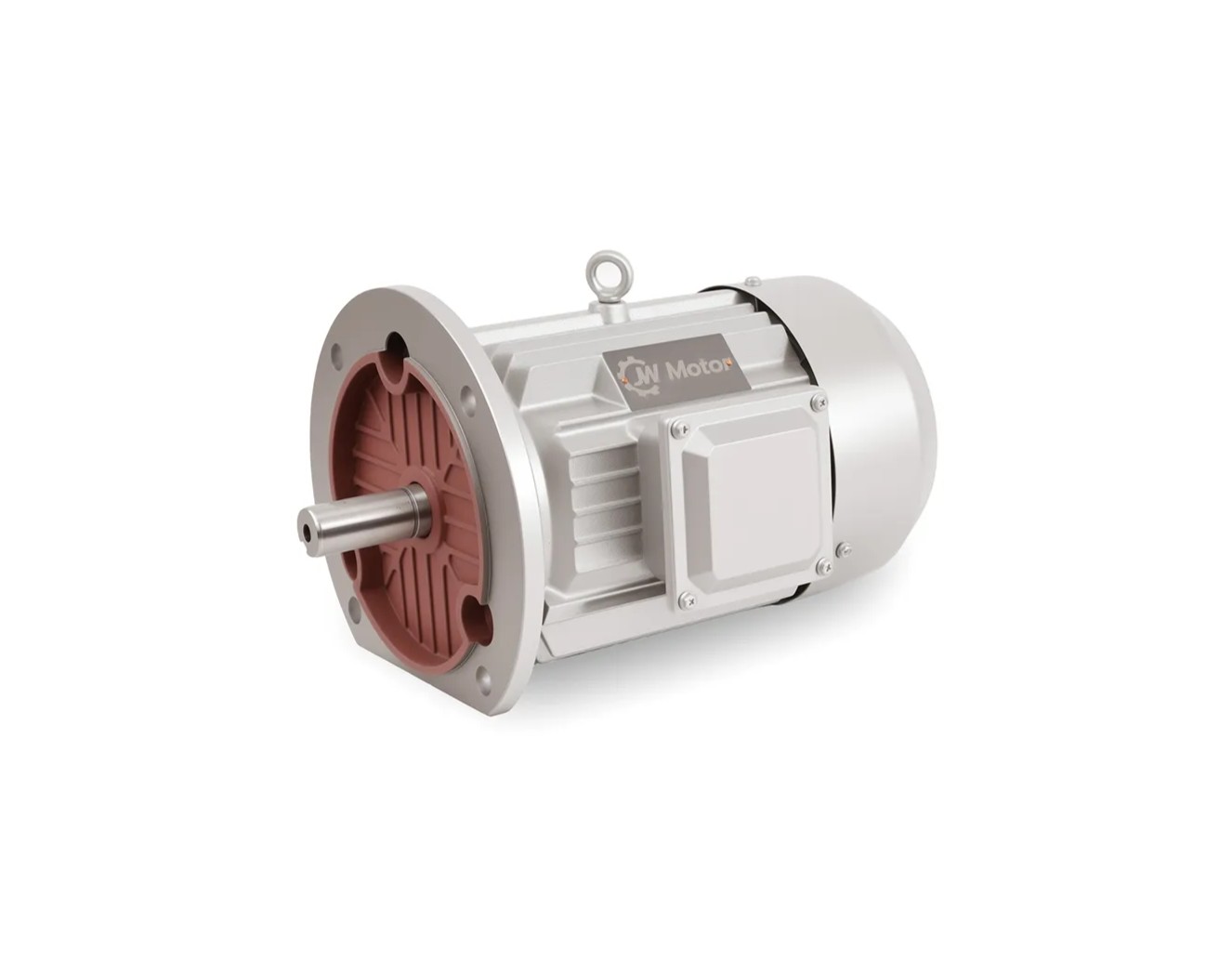
IE3 · premium efficiency
YE3
IEC 60034-30-1 IE3. IP55, 100% copper windings, Class F insulation assessed at Class B rise. IEC 60072-1 shaft height, feet and flange so an IE2 machine of the same frame can be upgraded without remachining the base. Used where EU, South American or Asian MEPS call for premium efficiency.
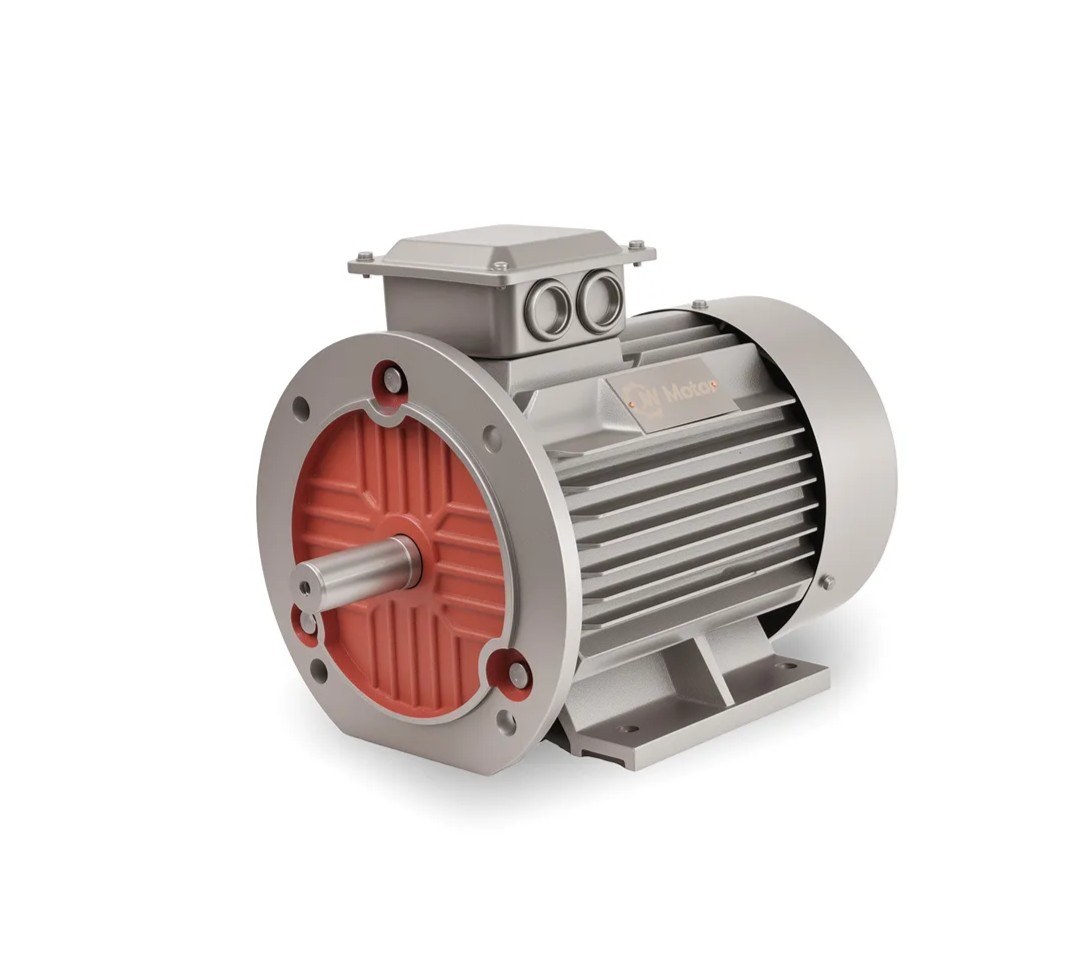
IE4 · super premium
YE4
IEC 60034-30-1 IE4. Lower losses than an IE3 machine of the same duty, including the 75–200 kW range covered by EU Ecodesign 2019/1781. IEC frame, shaft centre height and shaft diameter match existing IE2 or IE3 installations. In a tight guard, check length and weight before you order.
Which efficiency class
Pick from annual hours and the efficiency rule on the project. Poles stay as they are on the nameplate.
Y2 when first cost leads
Budget-sensitive builds, spare pumps and auxiliary fans, and sites whose rules still accept IE2. Lower purchase price than IE3 or IE4, with the same cast-iron TEFC construction.
YE3 for MEPS projects
The usual step when a tender asks for premium efficiency. Same IEC mounting intent as the IE2 motor it replaces, with lower losses in the iron and copper.
YE4 when the motor stays on
Continuous duty, where electricity is most of the lifecycle cost. On the YE4 series page, plants running high load above 6,000 hours a year are the case where the higher purchase price is discussed against energy saved.
What the three series share
Published on the Y2, YE3 and YE4 pages. Ratings for a specific kW still come from that series table.
Where they are applied
The duties named on the series pages.
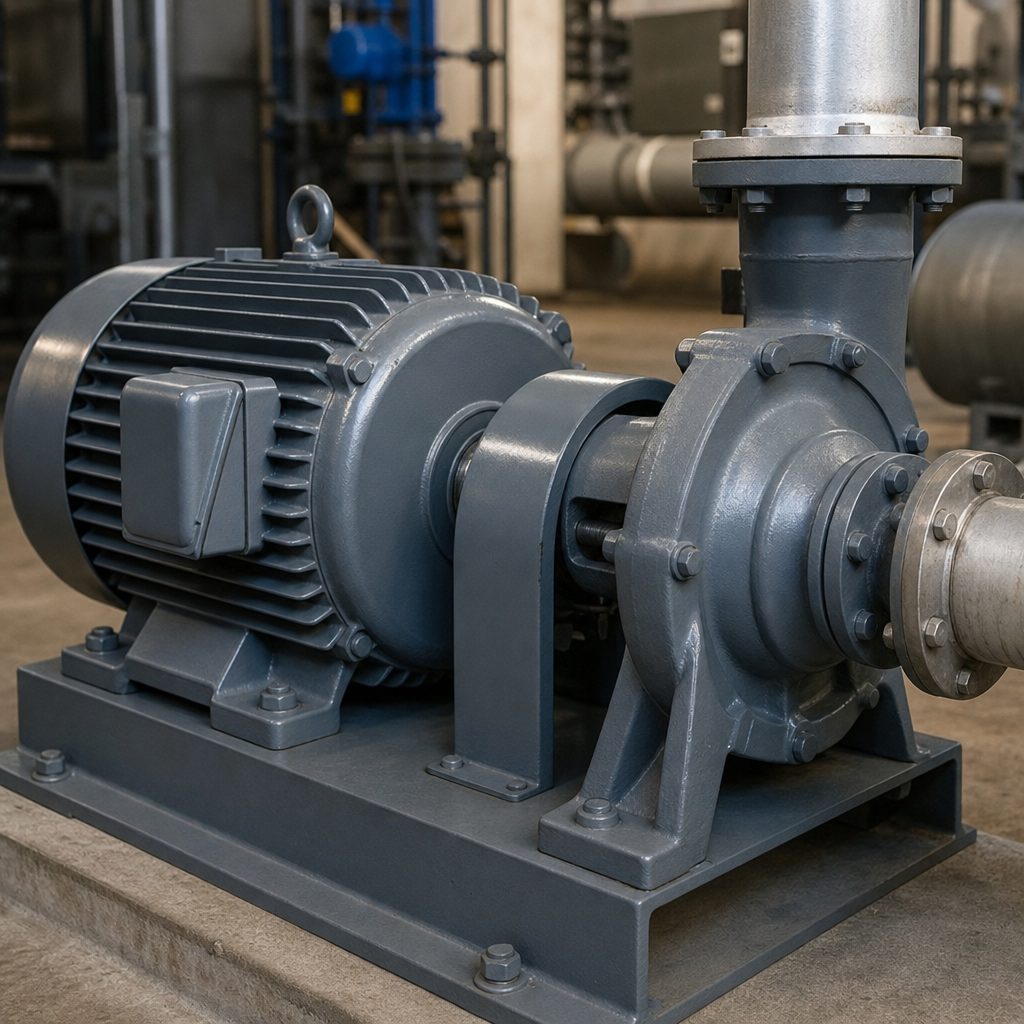
Pumps
Y2 is specified for continuous-duty pumps, including backup pumps where the purchase price matters.
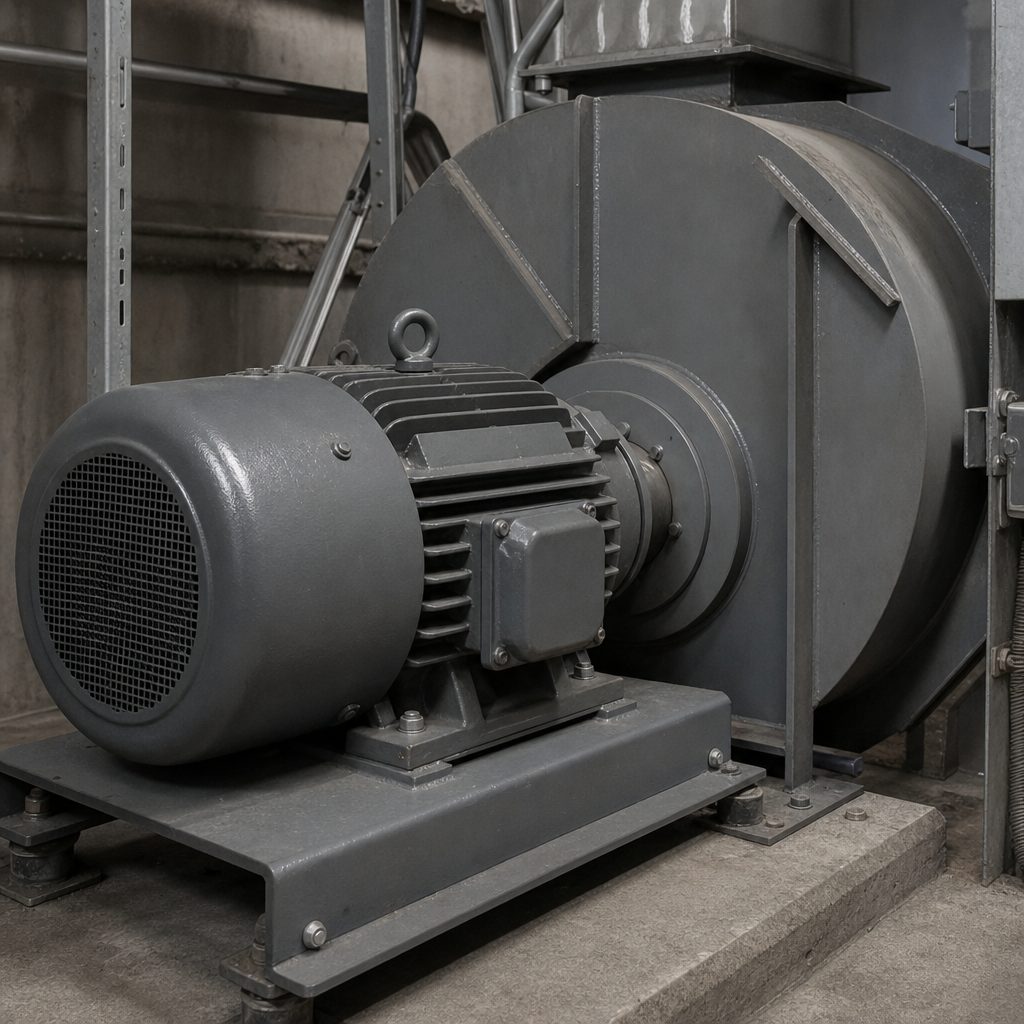
Fans and ventilation
Industrial fans and blowers on Y2. YE4 is used on farm ventilation and feeding lines where the fan stays online.
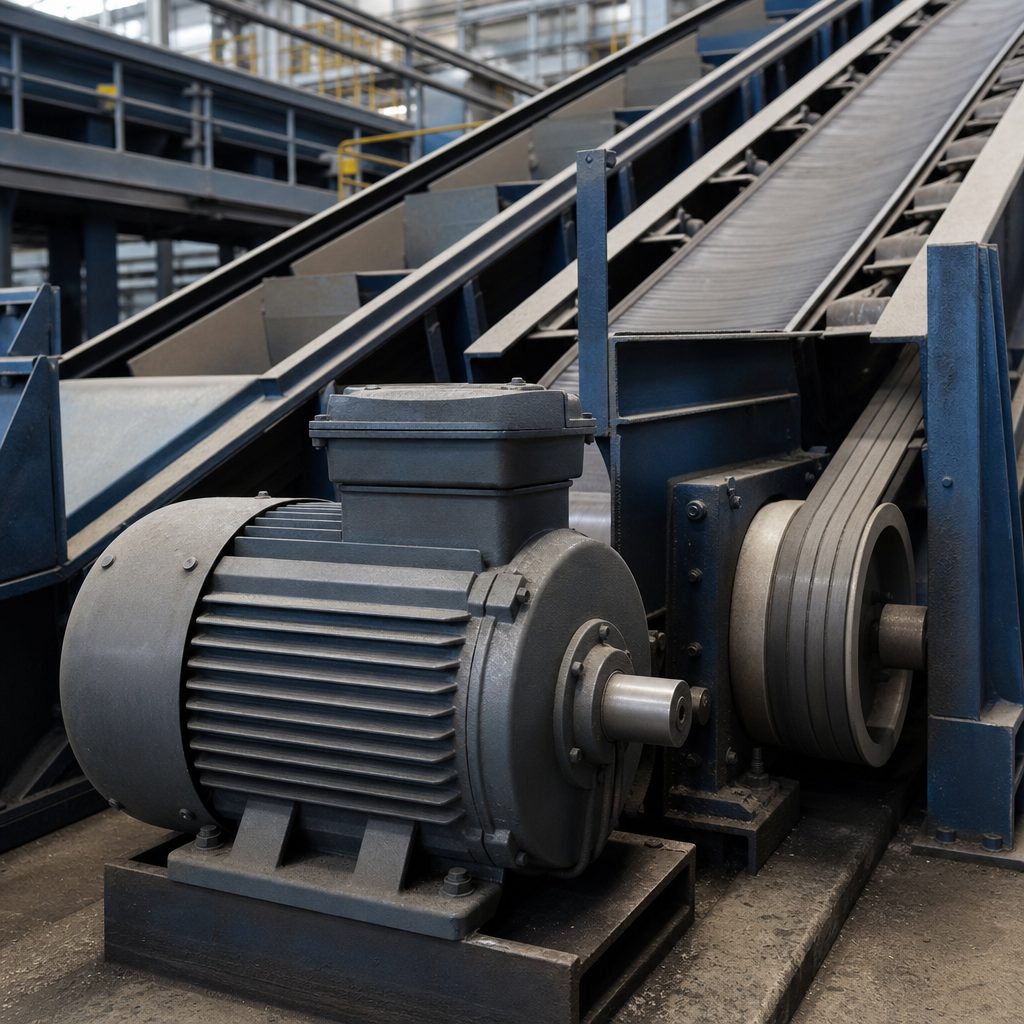
Conveyors
Standard three-phase conveyor drives on Y2 and YE3. YE4 covers mixers, conveyors and packaging in dry production areas.
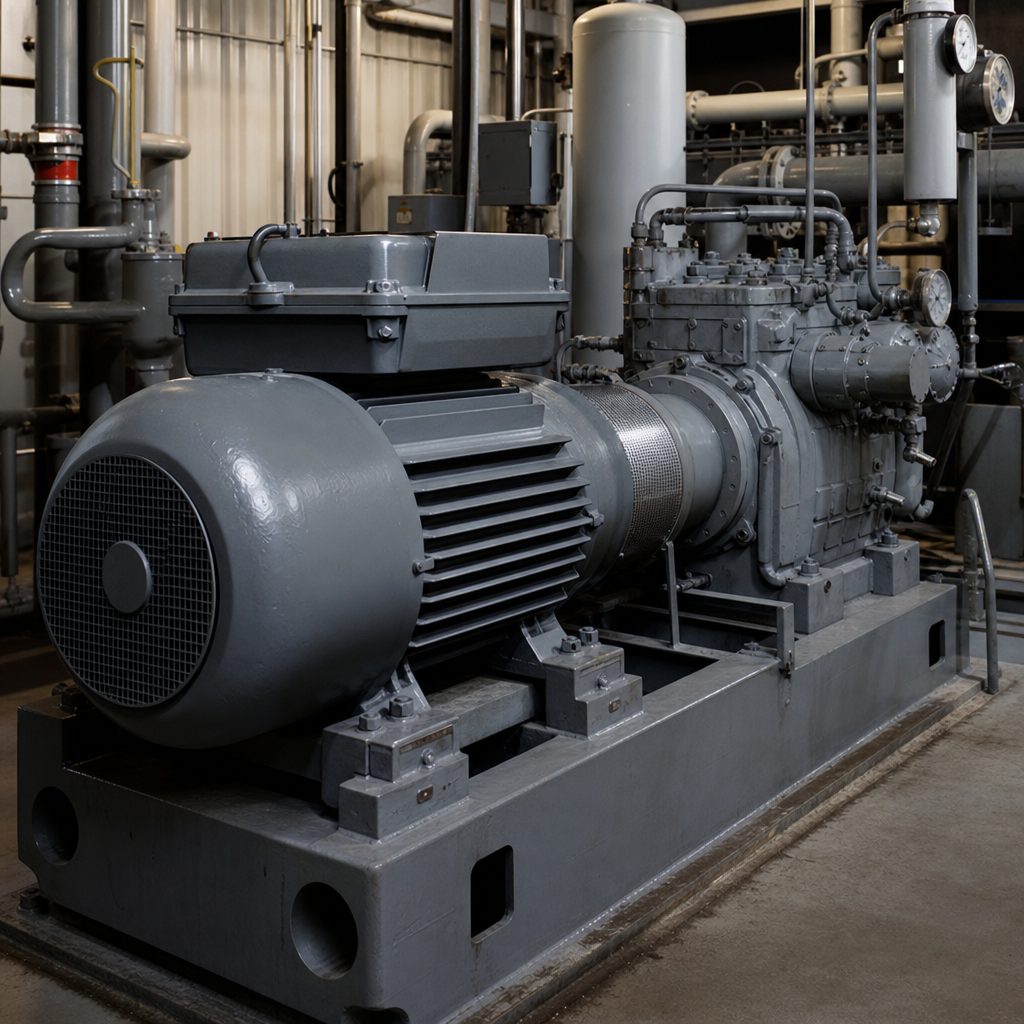
Compressors
Y2 for heavy-duty compressors and harsh rooms. YE3 and YE4 for continuous compressor and general process duty.
Quote from the nameplate
A series page holds the kW grid. The quotation needs the plate, not a horsepower guess.
- kW, poles or rated speed
- Voltage and frequency
- Frame size and mounting: B3 foot, B5 flange, or B35
- IE2, IE3 or IE4
A drawing for shaft, voltage or mounting goes through customization.
Questions from replacement jobs
How do Y2, YE3 and YE4 differ?
All three are cast-iron three-phase induction motors on IEC frames. Y2 is IE2, aimed at first cost and S1 duty. YE3 is IE3 premium efficiency for MEPS projects, with lower losses than IE2. YE4 is IE4 super-premium efficiency, with lower losses again than IE3, for long annual hours.
Can this replace a Siemens, ABB or WEG IEC motor?
When the installed motor is a standard IEC frame with the same mounting and shaft, yes. Y2 is built to IEC 60034, IEC 60072-1 and DIN 42673, frames 63–355, and is documented as a drop-in for Siemens 1LA7 / 1LG4 and ABB M2BA. YE3 matches bolt spacing, shaft centre height and flange on frames such as 132M and 160L. YE4 follows the same IEC centre height and shaft diameter; confirm length and weight where the guard is tight.
Can YE3 run on a frequency converter?
Yes. YE3 uses Class F insulation and is published as suitable for variable-speed drives. For cables longer than 50 m, or supply above 500 V, ask engineering about a filter before you order.
Articles
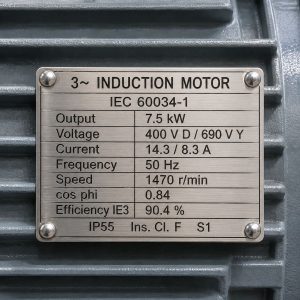 How to Calculate Full Load Current of a 3-Phase Motor: Formula, Worked Examples and Nameplate FLAUnderstanding Full Load Current in 3-Phase Motors Full load current (FLC) refers to the amount of electrical current a motor ... Read…
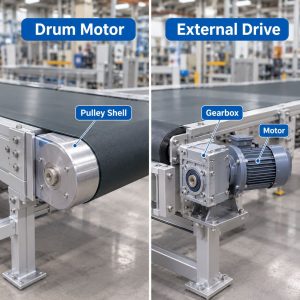 Drum Motors for Conveyors: Motorized Pulleys vs External Motor-and-Gearbox DrivesA drum motor, or motorized pulley, puts the motor and gearbox inside the conveyor drive pulley. See how that differs from an…
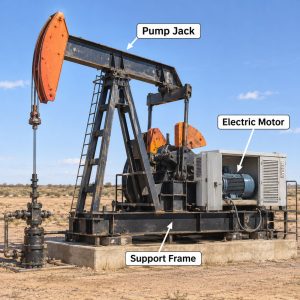 Oil Well Pump Motors: High-Slip Beam-Pump Drives vs General Pump Motors and ESPSurface motors on beam pumping units often need high slip and high starting torque, commonly as NEMA Design D. That duty is…
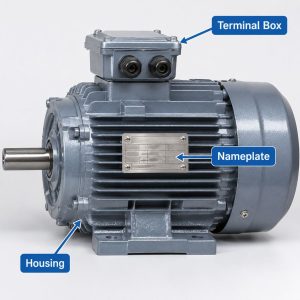 Dahlander Pole Changing Motor: Same Winding, the 2:1 Speed Ratio and Other Two-Speed MethodsA Dahlander motor uses one stator winding, reconnected to change the pole count, usually at a 1:2 pole ratio and a 2:1…
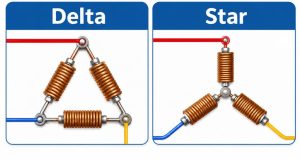 Doubling the Voltage on a Dual Voltage Motor: Nameplate Connections, Current and the Two Voltage RatiosDoubling the supply on a dual-voltage motor is not a power upgrade. After the nameplate connection is changed for the higher rating,…
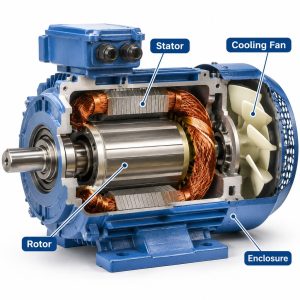 What Is the Most Efficient Electric Motor? A Comparison of Types and TechnologiesThe most efficient electric motor depends on type, power, load and the test standard. Compare induction, PM and EC motors and IEC…
