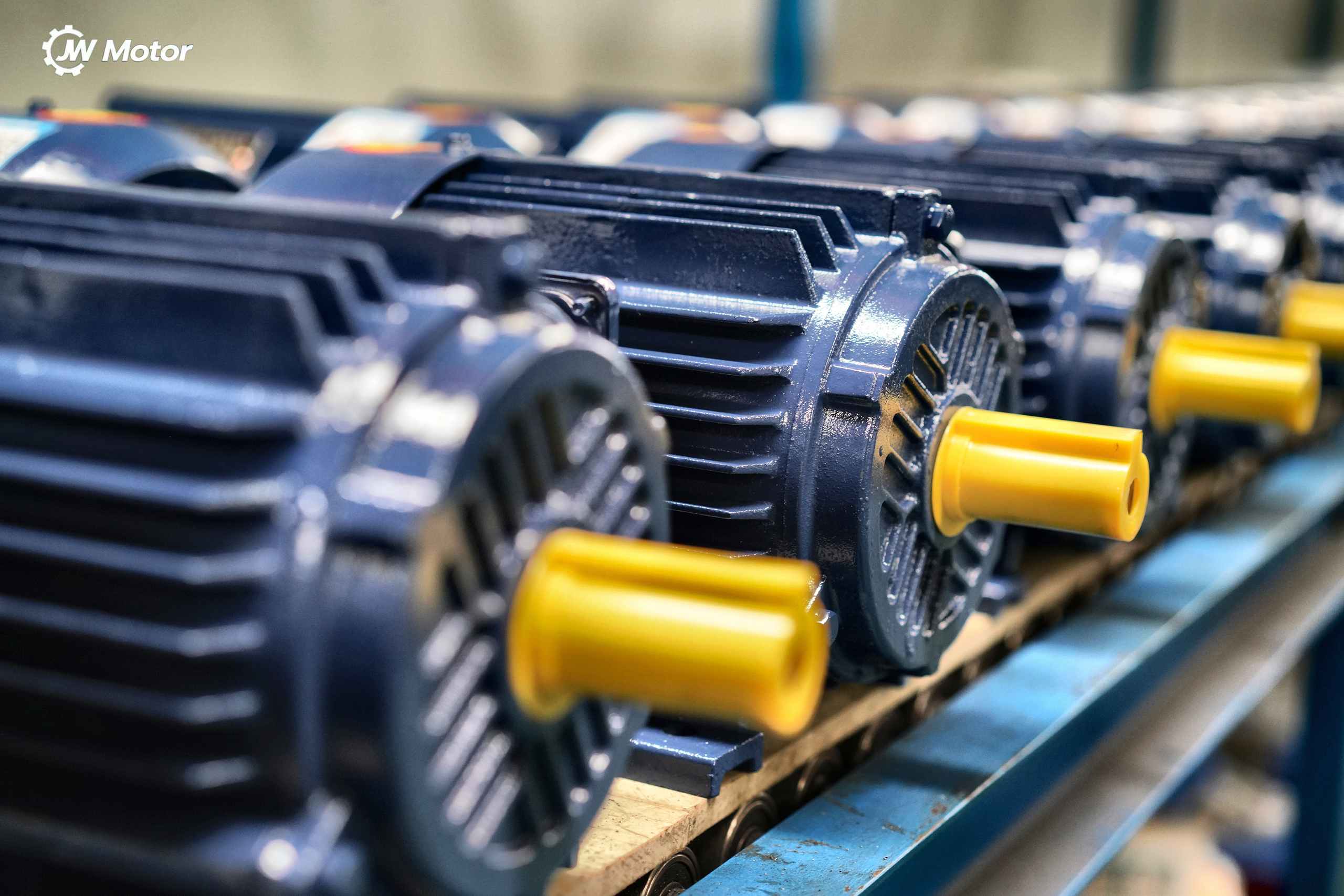
Y2 · YE3 · YE4
IE2 vs IE3 vs IE4 motors
Y2 is IE2 high efficiency. YE3 is IE3, with fewer losses than IE2. YE4 is IE4, with losses 15–20% lower than IE3.
Three classes, three series
Each series page publishes its own power, poles and frames.
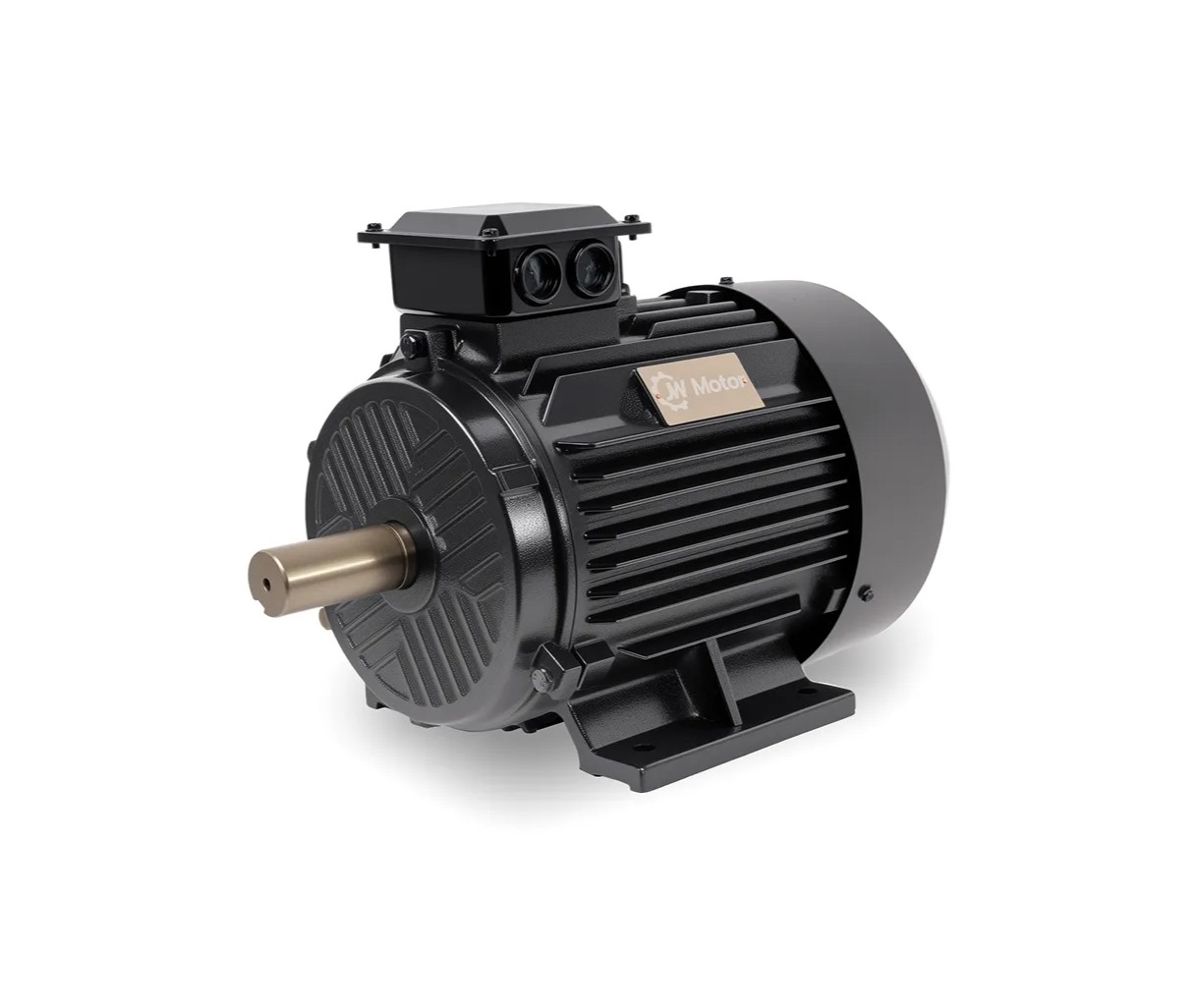
IE2 · High efficiency
Y2
High starting torque, S1 duty. HT200 cast-iron frame and end shields. TEFC, IC411, IP55.
- 0.18–315 kW
- Poles 2, 4, 6
- IEC frames 63–355
- 220–690 V
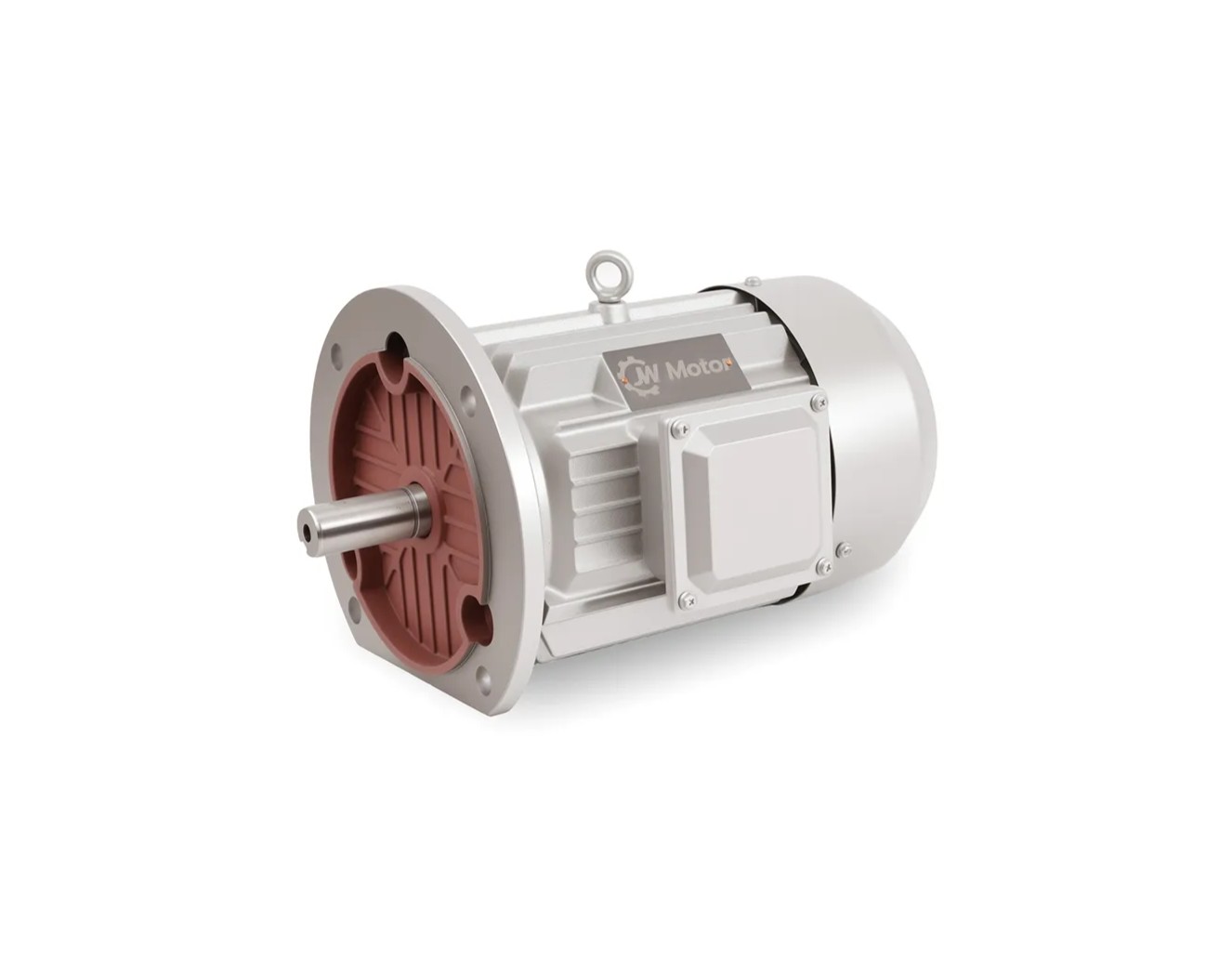
IE3 · Premium efficiency
YE3
Fewer losses than IE2, to IEC 60034-30-1. IP55. W470/W600 silicon steel and 100% copper windings.
- 0.75–630 kW
- Poles 2, 4, 6, 8, 10
- IEC frames 80–400
- 220–690 V
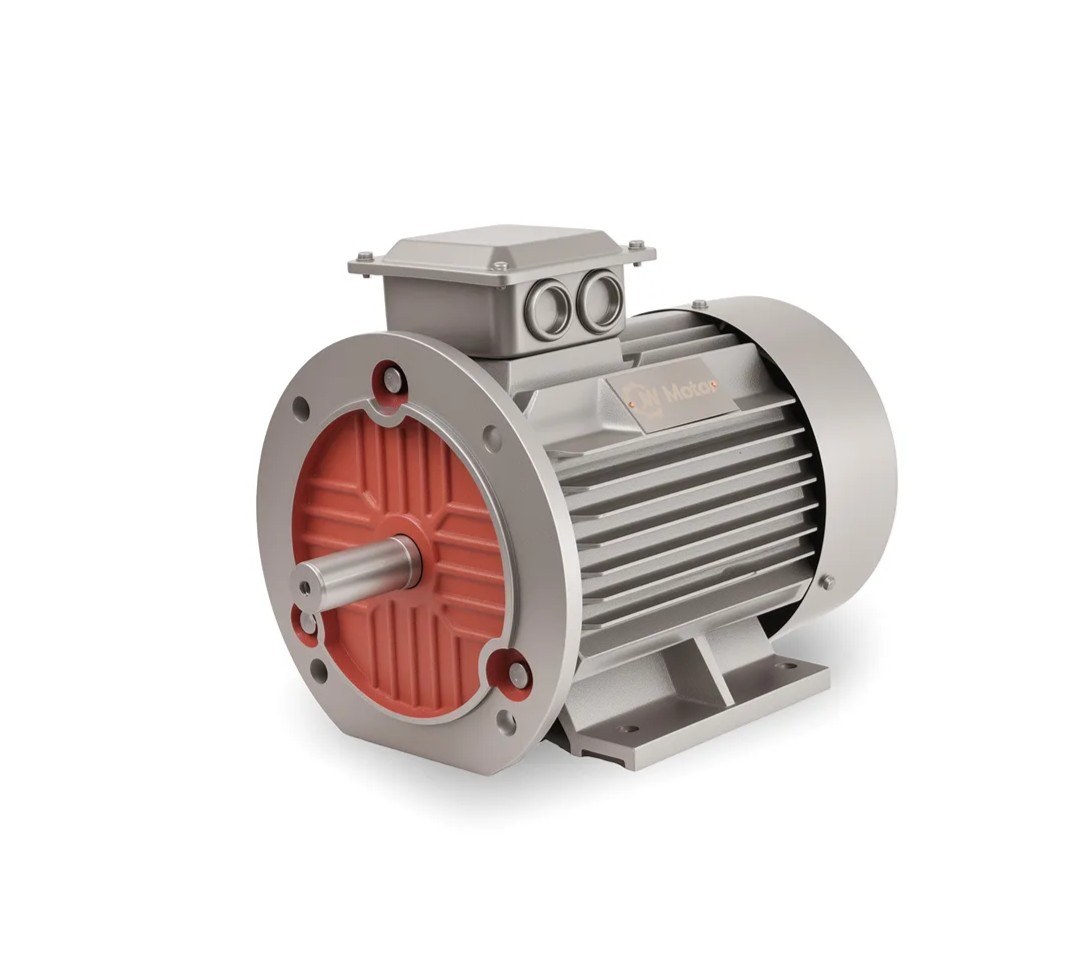
IE4 · Super premium
YE4
Losses 15–20% lower than IE3, to IEC 60034-30-1. Efficiency 1.5–3% higher. Purchase price typically 15–30% higher than IE3.
- 0.75–630 kW
- Poles 2, 4, 6, 8, 10
- IEC frames 80–400
- 220–690 V
What changes from one class to the next
The step from IE2 to IE3 is stated on the YE3 page. The step from IE3 to IE4 is stated on the YE4 page.
IE2 to IE3
YE3 has fewer losses than an IE2 motor when electrical energy becomes shaft power, from the materials and the design. The first cost may be slightly higher. Lower power use lowers the cost of ownership.
Class F insulation at 155°C, assessed at a Class B rise of 80K. The series meets MEPS in the EU, South America and Asia. A frequency converter is acceptable. Cables over 50 m, or voltage over 500 V, need a filter.
IE3 to IE4
Losses are an additional 15–20% lower than IE3. Efficiency is an additional 1.5% to 3% higher. The purchase price is typically 15% to 30% higher. Electricity is over 95% of the lifecycle cost. On high-load duty above 6,000 hours a year, the price difference is often recovered in 12 to 24 months.
On continuous 24/7 duty, the YE4 page states electricity savings of over 15%. The motor typically runs 10°C to 15°C cooler. YE4 meets EU Ecodesign Regulation (EU) 2019/1781 for motors from 75 kW to 200 kW.
How the frame is stated
Shaft height and mounting are published separately for each series.
Y2
IEC 60034, IEC 60072-1 and DIN 42673. Frames 63–355. Drop-in for older Y-series motors, Siemens 1LA7 and 1LG4, and ABB M2BA. Class F insulation tested for a Class B rise, ambient up to 40°C. Class H is available. High altitude needs a power derating.
YE3
IEC 60072-1 for shaft centre height, foot pattern and flange. Frames 80–400. A standard frame such as 132M or 160L lines up with the bolt spacing. The series page names Siemens, ABB and WEG IE1 motors when that frame is standard. Class H is available. High altitude needs a power derating.
YE4
Centre height and shaft diameter follow the IEC frame, so the baseplate, coupling and machine stay when replacing an IE2 or IE3 motor. Frames 80–400. The motor can be slightly longer and heavier, so check the clearance. Altitude up to 1,000 m, voltage within 5%. Class H is available. Higher altitude needs a power derating.
Duties named on each series page
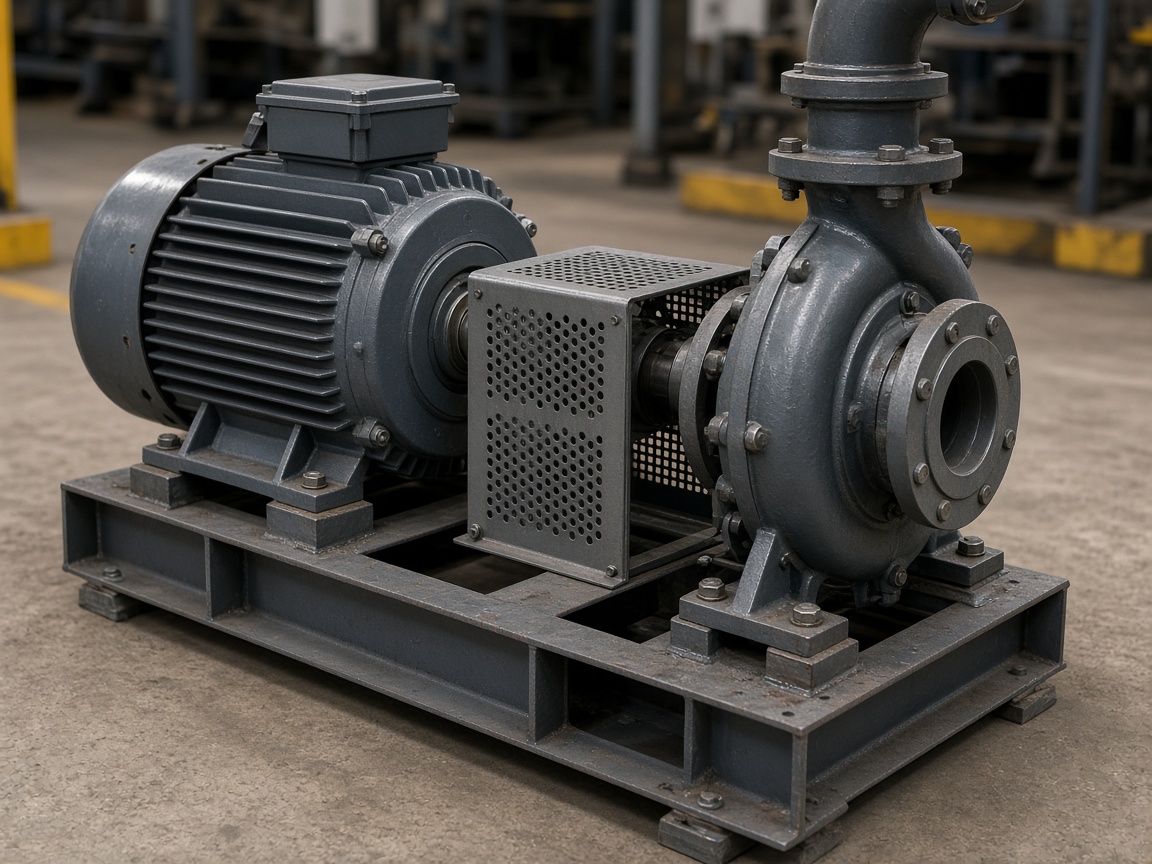
Y2
Pumps, including backup pumps, fans, blowers and conveyors. Also compressors, crushers and ball mills.
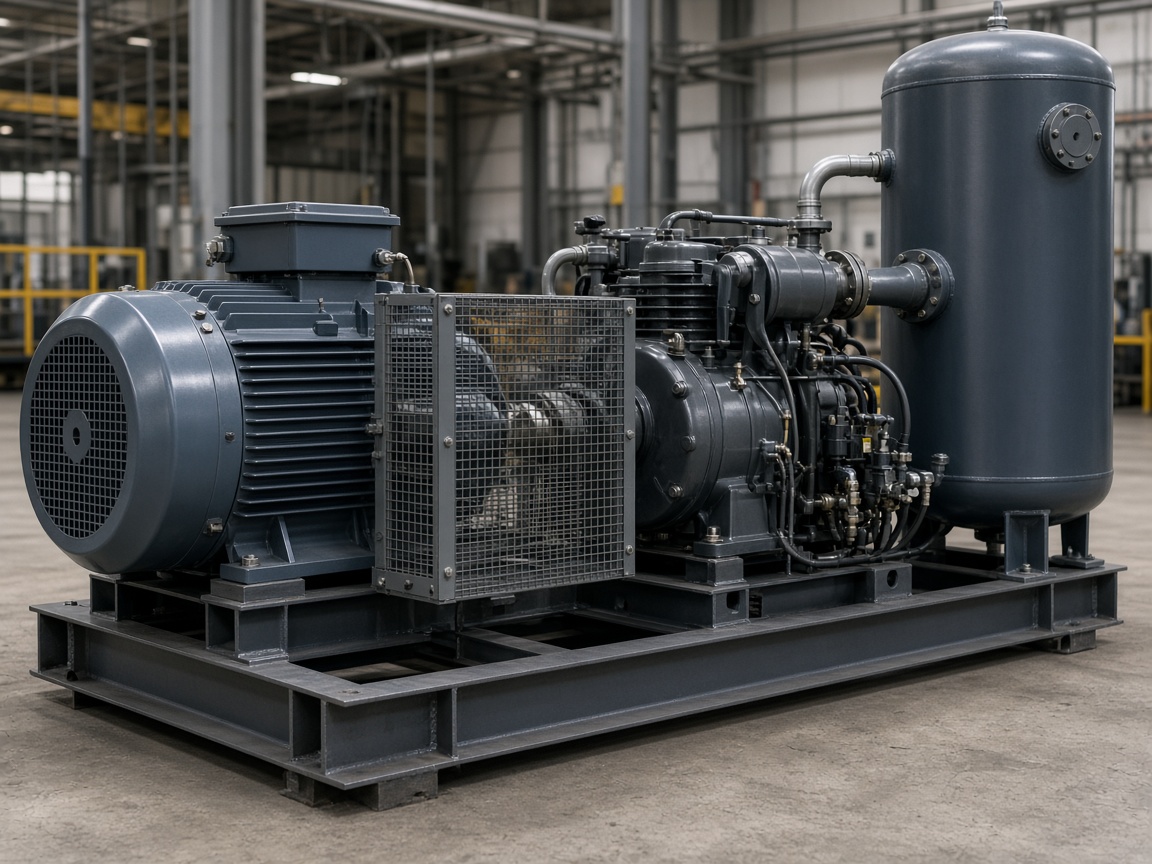
YE3
Mines, conveyors, compressors, plastics and general processing. Cast iron, for high torque and dust.
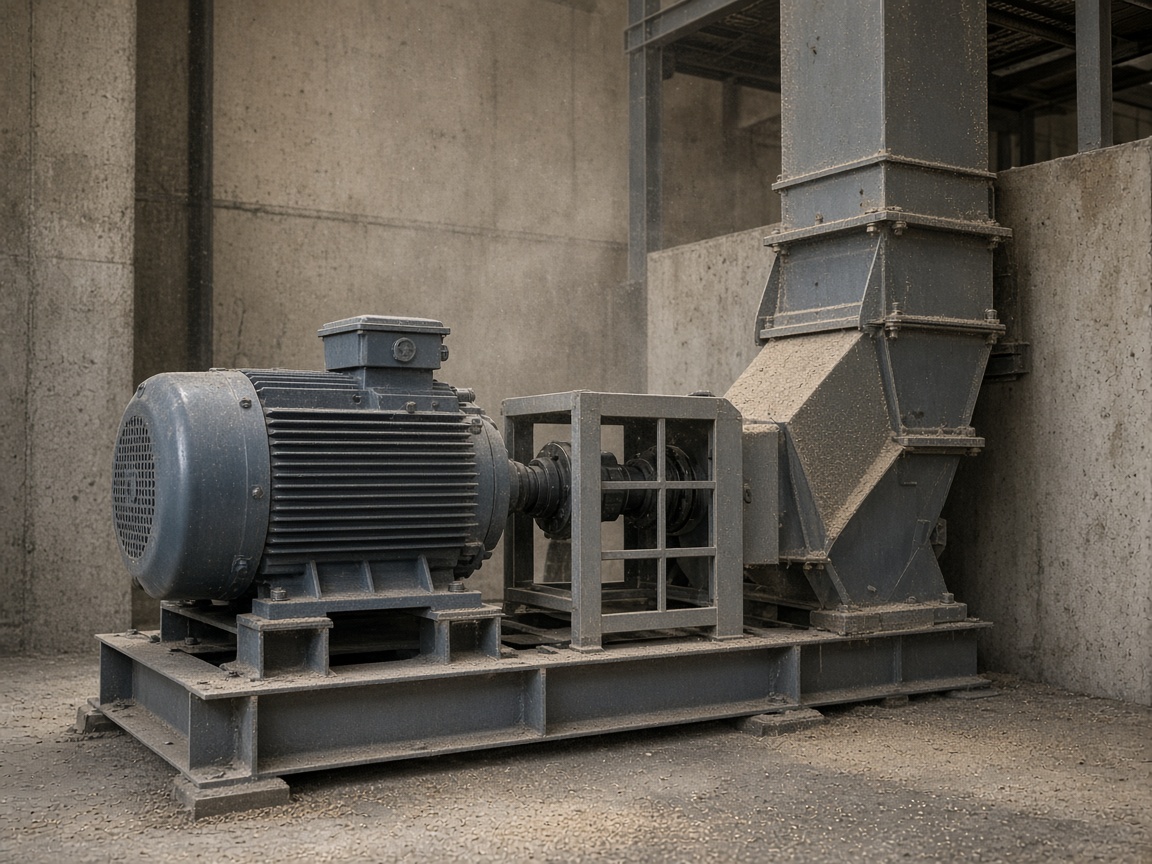
YE4
Grain handling, ventilation and feeding. Mixers, conveyors and packaging in dry areas. Compressors, plastics and general processing.
Quote the class with the plate
Name IE2, IE3 or IE4, then send the nameplate of the motor on the base.
- Series: Y2, YE3 or YE4
- Frame and kW inside that series range
- Voltage and frequency
- Poles
- Mounting
- Hours per year, if the choice is running cost
For YE4, also send the clearance. The motor may be slightly longer and heavier. Mounting and regional supply sit on customization. Send the plate through contact.
The comparison, in short
Which series is which class?
Y2 is IE2 high efficiency: cast iron, TEFC, IP55, frames 63–355, 0.18–315 kW, poles 2, 4 and 6, high starting torque on S1 duty. YE3 is IE3 premium efficiency to IEC 60034-30-1, 0.75–630 kW, frames 80–400, poles 2, 4, 6, 8 and 10. YE4 is IE4 super premium to the same standard, with the same published power, frame and pole span as YE3.
What changes from IE2 to IE3?
The YE3 page states fewer losses than an IE2 motor, through better materials and the design: W470/W600 silicon steel and 100% copper windings. The first cost may be slightly higher. Lower power use lowers the cost of ownership. YE3 meets MEPS in the EU, South America and Asia.
What changes from IE3 to IE4?
Losses are an additional 15–20% lower, and efficiency is an additional 1.5% to 3% higher. The purchase price is typically 15% to 30% higher. Electricity is over 95% of the lifecycle cost. Above 6,000 hours a year on high load, the price difference is often recovered in 12 to 24 months. Centre height and shaft diameter stay on the IEC frame. The YE4 motor can be slightly longer and heavier, and it typically runs 10°C to 15°C cooler.