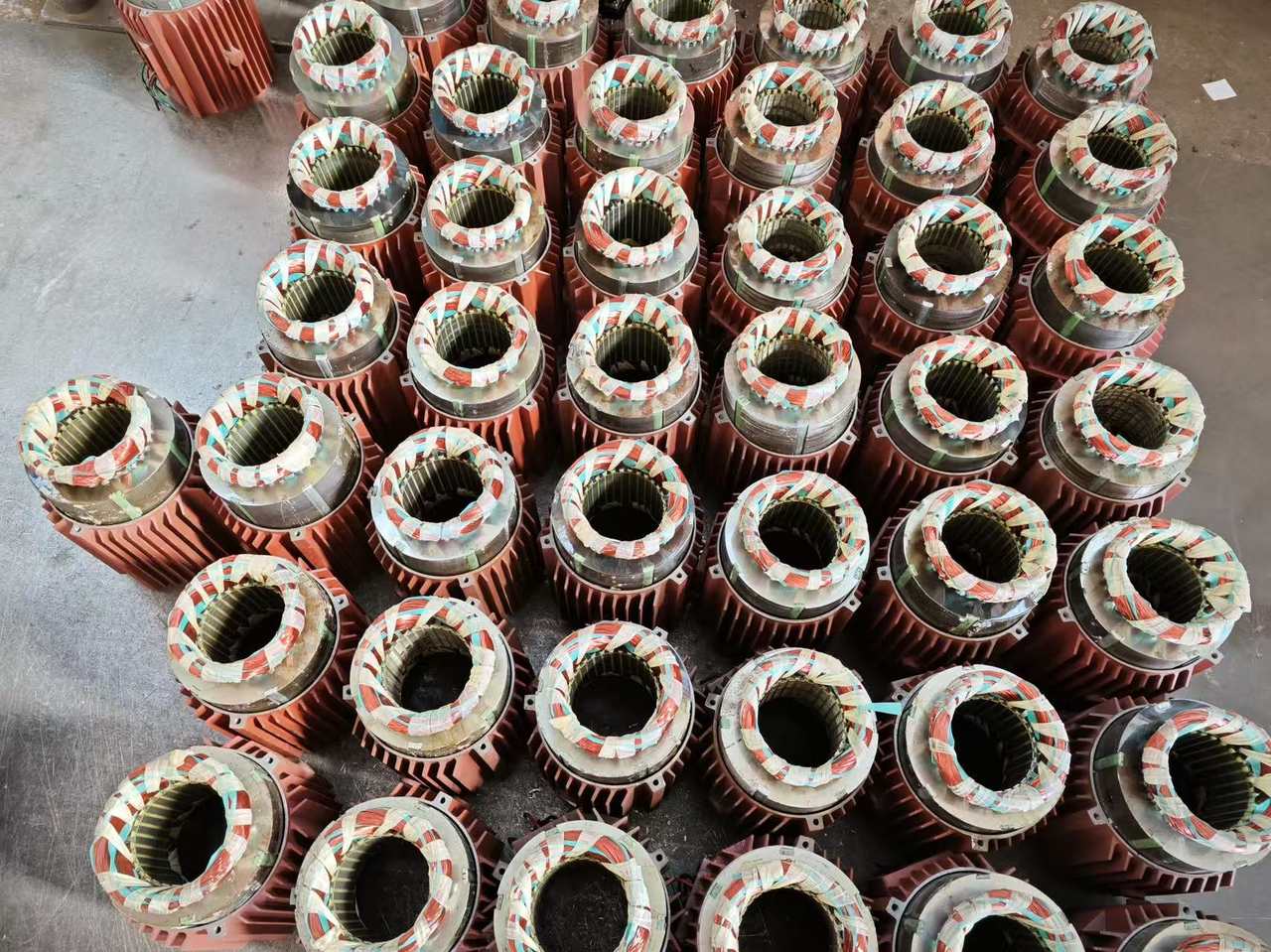
YE4 · IE4
Super premium efficiency motors
YE4 super premium efficiency motors, IE4. Losses 15–20% lower than IE3, and efficiency 1.5–3% higher. Purchase price is 15–30% higher.
Compared with IE3
The YE4 page states the difference from an IE3 motor. The class is IE4, to IEC 60034-30-1.
01
Losses and efficiency
Losses are an additional 15–20% lower than IE3. Efficiency is an additional 1.5% to 3% higher. On continuous 24/7 duty, the page states electricity savings of over 15%.
02
Price and payback
The purchase price is typically 15% to 30% higher. Electricity is over 95% of the lifecycle cost. On high-load duty above 6,000 hours a year, the price difference is often recovered in 12 to 24 months.
03
Heat, length and the shaft
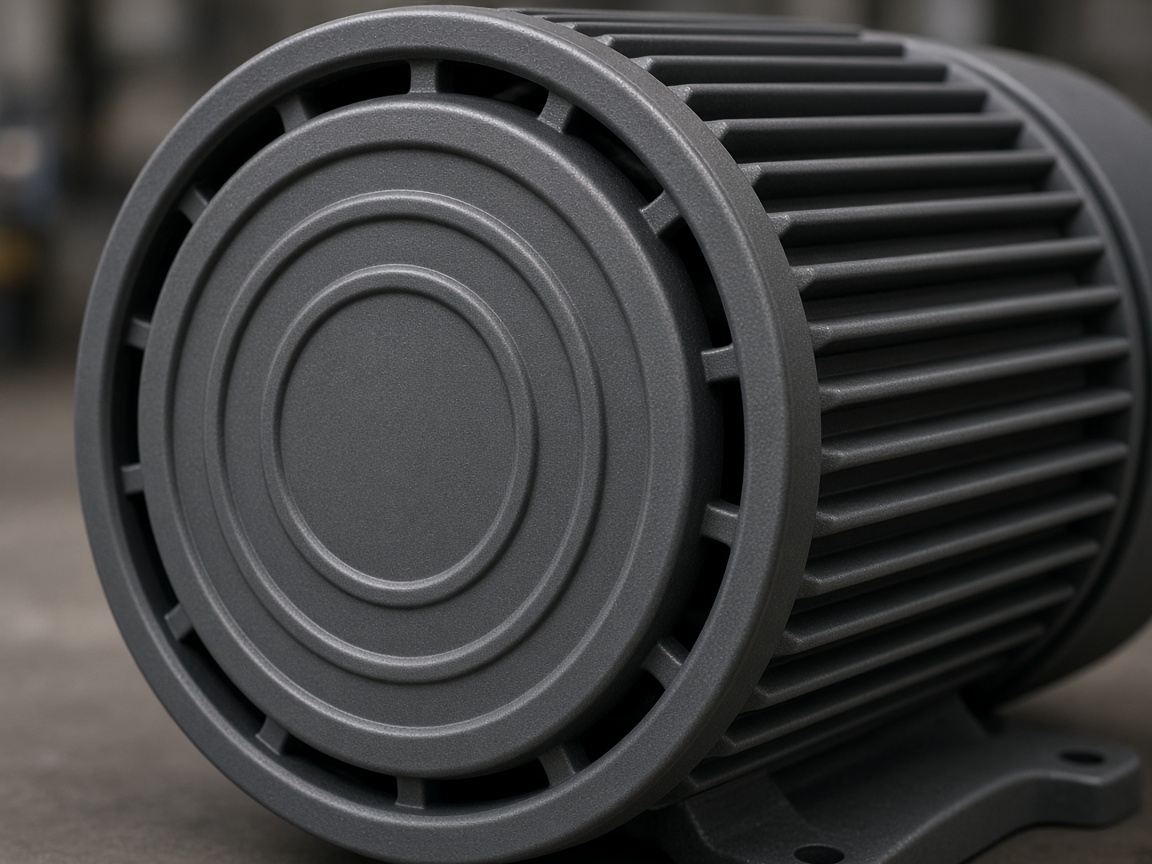
The motor typically runs 10°C to 15°C cooler. A redesigned fan cowl and fan, with a dynamically balanced rotor, cut windage loss. Centre height and shaft diameter stay on the IEC frame. The motor can be slightly longer and heavier.
The line in the comparison
One series. The product page carries the model designation and the grid.
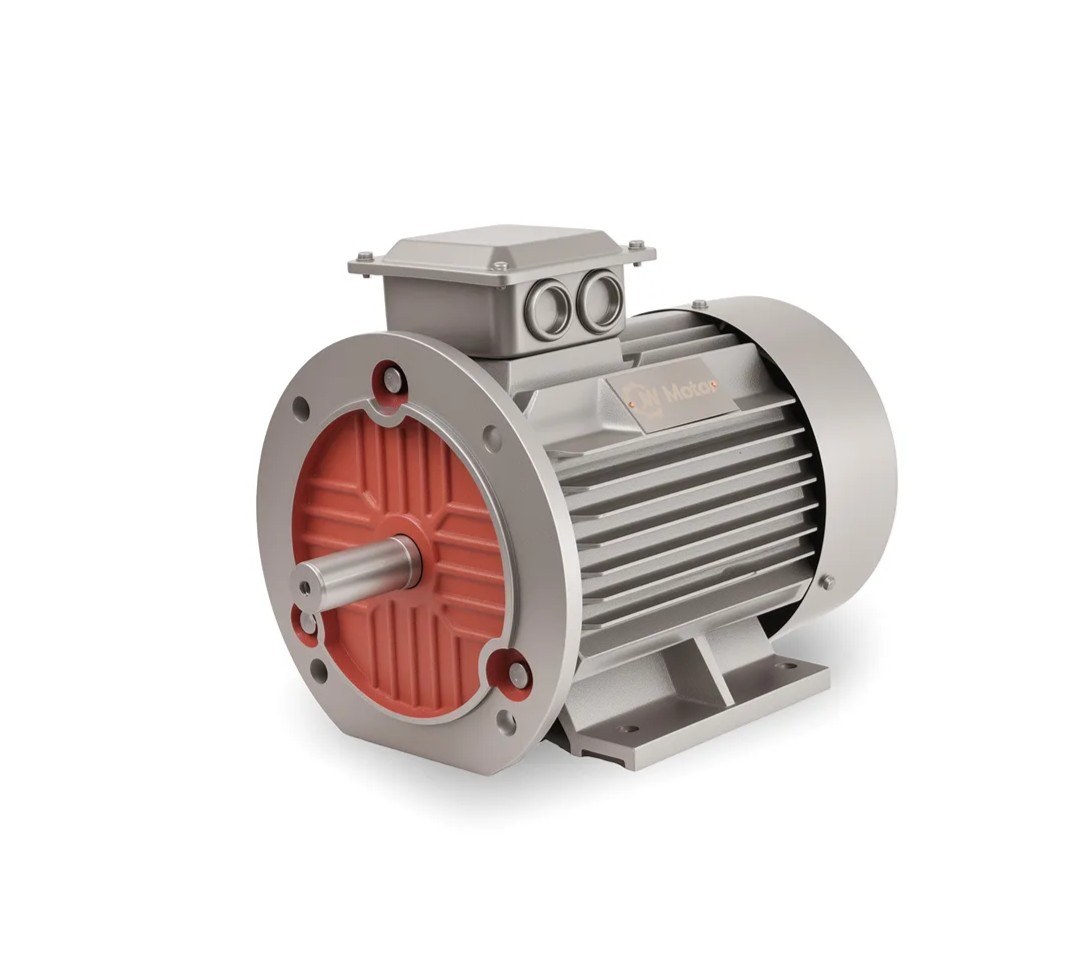
IE4 · Super premium
YE4
Meets EU Ecodesign Regulation (EU) 2019/1781 for motors from 75 kW to 200 kW. Class H is available for hotter rooms. High altitude needs a power derating.
Where the series page places it
Grain handling, ventilation and feeding. Mixers, conveyors and packaging in dry factory areas. Compressors, plastics and general processing.
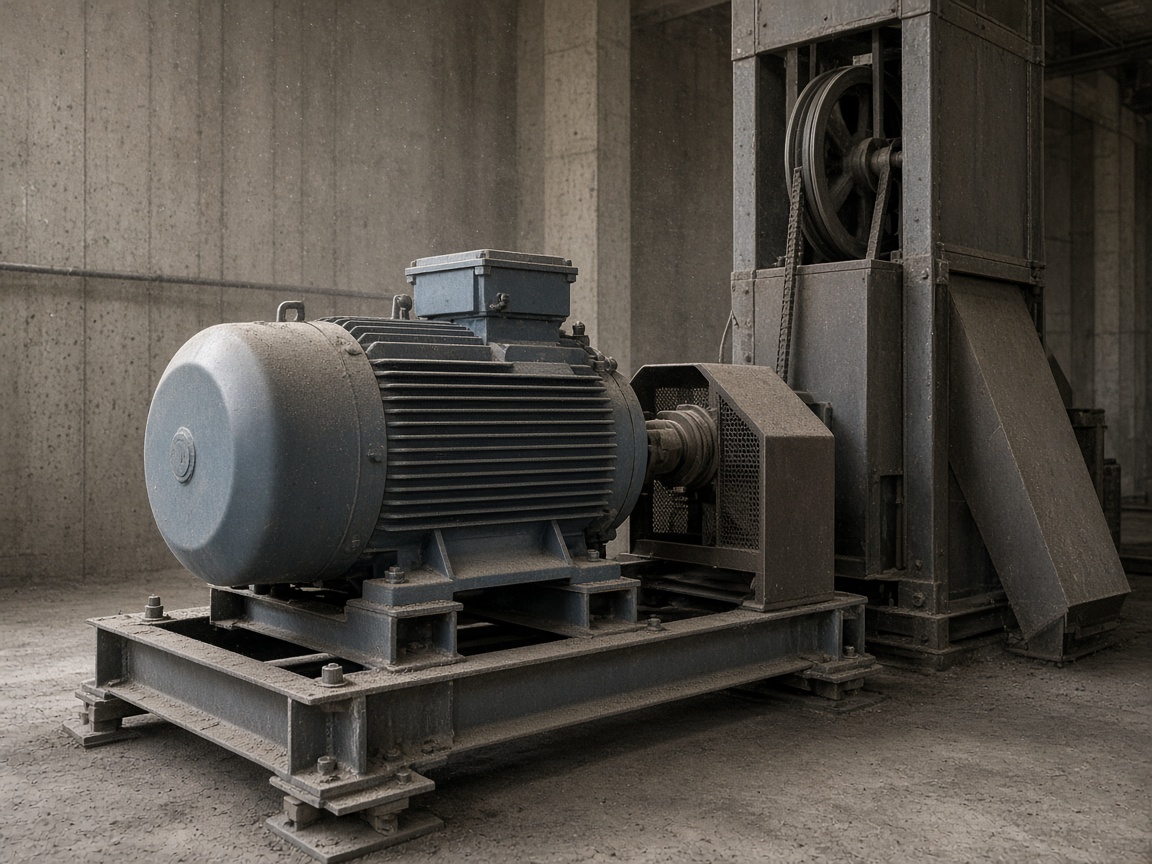
Farms
Grain handling, ventilation and feeding.
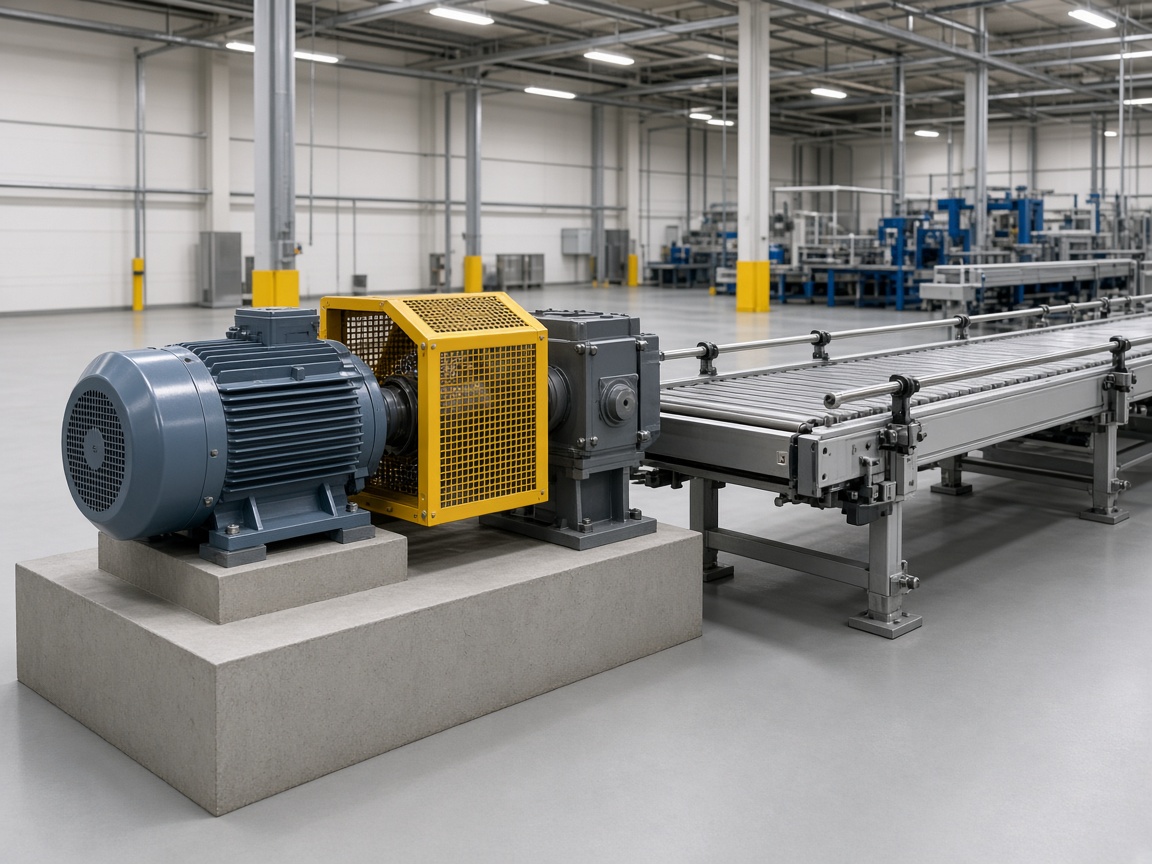
Dry factory lines
Mixers, conveyors and packaging.
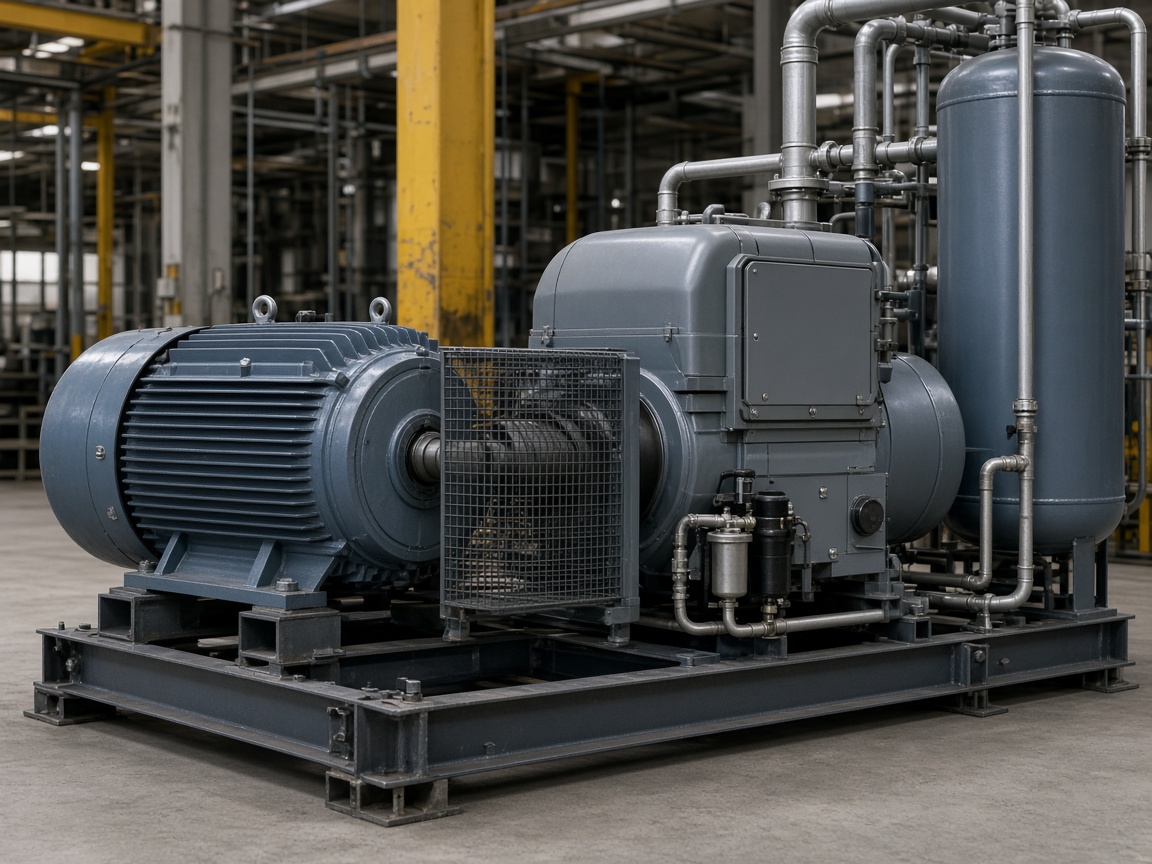
Compressors
Compressors, plastics and general processing.
Quote the IE3 it replaces
Send the plate of the motor on the base, and the clearance around a motor that may be slightly longer.
- Frame, centre height and shaft
- kW
- Voltage and frequency
- Poles
- Mounting
- Hours per year, if you are comparing running cost
- IE4
Mounting and regional supply sit on customization. Send the plate through contact.
The comparison, in short
What is a super premium efficiency motor here?
YE4. An IE4 three-phase induction motor to IEC 60034-30-1. Losses are an additional 15–20% lower than IE3, and efficiency is an additional 1.5% to 3% higher.
What does the higher price return?
The purchase price is typically 15% to 30% higher than IE3. Electricity is over 95% of the lifecycle cost. On high-load duty above 6,000 hours a year, the page says the price difference is often recovered in 12 to 24 months. Continuous 24/7 duty is where the page states electricity savings of over 15%.
What changes on the machine?
Centre height and shaft diameter follow the IEC frame, so the baseplate, coupling and machine stay. The motor can be slightly longer and heavier, so check the clearance. It typically runs 10°C to 15°C cooler than a lower-efficiency motor.
