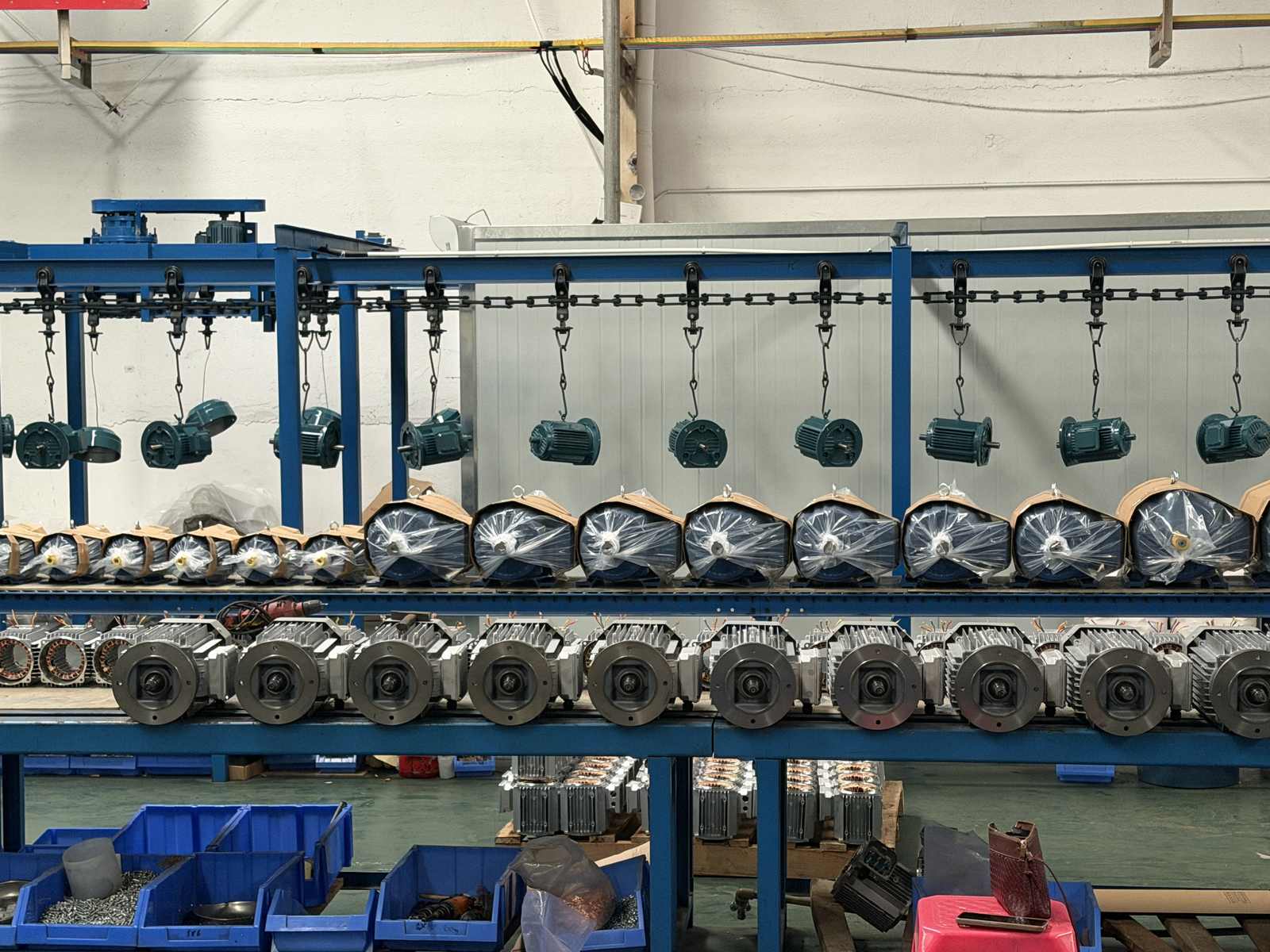
Three-phase · IE2 to IE4
Industrial motors
Three-phase industrial motors. Y2, YE3 and YE4, IE2 to IE4. YD and YDT change poles, YVF2 runs on a VFD, YEJ has a brake.
Match the duty
The plant decides the line. Continuous running stays on Y2, YE3 or YE4. Fixed speed steps, a frequency converter, or a shaft that must stop, each has its own series.
01 · On the supply
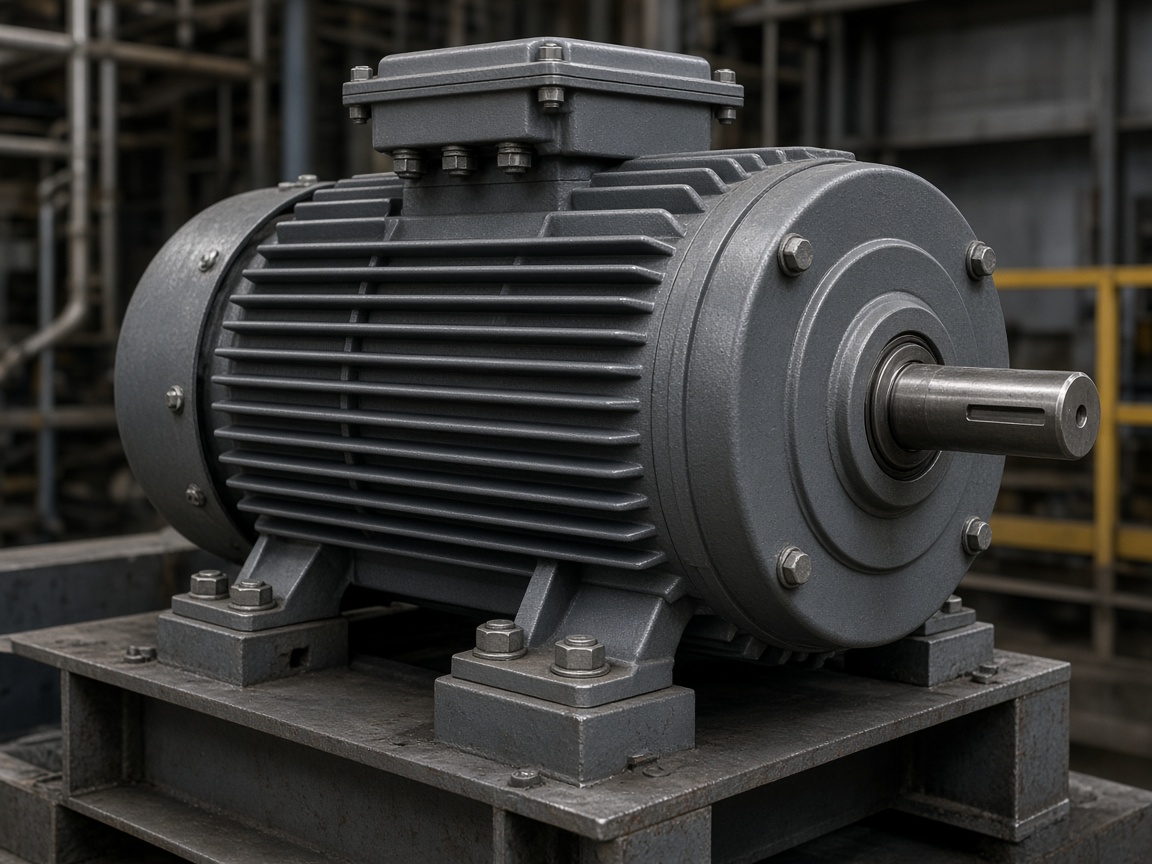
Y2, YE3, YE4
IE2 to IE4. Y2 is high starting torque on S1 duty, IEC frames 63–355, for pumps, fans, blowers, compressors and conveyors. YE3 has fewer losses than IE2, with 100% copper windings and IP55. YE4 takes another 15–20% off IE3 losses and typically runs 10°C to 15°C cooler. Check length and weight on YE4.
02 · Two or three speeds
YD and YDT change poles
YD switches the winding, for example from 4 poles to 8 poles, 1500 rpm and 750 rpm, with contactors. It is the line for 2 or 3 fixed speeds. YDT is the variable-torque version: output follows the square of the speed, for centrifugal fans and pumps.
03 · A frequency converter
YVF2, 5 Hz to 100 Hz
Inverter-duty, with an independent axial fan, IC416, so cooling holds at low speed. Constant torque from 5 Hz to 50 Hz. Constant power from 50 Hz to 100 Hz. Class H insulation. The non-drive end can take a rotary encoder.
04 · The shaft must stop
YEJ brake
A DC electromagnetic brake. Power off, the spring locks the rotor. Braking is typically 0.15 to 0.45 seconds. A manual release handle turns the shaft during an outage. The rectifier sits in the terminal box.
General purpose, IE2 to IE4
These three run on the three-phase supply. Each card opens the series page.
IE2 · S1
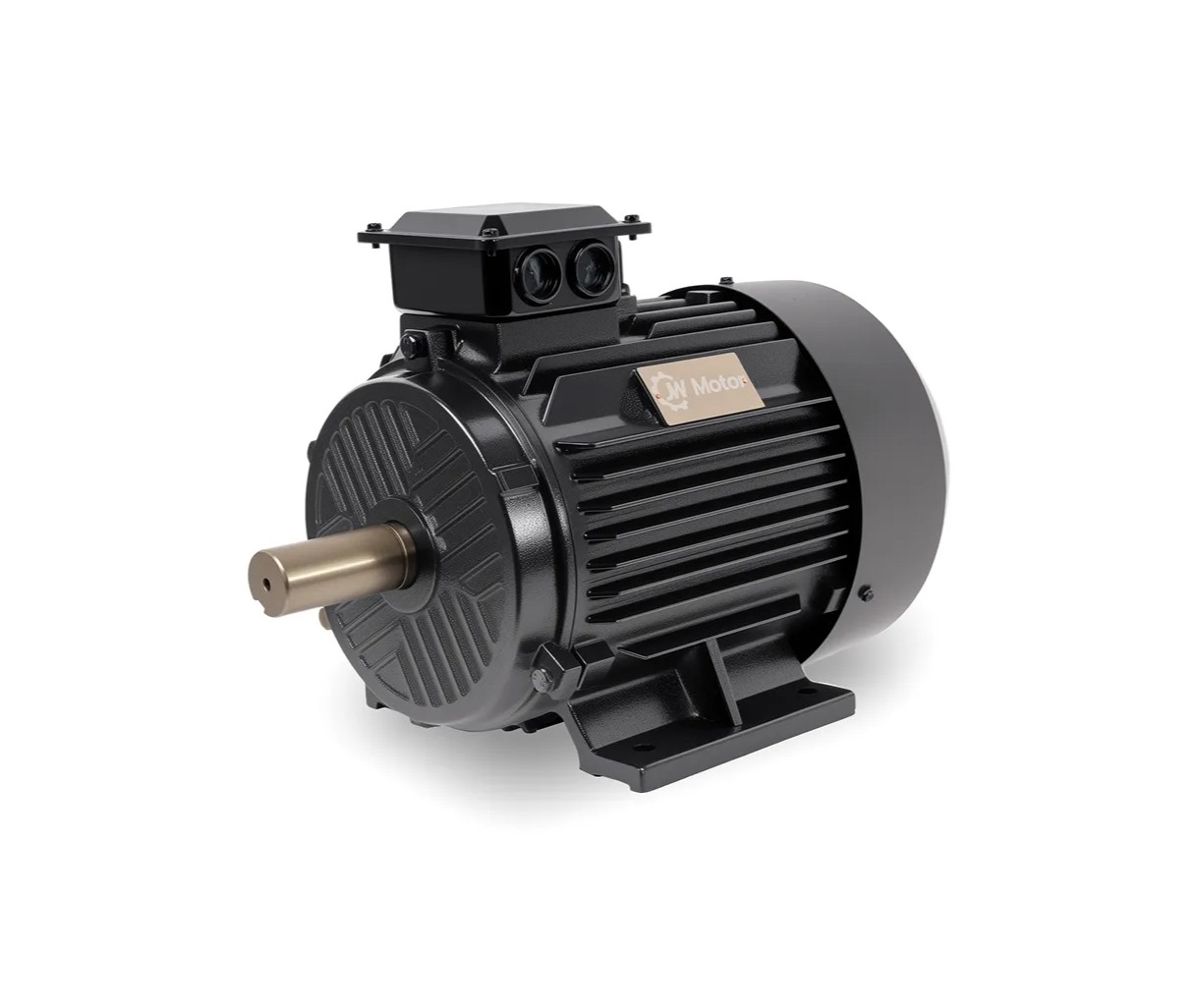
Y2
High starting torque. Pumps, fans, blowers, compressors and conveyors. Frames 63–355.
IE3 · IEC 60034-30-1
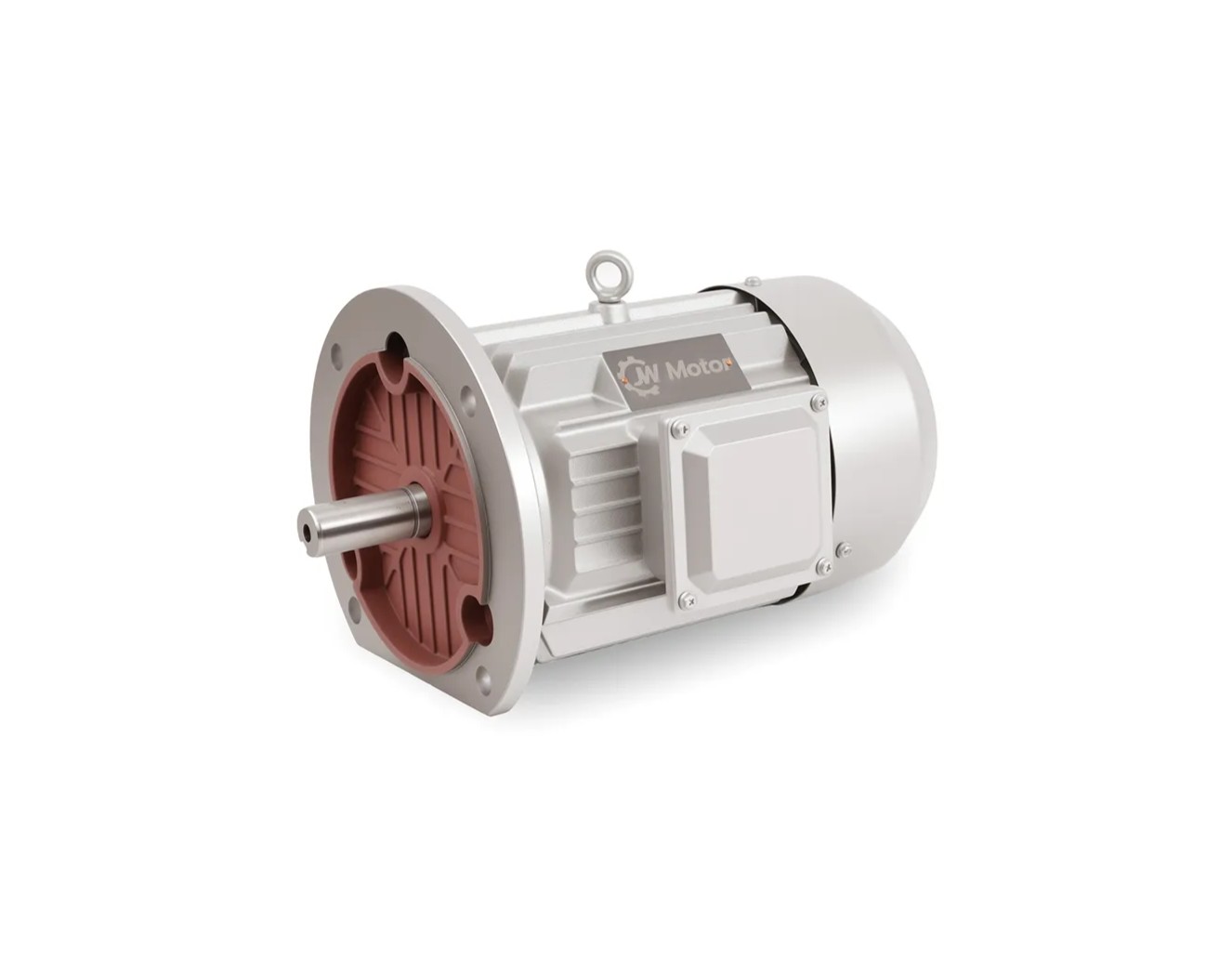
YE3
Fewer losses than IE2. 100% copper windings, IP55. Mines, conveyors, compressors and plastics.
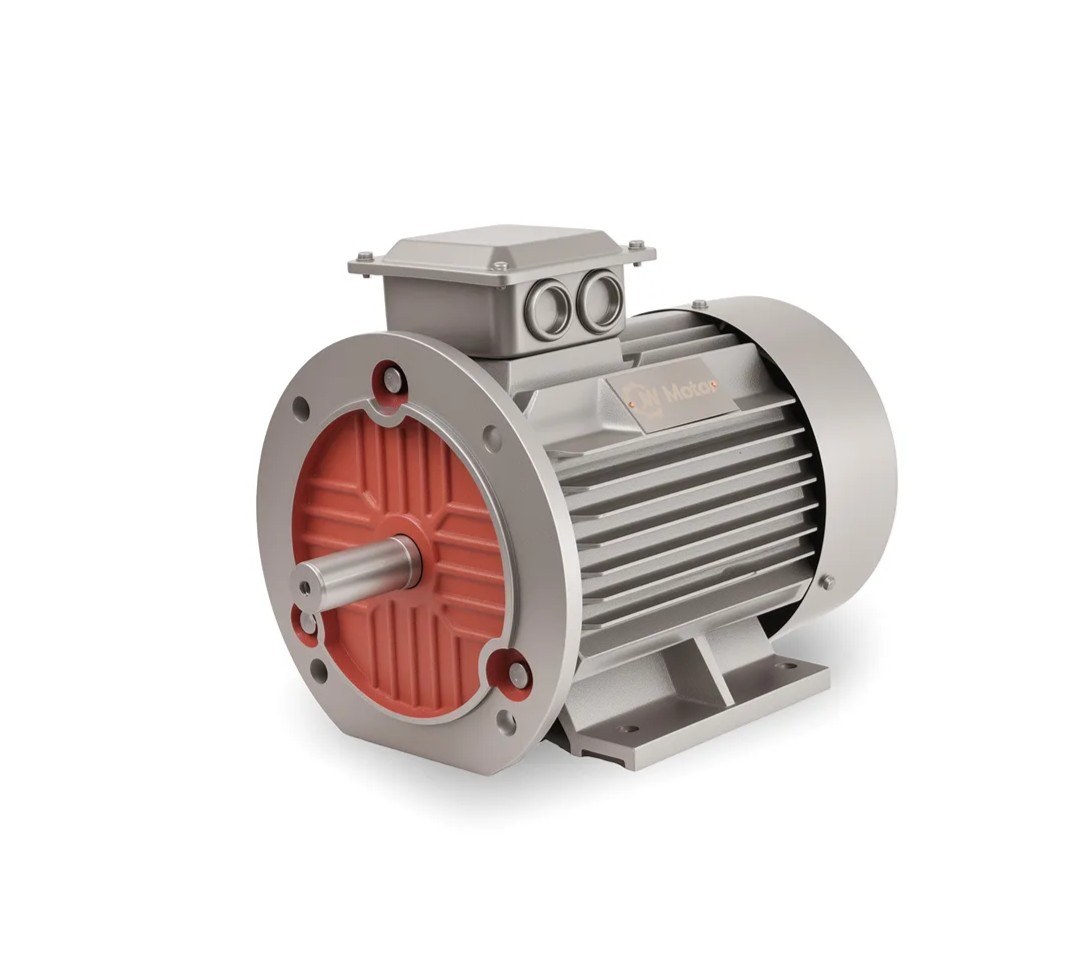
IE4 · IEC 60034-30-1
YE4
15–20% lower losses than IE3. Ventilation, grain and dry packaging. Check length and weight.
Pole change, VFD, brake
YD, YDT, YVF2 and YEJ. Each card opens the series page.
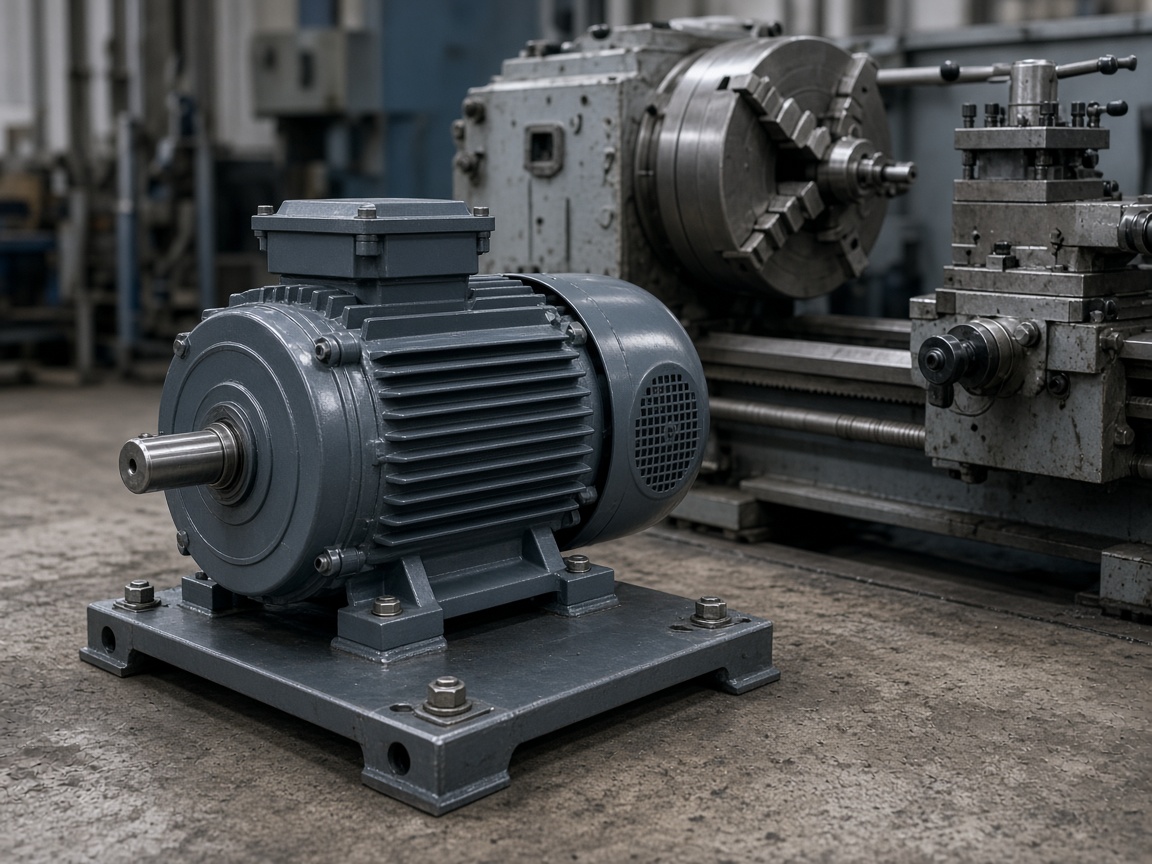
Pole-changing
YD
2 or 3 fixed speeds by changing poles. Machine tools, winches, drilling machines and lathes.
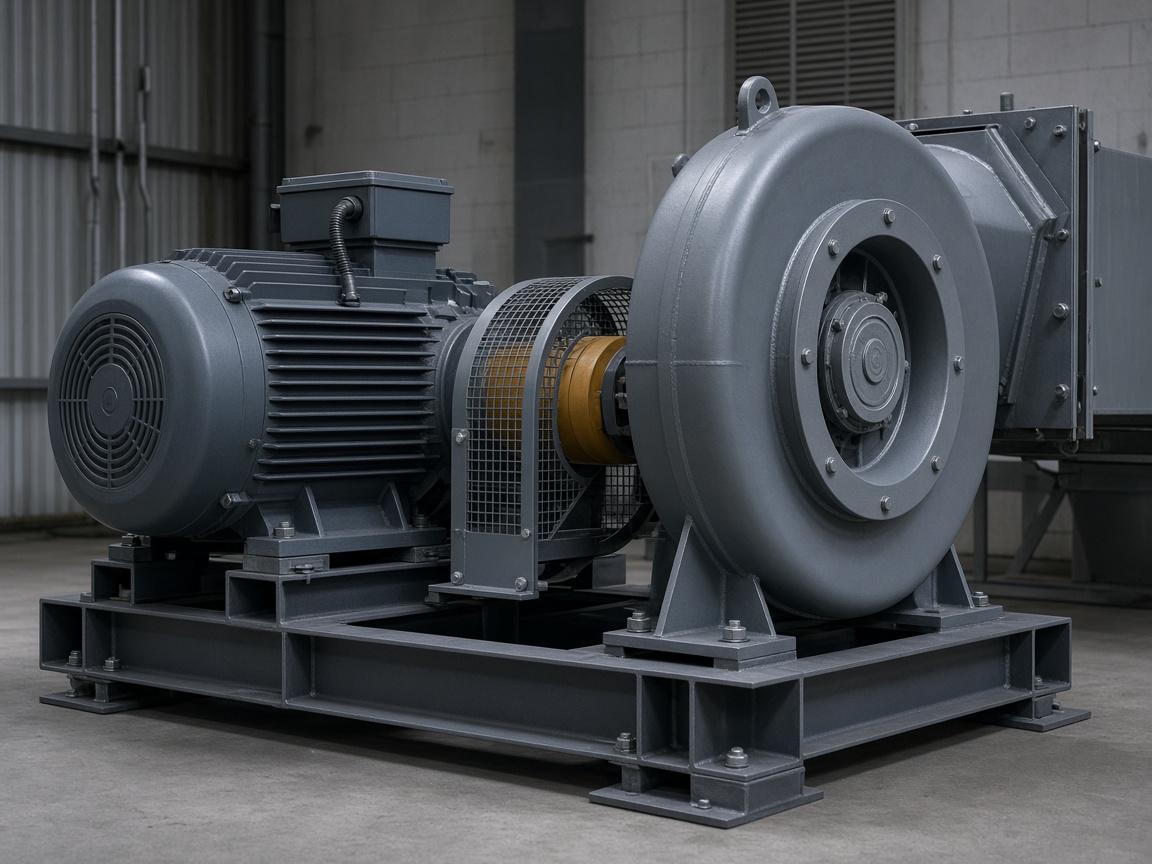
Variable torque
YDT
Fans and pumps. Torque follows the square of the speed. Copper windings and a reinforced rotor for high inertia.
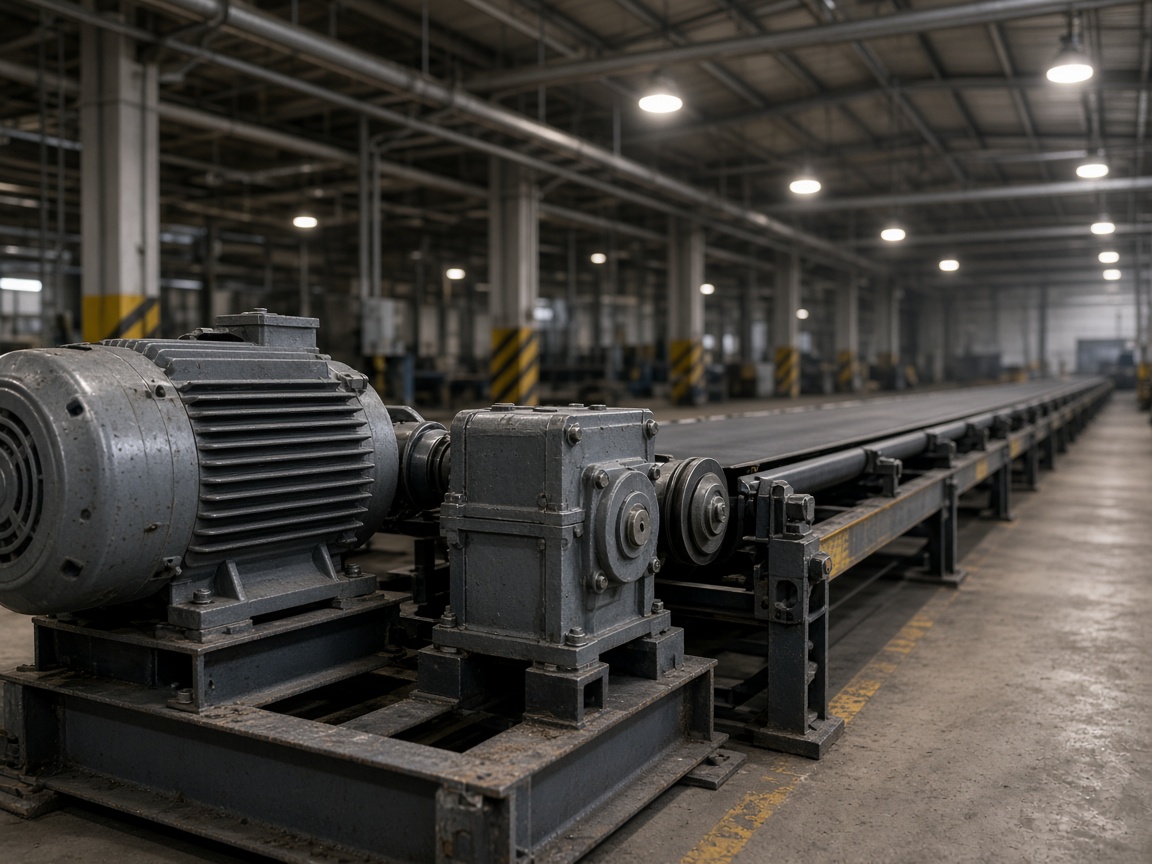
Inverter duty · IC416
YVF2
5 Hz to 100 Hz. Conveyors and hoisting at constant torque. Cutting and winding at constant power.
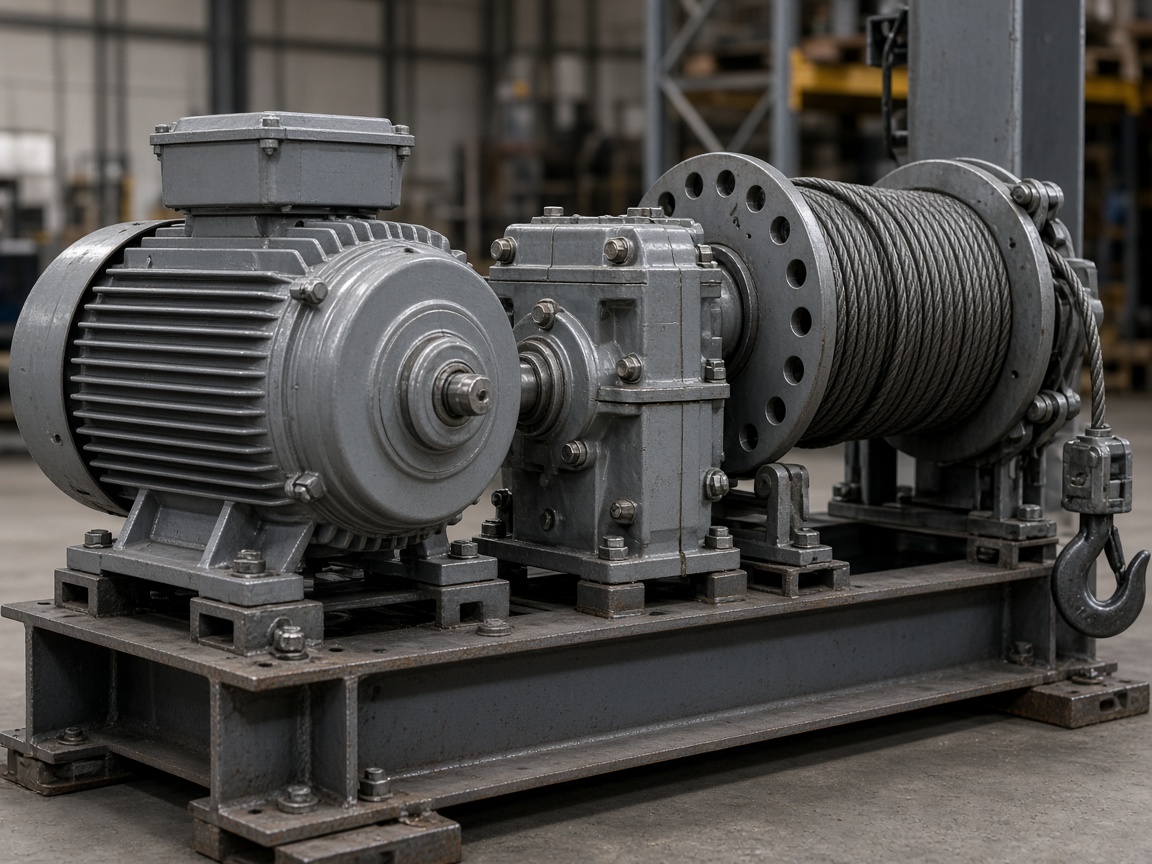
Power-off brake
YEJ
The spring locks the shaft when power drops. Hoists, elevators, packaging and stacker cranes.
Quote the duty first
Name the line, or name the job: continuous, pole-change, VFD, or brake. Mounting and the regional grid are on the customization page.
Request a quote- Continuous, pole-change, VFD, or brake
- kW, voltage, frequency
- Poles, or the speed steps
- Frame and mounting
Which line
What is an industrial motor here?
A three-phase motor for plant machinery. Y2, YE3 and YE4 cover continuous duty from IE2 to IE4. YD and YDT change poles for fixed speeds. YVF2 is built for a frequency converter. YEJ adds a power-off brake.
When is the line YD, YDT, or YVF2?
YD is for 2 or 3 fixed speeds, switched by contactors, including machine tools, winches, drilling machines and lathes. YDT matches centrifugal fans and pumps: on that page, halving speed drops power to about one eighth, and switching speeds can cut about 30% to 50% against a single-speed motor on a throttle. YVF2 covers 5 Hz to 100 Hz with IC416 cooling and Class H insulation, including S1 running at low speed on conveyors, extruders and automated lines. YE3 can also run from a frequency converter; cables over 50 m, or a voltage over 500 V, need a filter.
How does the YEJ brake behave when power drops?
The brake is power-off. Spring force locks the rotor, so a lifted load stays put. With the rectifier in the terminal box, braking is typically 0.15 to 0.45 seconds depending on frame size. A manual release handle frees the shaft during an outage or maintenance.
